What Microwave Power Rating Do I Need?
Choosing the right microwave power rating shapes how quickly and evenly your food cooks, and how much energy you use doing it. Whether you mostly reheat leftovers or cook full meals, this guide explains what the wattage means, compares the common power levels, and helps you pick the right one for your household.
What is microwave power rating?
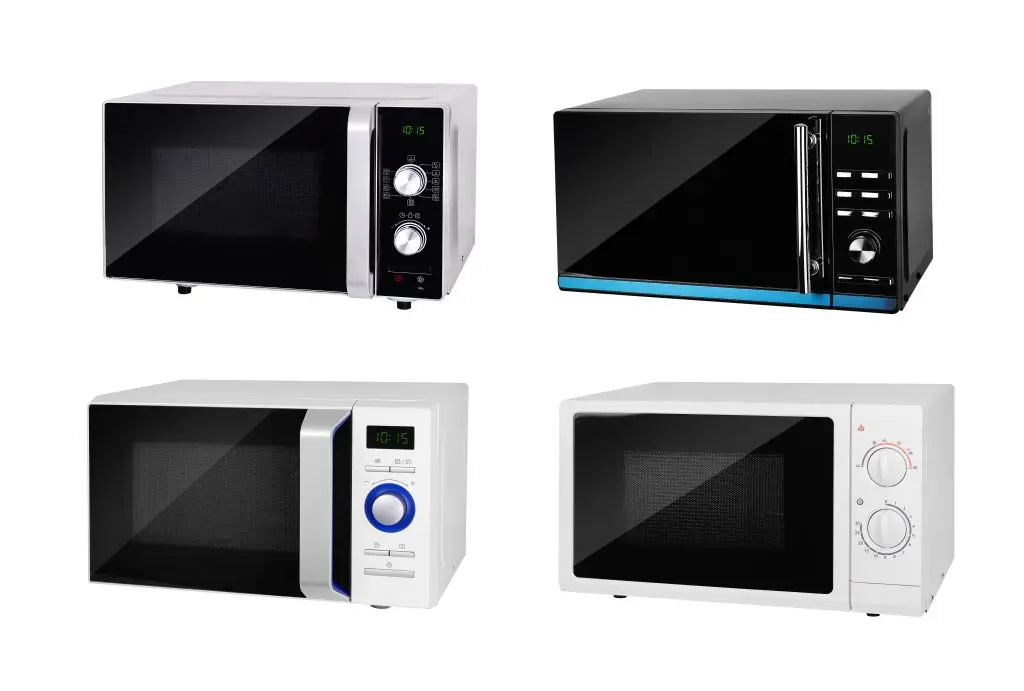
The microwave power rating is the amount of cooking power the appliance delivers, measured in watts. As a rule of thumb, the higher the wattage, the faster and more evenly your food heats. Most household microwaves sit between 600 and 1200 watts. A 1200W model can heat a ready meal in minutes, while a 700W model takes longer but draws less power while it runs.
One thing worth knowing: the figure that matters for cooking is the output power, not the higher input figure on the rating plate, which is the electricity the appliance draws from the wall.
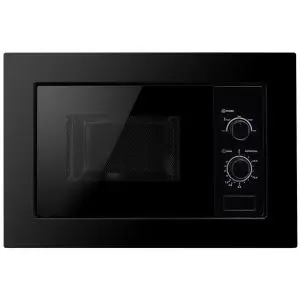
A 60cm, 20L built-in microwave in black glass, a neat fit for a fitted kitchen where you want everyday power without a countertop footprint.
View this microwaveMicrowave wattage comparison
Lower-wattage models are well suited to basic reheating, while higher-powered microwaves handle busy households and faster meal prep. Use the table below to weigh up the trade-offs.
| Wattage | Cooking speed | Best for | Trade-off |
|---|---|---|---|
| 600 to 700W | Slow | Reheating, small meals, occasional use | Longer cooking times |
| 800 to 900W | Moderate | General everyday household use | Larger meals take a little longer |
| 1000 to 1100W | Fast | Families, batch cooking, frozen meals | Uses more power per minute |
| 1200W and above | Very fast | Frequent heavy use, large households | Can overcook small portions |
How to choose the right power rating
A few simple questions point most people to the right wattage:
- Type of cooking. Mostly reheating leftovers, or cooking full meals from scratch?
- Household size. More people usually means more power is worthwhile.
- Size and budget. Compact models often come with lower wattage.
- Energy efficiency. Lower wattage draws less power, but takes longer to finish.
Once you know your wattage, our microwave wattage conversion chart makes it easy to adjust packet and recipe cooking times to suit your own model.
700W vs 1000W: which should you choose?
These two ratings cover most of the market, so it is the comparison people weigh up most often.
| Feature | 700W microwave | 1000W microwave |
|---|---|---|
| Cooking speed | Slower | Faster |
| Best for | Light use, reheating, student kitchens | Family meals, frozen dinners, regular cooking |
| Energy use | Lower per minute | Higher per minute, but quicker |
| Typical cost | Cheaper models | More premium options |
| Even cooking | Can be less even | More even heating |
Does higher wattage mean higher running costs?
Not necessarily. A higher-wattage microwave draws more power per minute, but it also cooks faster, so the total energy used can be similar. A meal that takes ten minutes in a 700W model might take around six minutes in a 1000W one. Either way, microwaves are one of the cheaper ways to heat food: the Energy Saving Trust notes they heat the food itself rather than the space around it, which is part of why they cost less to run than a conventional oven.
Final tips before you buy
- Check the wattage on the product label or specification sheet, looking for the output rather than the input figure.
- Balance speed against energy use based on how often you cook.
- Look for adjustable power levels for flexibility across different foods.
- Consider inverter technology for more even cooking and gentler defrosting.
Ready to compare models? Browse the CATA range of built-in microwaves to see wattages, capacities and features side by side.
Key takeaways
- Most household microwaves run from 600W to 1200W, and 800W to 1000W suits the majority of homes.
- Higher wattage cooks faster and more evenly; lower wattage is fine for reheating and small portions.
- The output wattage, not the higher input figure, is what affects cooking.
- Higher wattage does not necessarily cost more to run, since faster cooking offsets the extra power.
- Adjustable power levels and inverter technology add useful flexibility.
Frequently asked questions
For most homes, a microwave between 800W and 1000W offers a good balance of speed and efficiency.
Yes, for lighter tasks like reheating and small portions. It is well suited to occasional use, student flats or holiday homes.
Generally, yes. Higher wattage heats food more quickly and more evenly, which can improve both taste and texture.
Most modern microwaves offer variable power levels, so you can adjust the wattage to suit different cooking and defrosting tasks.
It uses more power per minute, but it also cooks faster, so the overall energy used can be similar to a lower-wattage model.
Most packaging is based on a microwave of at least 800W to 900W for the stated cooking times to be accurate.
Yes, though it can cook small items too quickly. Use the lower power settings for defrosting or heating small portions.