Integrated vs Freestanding Dishwashers – Which Is Right for You?
Choosing between an integrated and a freestanding dishwasher can be tricky. Both types offer clean dishes and convenience, but which one suits your kitchen and lifestyle better? In this guide, we’ll break down the differences, pros and cons, and help you make the best choice for your home.
What Is an Integrated Dishwasher?
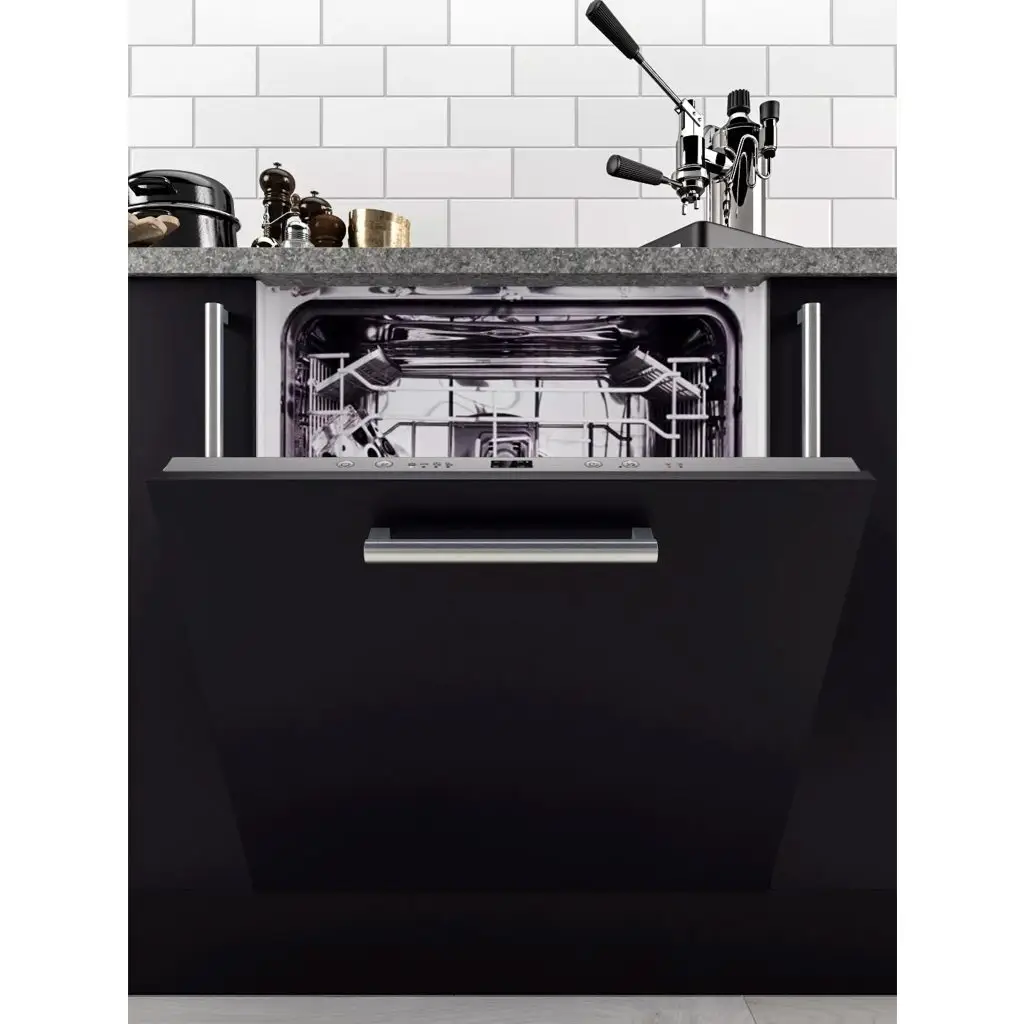
An integrated dishwasher is designed to blend into your kitchen units. It’s installed behind a cupboard door to create a sleek, built-in look. There are two types: fully integrated (with hidden controls) and semi-integrated (with a visible control panel).
- Discreet and flush with kitchen cabinetry
- Ideal for modern and minimalist designs
- Often quieter thanks to the extra cabinet insulation
What Is a Freestanding Dishwasher?
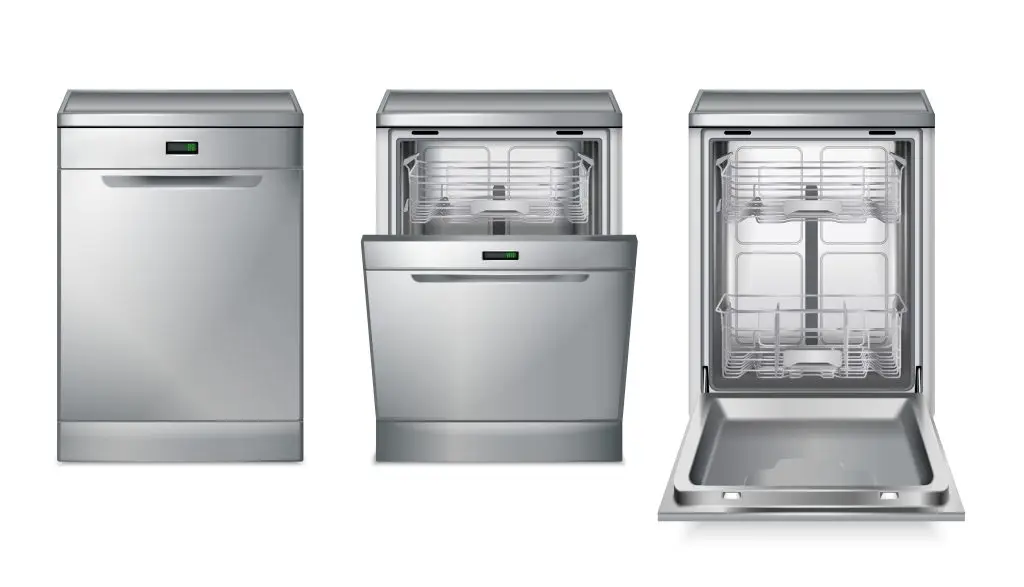
- Flexible placement options
- Easy to install and relocate
- Typically more budget-friendly
Integrated vs Freestanding Dishwashers: Comparison Table
Choosing between an integrated dishwasher and a freestanding dishwasher comes down to your kitchen style, budget, and how flexible you need your appliance to be. The table below highlights the key differences to help you quickly compare which option suits your home best.
| Feature | Integrated Dishwasher | Freestanding Dishwasher |
|---|---|---|
| Aesthetic Appeal | Hidden, seamless look | Visible, standalone design |
| Flexibility | Fixed position, built-in | Easy to move or replace |
| Installation | Needs a matching cabinet door | Plug-and-play setup |
| Noise Levels | Often quieter due to added insulation | Can be slightly louder |
| Price Range | Generally higher | More affordable options |
| Maintenance | Harder to access for repairs | Easy to access and service |
Integrated vs Freestanding Dishwashers
Both integrated and freestanding dishwashers have their advantages, depending on your kitchen layout, budget, and lifestyle. Here’s a more detailed breakdown to help you decide which type is right for you.
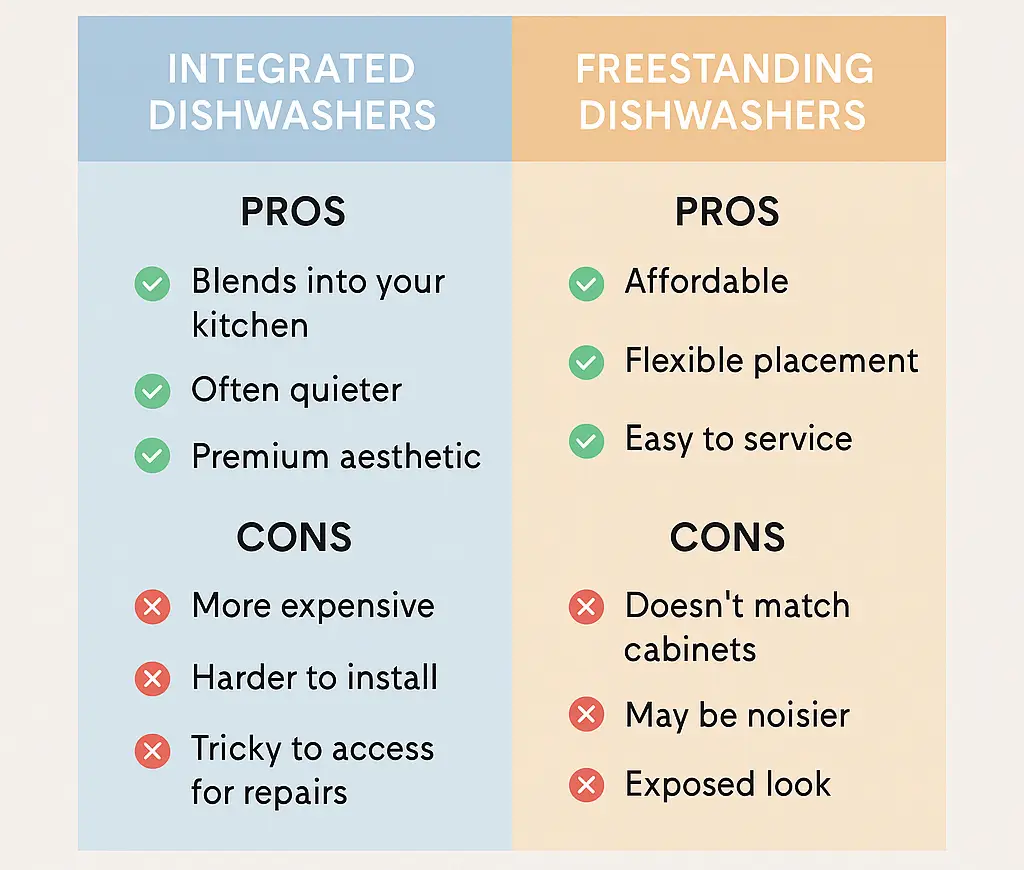
Integrated Dishwashers: Pros & Cons
- Seamless, built-in design that blends perfectly with your kitchen units
- Ideal for modern or minimalist kitchens where aesthetics matter
- Often quieter due to cabinet insulation reducing operational noise
- Helps maintain a consistent, uncluttered kitchen appearance
- Higher upfront cost, especially when factoring in installation
- Requires a matching cabinet door for proper integration
- Less flexible — fixed into your kitchen layout once installed
- More difficult to access for maintenance or repairs
Freestanding Dishwashers: Pros & Cons
- More affordable with a wide range of budget-friendly options
- Easy to install with simple plug-and-play setup
- Flexible placement — can be moved or replaced with minimal effort
- Easier to access for servicing, repairs, or upgrades
- Visible appliance that may not match your kitchen cabinetry
- Can look bulkier or less streamlined in modern kitchens
- May be slightly noisier without surrounding cabinet insulation
- Takes up more visual space, which can impact smaller kitchen designs
Which One Is Best for You?
Here’s a quick guide based on different needs and lifestyles – hover over each card to reveal the best option for you.
Frequently Asked Questions
Final Verdict: Which Dishwasher Is Right for You?
Both integrated and freestanding dishwashers offer efficient cleaning, but the right choice depends on your kitchen setup, lifestyle, and budget. If you want a seamless look and don’t mind the extra cost, go integrated. Prefer flexibility and affordability? Freestanding is the way to go.
Explore our full range of integrated dishwashers to find your perfect match.
Explore More Kitchen Advice & Buying Guides
Browse our latest articles covering appliance tips, energy-saving advice, and expert guidance – designed to help you choose, use, and get the most from your kitchen appliances.