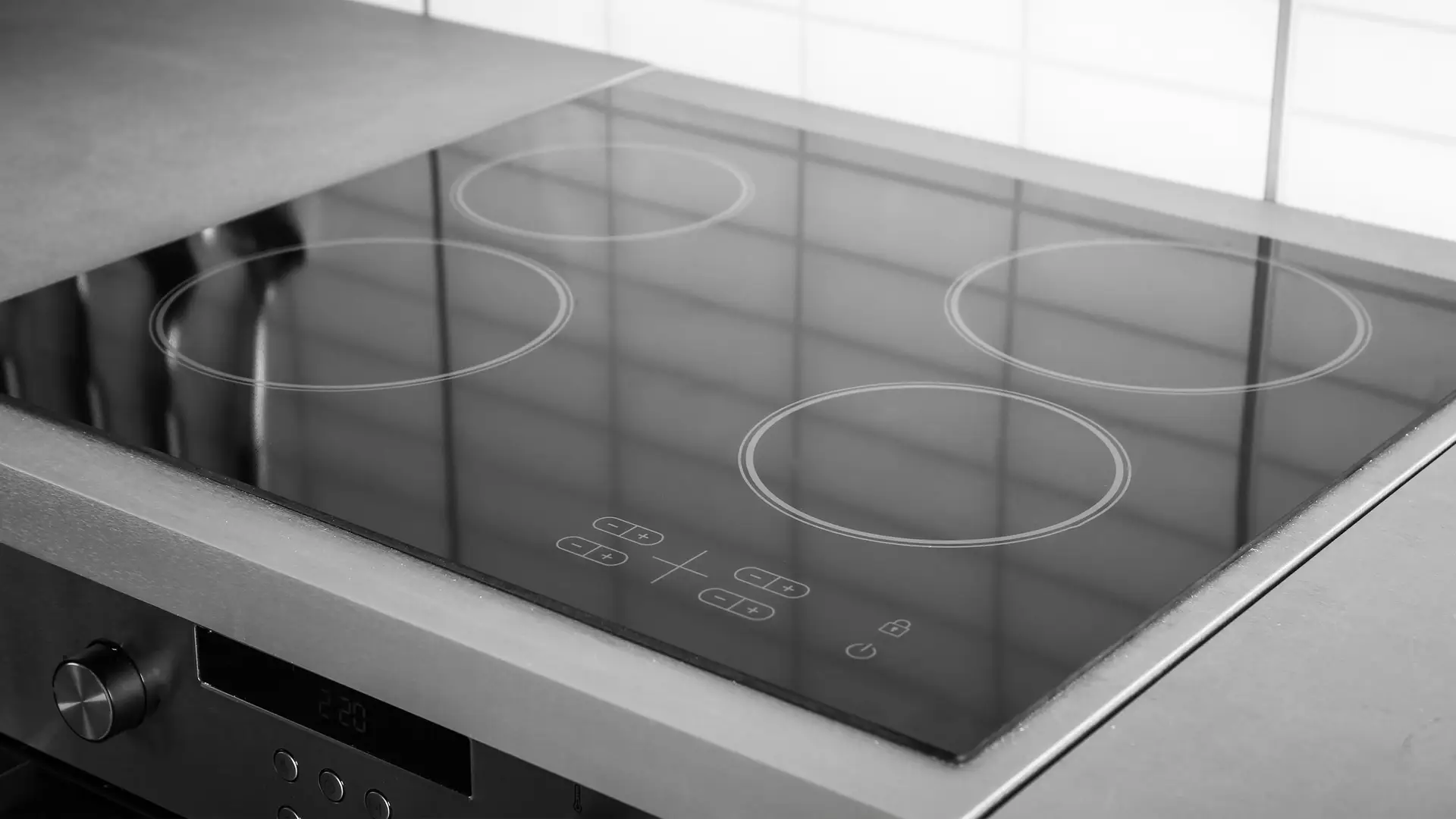
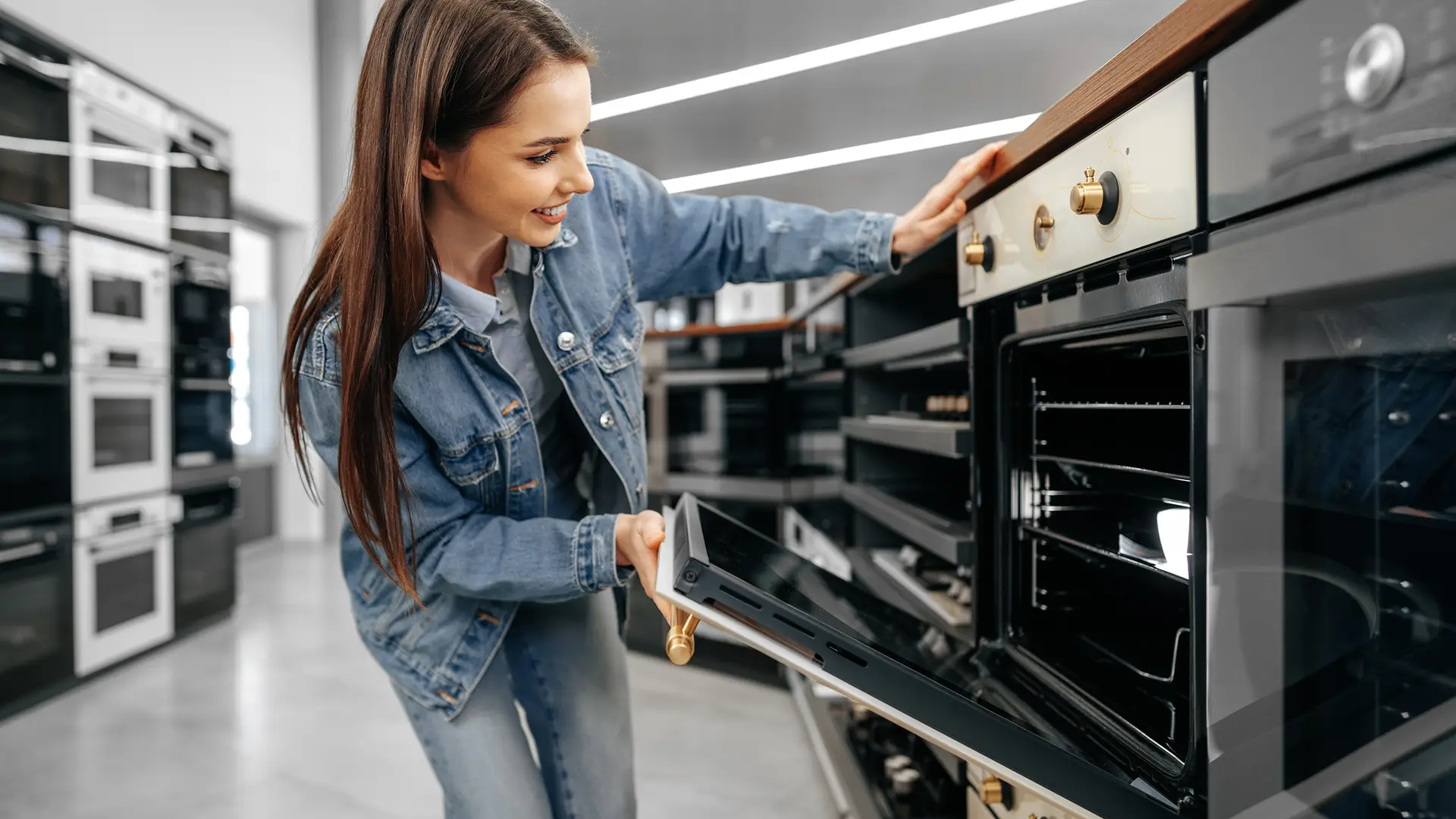
Yes — in most kitchens, you can safely install an oven directly beneath an induction hob, as long as both appliances are designed for built-in installation and proper ventilation is maintained. This layout is common in modern kitchens, helping to maximise space while keeping a clean, integrated look.
What You Need to Know
Both appliances must be built-in models rated for cabinet installation.
Ensure there’s enough
ventilation
Induction hobs need airflow underneath to cool internal components and prevent overheating.
between the oven top and hob base.
Check the manufacturer’s clearance requirements — some ovens may need a small air gap or cooling fan.
Install a solid divider panel if specified, to improve insulation and protect the hob.
Have a qualified electrician connect both appliances to ensure safe circuit loading.
When It Might Not Be Suitable
If your oven produces excessive heat and lacks a top cooling system.
In smaller cabinets with poor airflow or non-standard depth.
If the combined electrical load exceeds your kitchen’s circuit capacity.
💡 Quick fact
Most modern induction hobs are designed to be installed above built-in ovens — always check clearance guidelines.
Not always. Both the induction hob and oven must be designed for built-in installation and meet the manufacturer’s clearance and ventilation requirements.
Yes, most installations require a small air gap or space for ventilation to prevent overheating and ensure safe operation.
No, not if installed correctly. Modern induction hobs are designed with insulation and cooling systems to handle heat from below.
Yes, proper airflow is essential to cool internal components and maintain performance and safety.
It depends on the total electrical load. In many cases, separate circuits or a suitably rated connection are required—always consult a qualified electrician.
Some manufacturers recommend a divider panel for insulation and safety, so always check the installation guide for your specific model.
Yes, most modern built-in ovens are designed to be compatible with induction hobs when installed according to guidelines.
A standard base unit with a built-in oven below and an induction hob above is one of the most space-efficient and popular layouts in modern kitchens.