
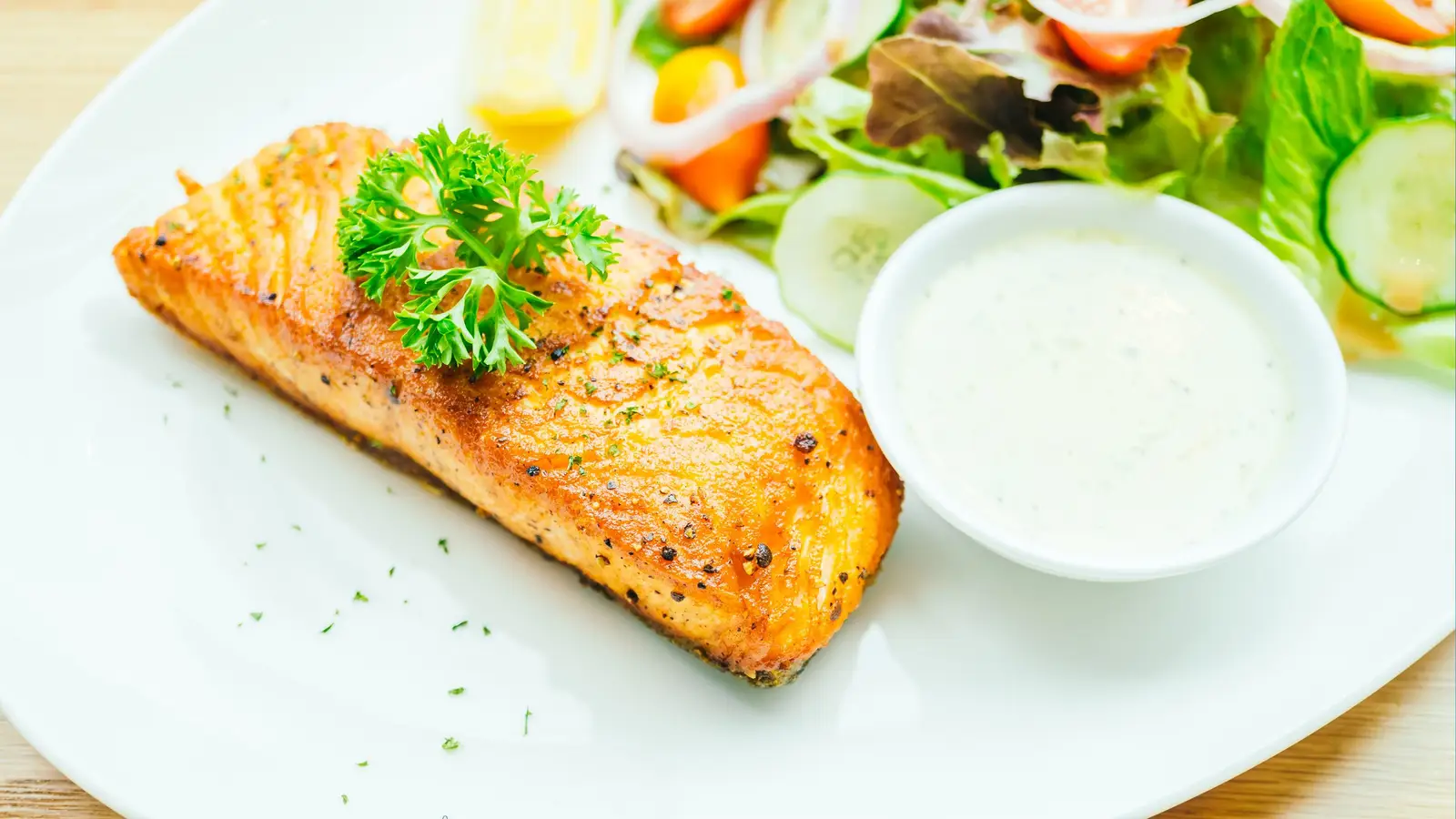
Induction Hob Recipe: How to Pan-Fry Salmon (Crispy Skin Guide)
Cooking salmon on an induction hob is one of the easiest ways to achieve perfectly crispy skin and tender, flaky fish. Thanks to precise temperature control and fast heating, induction cooking helps you avoid overcooking while locking in flavour.
In this guide, we’ll walk you through a simple step-by-step method to get restaurant-quality results at home.
Ingredients
- 2 salmon fillets (skin-on)
- 1 tbsp olive oil
- Salt and black pepper
- Optional: lemon wedges, garlic, fresh herbs
Best Pan for Induction Cooking
For the best results, use a flat-bottomed, induction-compatible pan such as stainless steel or cast iron.
Explore our range of induction hobs for precise cooking control.
Step-by-Step Method
Step 1: Prepare the Salmon
Pat the salmon dry with kitchen paper. Moisture is the enemy of crispy skin, so make sure it’s completely dry before cooking. Season generously with salt and pepper.
Step 2: Preheat the Pan
Place your pan on the induction hob and set it to a medium heat setting. Add olive oil and allow it to heat until shimmering (but not smoking).
Step 3: Place Salmon Skin-Side Down
Carefully place the salmon into the pan, skin-side down. Press gently with a spatula for 10–15 seconds to prevent curling.
Step 4: Cook Without Moving
Let the salmon cook undisturbed for 4–5 minutes. This allows the skin to crisp up properly.
Step 5: Flip and Finish
Turn the salmon over and cook for another 1–2 minutes, depending on thickness.
Step 6: Rest Before Serving
Remove from heat and let it rest for a minute before serving. This helps retain juices and improves texture.
Cooking Time Guide
| Salmon Thickness | Skin-Side Cooking Time | Flip Side Time |
|---|---|---|
| 2 cm | 4 minutes | 1 minute |
| 3 cm | 5 minutes | 1–2 minutes |
| 4 cm | 6 minutes | 2 minutes |
Common Mistakes to Avoid
- Starting with a cold pan
- Moving the salmon too early
- Using too much oil
- Cooking on heat that’s too high
Why Use an Induction Hob for Salmon?
- Precise temperature control prevents overcooking
- Fast heat-up time reduces cooking time
- Even heat distribution for consistent crisping
Recommended Induction Hobs
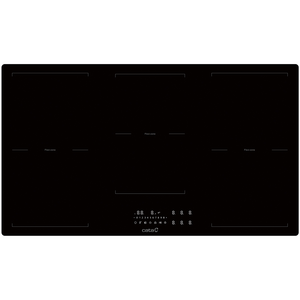
CATIND90HF
CATA 700 – 90cm 6 Zone Flex Induction Hob with a sleek black glass finish and flexible cooking zones.
View Product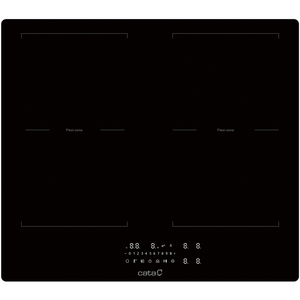
CATINDE60HF
CATA 700 – 60cm 4 Zone 13A Plug In Flex Zone Induction Hob designed for flexible everyday cooking.
View Product- All Posts
- Cooker Hood Guides & Advice
- Dishwasher Guides & Advice
- General Appliance Guides & Advice
- Hob Guides & Advice
- Laundry Guides & Advice
- Microwave Guides & Advice
- Oven Guides & Advice
- Wine Cooler Guides & Advice

Find out why your dishwasher isn’t drying properly. Learn common causes, easy fixes, and maintenance tips to restore perfect drying...
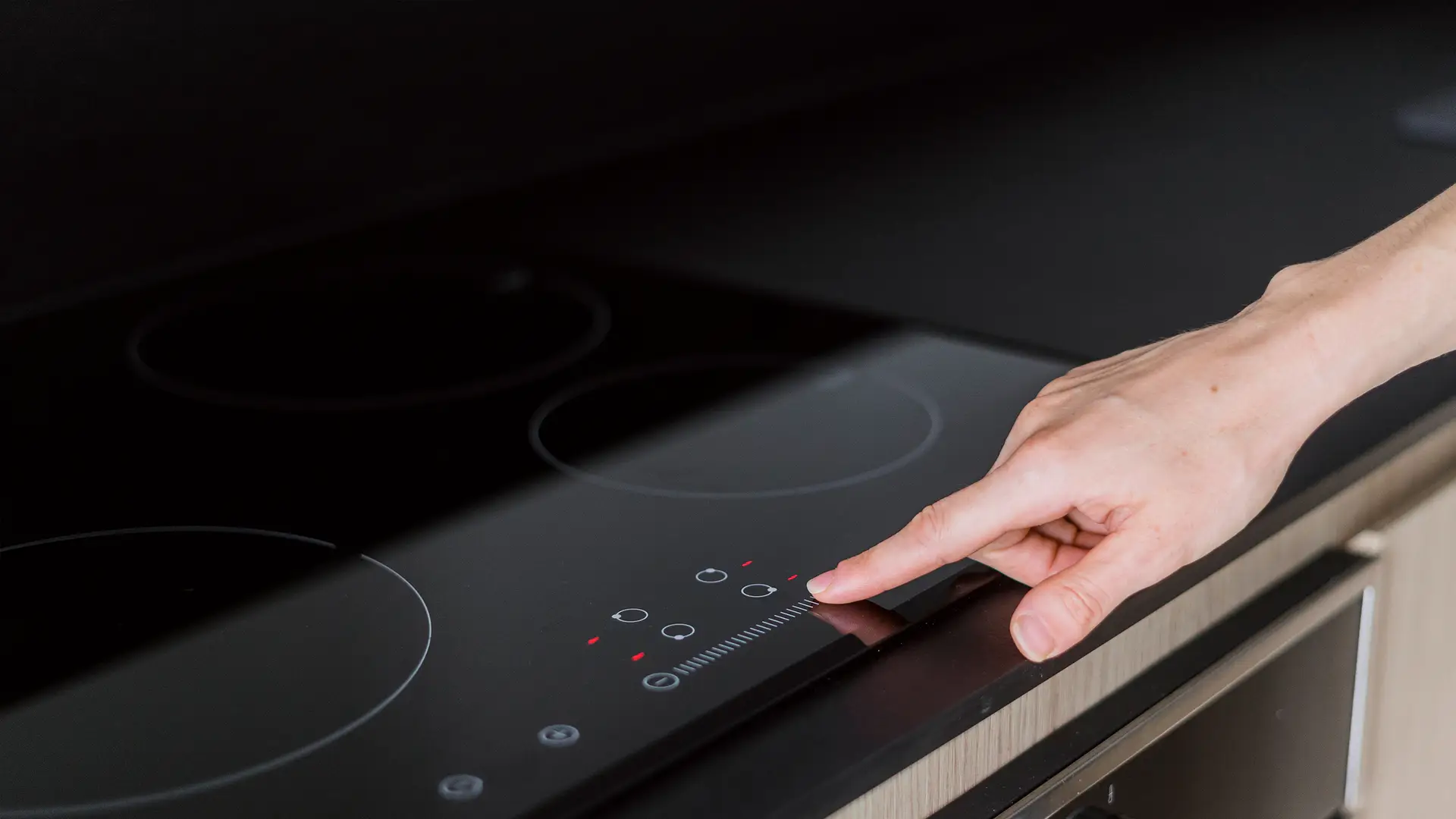
Discover the different types of induction hobs, their features and benefits. Compare options to find the perfect hob for your...
Is your oven slow to preheat? Discover common causes like faulty elements or poor seals and learn quick fixes to...