Real-World Running Costs: Oven vs Air Fryer vs Microwave
The microwave is the cheapest appliance to run for everyday reheating and small meals. The air fryer sits in the middle — considerably cheaper than a full oven for smaller portions. The oven makes economic sense when cooking large quantities or multiple dishes simultaneously. Knowing which to reach for on any given day can meaningfully reduce your kitchen energy bill without changing what you eat.
Power and Cost Per Hour
The most important variable in running cost is not just wattage but cooking time. A microwave uses less power and cooks faster — both factors reduce the total energy consumed. An oven uses more power and typically needs a 10 to 15 minute preheat before food even goes in. The figures below show typical wattage ranges and the cost of running each appliance for a full hour at 25p per kWh.
Cost per hour of continuous use (at 25p per kWh)
Per-hour cost assumes continuous use. In practice, actual meal costs depend on cooking time — a microwave used for 5 minutes costs far less than an oven used for 40 minutes, even though the oven’s wattage is only around three times higher.
Meal-by-Meal Cost Comparison
These are the meals most UK households cook regularly, with real-world cooking times and approximate costs for each appliance. Costs include preheat time for the oven where applicable. All figures assume 25p per kWh.
| Meal | Microwave | Air fryer | Fan oven |
|---|---|---|---|
| Reheating leftovers | ~2pBest 3–4 min | 5–7p 6–8 min | 20–25p 10 min preheat + 10 min cook |
| Jacket potato (medium) | 4–5pBest 8–10 min | 28–32p 35–40 min | 70–85p 60–70 min total |
| Chicken breast (single) | 4–5pBest 8–10 min on steam setting | 12–14p 15–18 min | 30–35p 20–25 min + preheat |
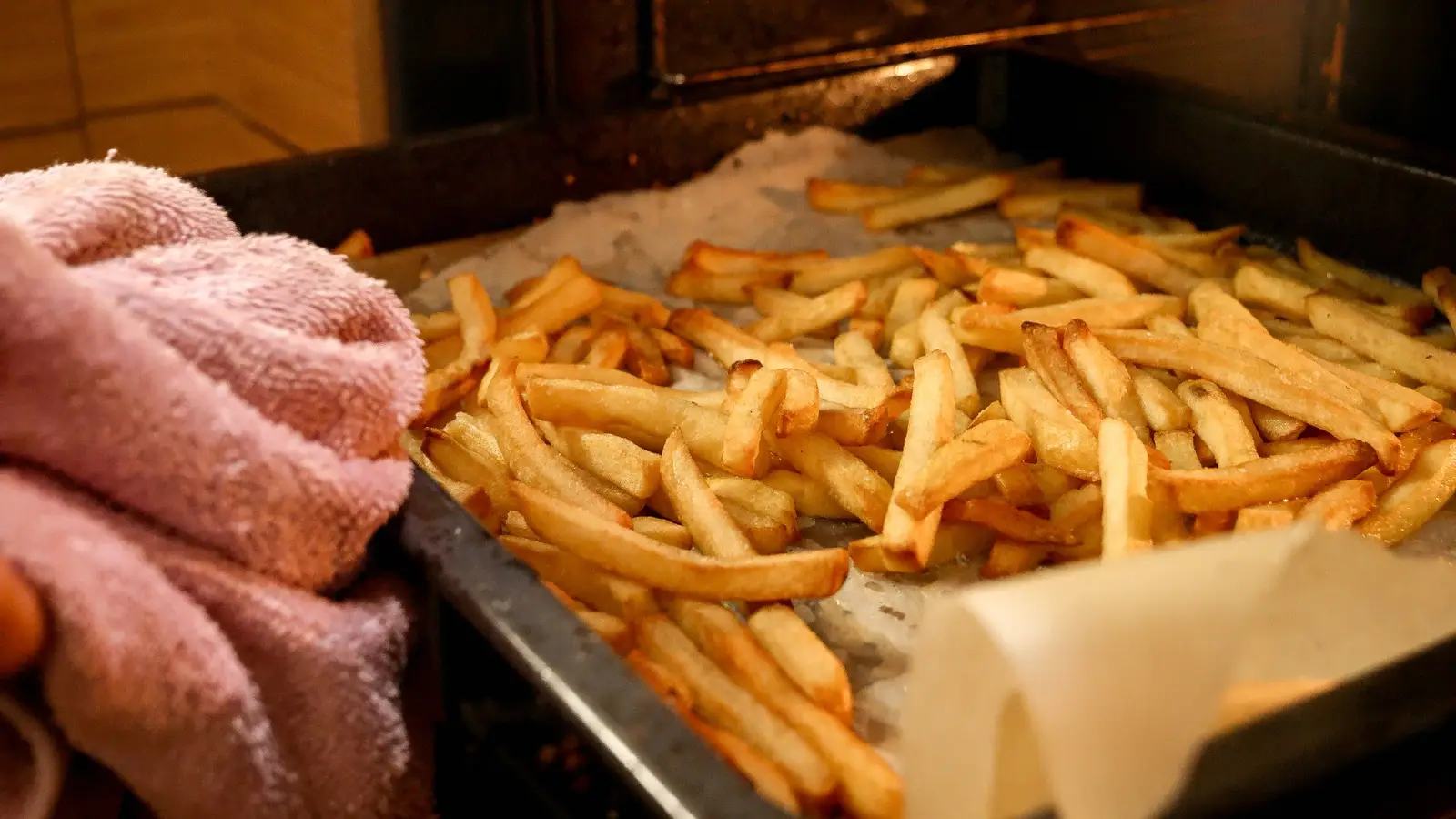
| Frozen chips (1 portion) | Not suitable | 10–12pBest 12–15 min, no preheat | 45–55p 20 min preheat + 20 min cook |
| Roast chicken (1.5kg) | Not suitable | Not suitable | 90–110pOnly option 80–90 min total |
| Batch of biscuits (2 trays) | Not suitable | Not suitable (capacity) | 35–45pOnly option 12 min preheat + 15 min cook |
| Defrosting (500g) | 2–3pBest 6–8 min on defrost setting | Not recommended | Not recommended |
| Sausages (4, from chilled) | Not suitable | 10–13pBest 12–15 min | 35–45p 10 min preheat + 25 min cook |
Annual Running Cost Perspective
The daily savings from choosing the right appliance accumulate into meaningful amounts over a year. These estimates assume a typical household cooking once or twice daily using a mix of tasks suited to each appliance.
Microwave
For reheating, defrosting, and quick cooking. Lowest-cost appliance in the kitchen for tasks it suits.
Air fryer
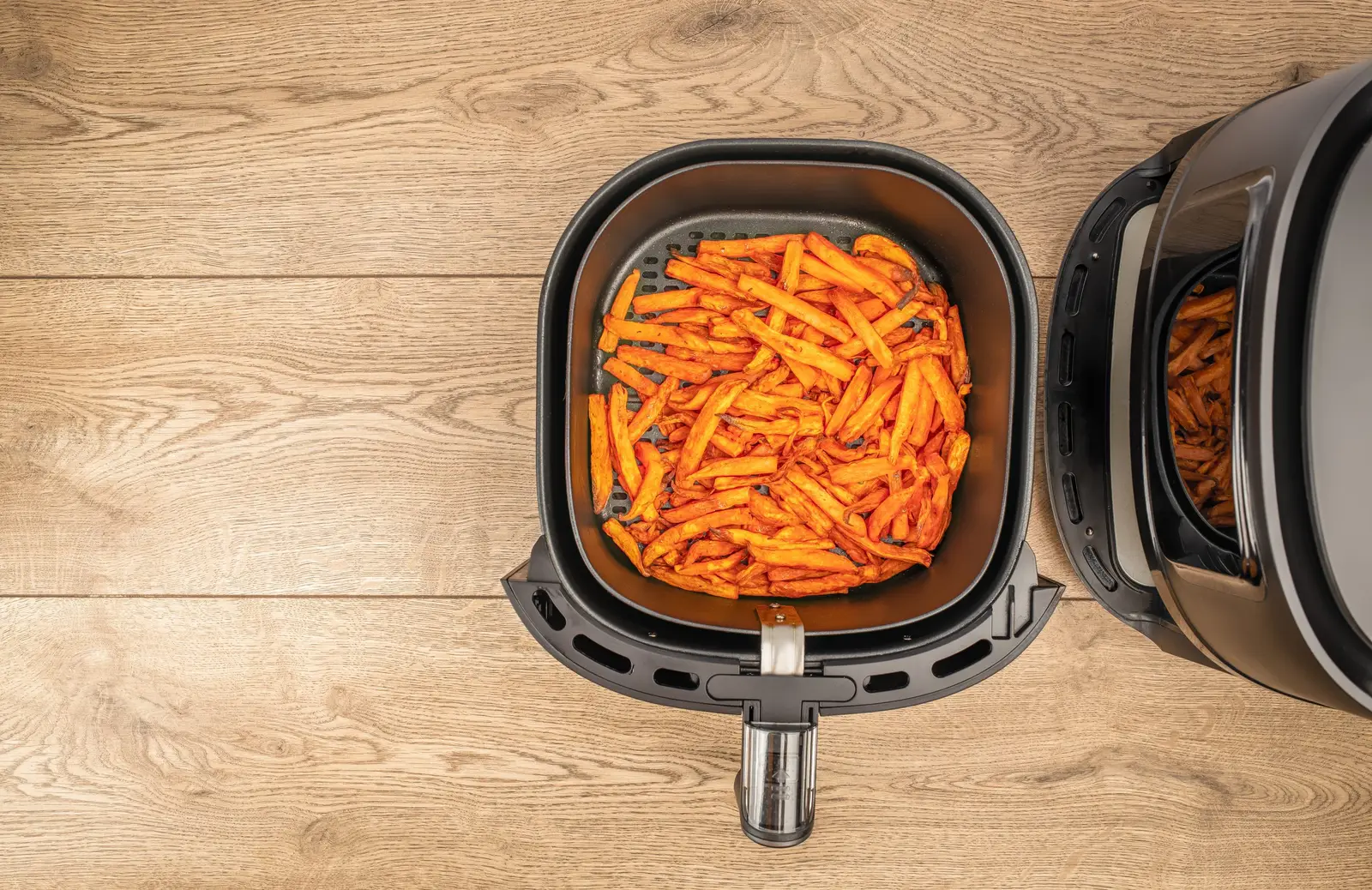
For everyday cooking — chips, chicken, sausages, vegetables. Replaces many oven sessions at a fraction of the cost.
Fan oven
For full meals, batch cooking, and baking. Higher cost justified when cooking for multiple people or large quantities.
A household that currently uses the oven for all reheating, single-portion chips, and jacket potatoes could reduce the annual cost of those specific tasks from roughly £120 to £150 to under £30 by switching to the microwave or air fryer for those meals — without changing the oven’s use for the tasks it does best.
When to Use Which Appliance
Use for
- Reheating any leftovers or pre-cooked food
- Defrosting meat, fish, or bread
- Jacket potatoes (fastest and cheapest)
- Steaming vegetables
- Warming soups and sauces
- Melting butter or chocolate
Use for
- Frozen chips, wedges, and breaded foods
- Sausages, burgers, and meat portions
- Reheating pizza and pastry to crisp results
- Chicken pieces and fish fillets
- Roasted vegetables
- Small batch of baked goods
Use for
- Whole roasts and large joints of meat
- Batch baking — multiple trays simultaneously
- Large casseroles and traybakes
- Dishes that need even, sustained heat on multiple shelves
- Bread and pastry requiring a full-size oven environment
- Any recipe specifying a full oven temperature and time
For a closer look at oven energy efficiency and how cooking modes affect running costs, the guide to true fan vs fan-assisted baking covers how mode selection affects both results and energy use. Browse CATA’s single oven range and built-in microwave range for energy-efficient models across both categories.
Common questions answered
Is an air fryer really cheaper to run than an oven?
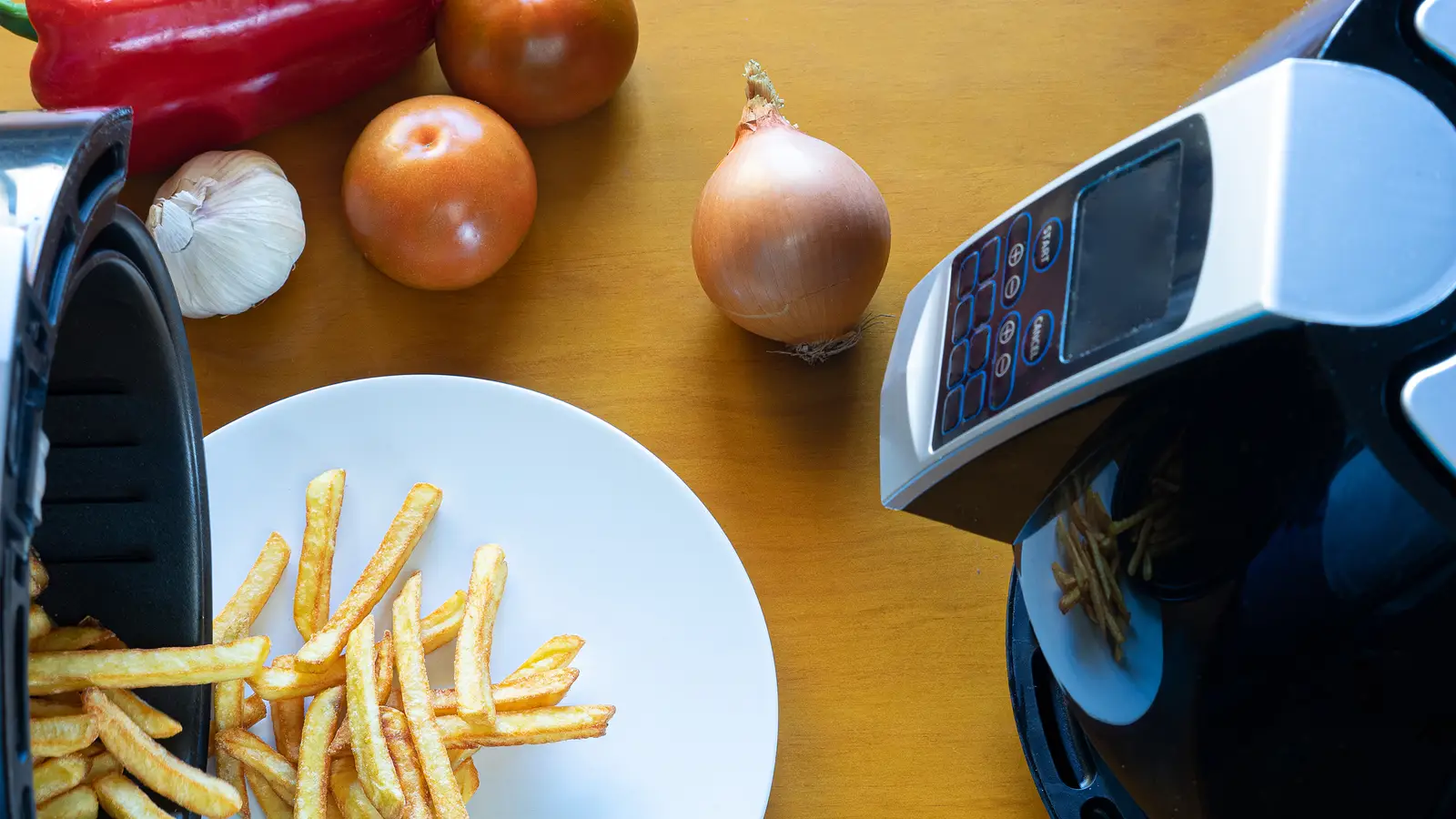
For single portions and smaller meals, yes — significantly so. The air fryer’s main advantages are lower wattage and no preheat time. A portion of chips costs 10 to 12p in an air fryer versus 45 to 55p in a full oven. For larger quantities or multiple dishes simultaneously, the oven’s cost per portion becomes comparable or better.
Should I switch off the oven for everyday meals?
For meals that a microwave or air fryer can cook adequately, yes — the energy saving is real. The oven’s running cost is dominated by preheat: the 10 to 15 minutes heating an empty cavity to temperature before food even goes in represents a significant portion of the total energy consumed for short cooking tasks.
Does the oven become more cost-effective for larger meals?
Yes. The oven’s cost per portion drops as the load increases. A roast chicken feeding four people costs roughly 90p to 110p in total energy — around 23 to 28p per person. An air fryer cannot replicate a full roast, so for large-format cooking the oven is both the only practical option and genuinely cost-effective on a per-serving basis.
How much can I save annually by using the right appliance?
A household that switches reheating, jacket potatoes, and single-portion chips from oven to microwave or air fryer could realistically save £80 to £120 per year in energy costs for those specific tasks alone. The exact saving depends on current usage frequency and which tasks are switched — households that use the oven heavily for quick, small tasks stand to save the most.