Home » Hob Guides & Advice » Why Hobs Don’t Have Energy Labels
Why Hobs Don’t Have Energy Labels in the UK
Hobs are excluded from energy labelling requirements because their energy consumption cannot be measured consistently enough to produce a meaningful, comparable figure. The energy a hob uses depends almost entirely on how it is used — what food is being cooked, for how long, at what setting, and in what pan. Unlike a fridge or washing machine, there is no standardised operating cycle that produces a repeatable result across different kitchens and cooking habits.
Why standardised testing works for some appliances but not hobs
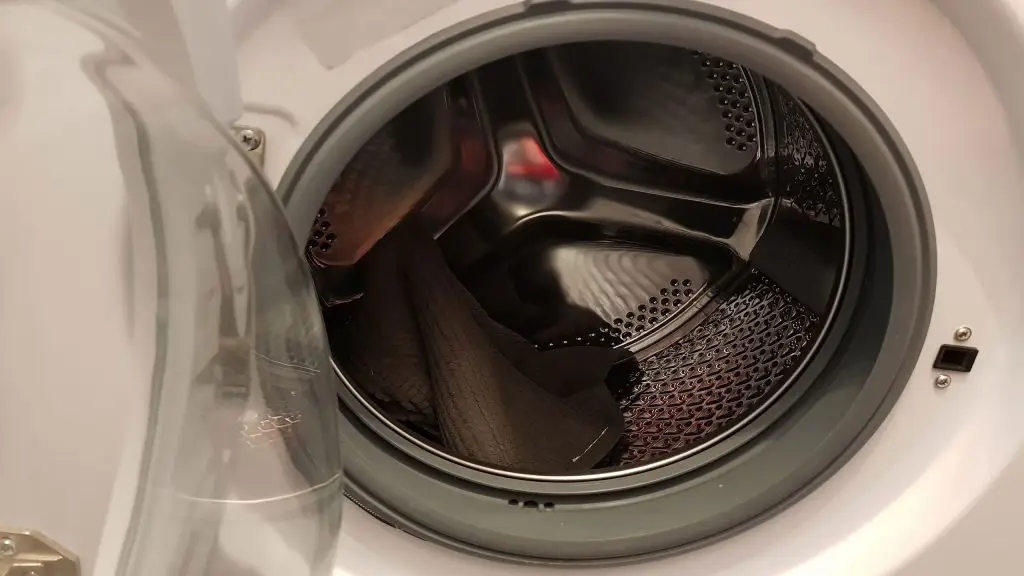
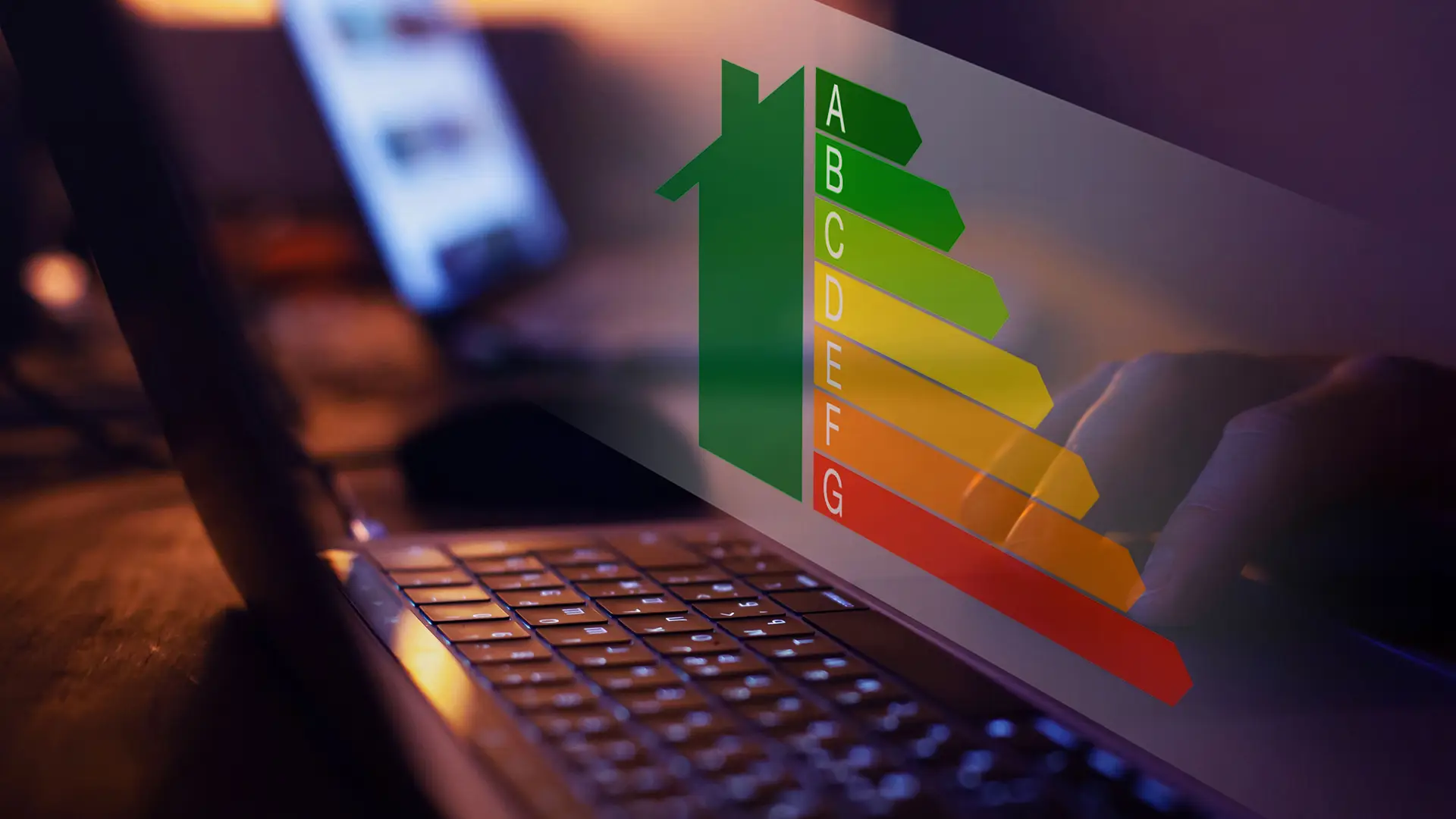
The UK and EU energy labelling system — the coloured A to G scale familiar from fridge and washing machine listings — works because certain appliances have predictable, measurable operating cycles. A fridge runs continuously at a target temperature in an insulated box. A washing machine runs a standardised cotton cycle at a specified temperature with a specified load. A dishwasher runs a standardised eco cycle with a full load. In each case, the conditions are controlled enough that two models of different efficiency genuinely produce different measured results under the same test.
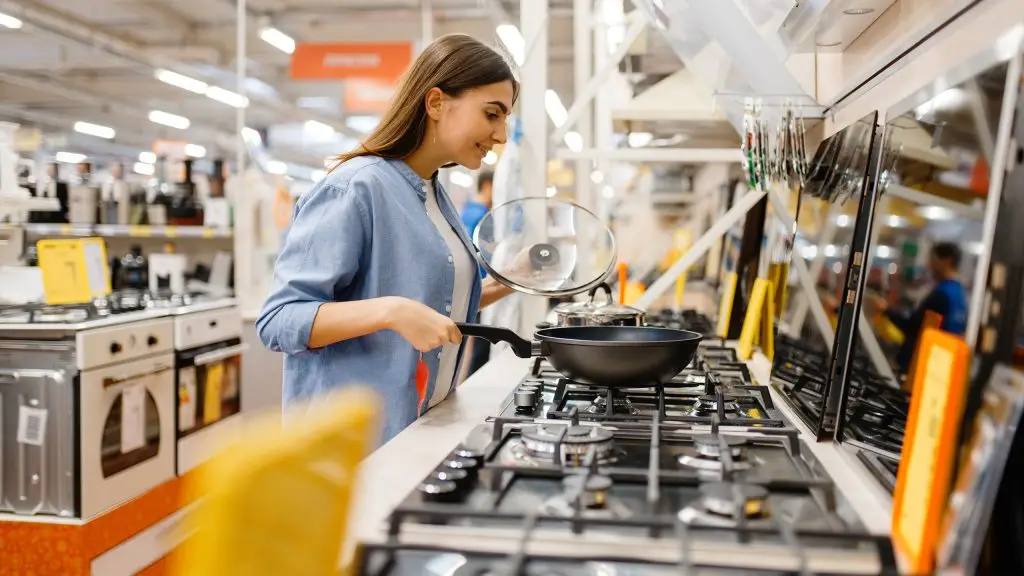
A hob has no equivalent operating cycle. A pot of water brought to the boil for pasta takes more energy than a sauce simmered for the same period of time. A heavy cast iron pan on an induction hob transfers heat differently from a thin aluminium pan on a ceramic hob. A household that cooks on high heat for 10 minutes uses a completely different amount of energy from one that cooks on medium heat for 30 minutes. There is no single test scenario that represents how hobs are actually used, so any figure derived from such a test would have little real-world relevance.
Which appliances do have energy labels, and why
| Appliance | Has energy label? | Why the label works (or doesn’t) |
|---|---|---|
| Fridge / fridge freezer | Yes | Continuous operation at a target temperature — consistent, measurable, predictable. |
| Washing machine | Yes | Standardised cotton cycle at 60°C with a defined load — results are directly comparable. |
| Dishwasher | Yes | Standardised eco programme with a full load of defined soil level — controlled conditions. |
| Oven | Yes | Enclosed cavity heated to a target temperature — heat retention and element efficiency are measurable. |
| Cooker hood | Yes | Fan efficiency at specified airflow rates can be tested — motor and energy use are measurable per m³/h. |
| Hob (all types) | No | Energy use depends on cookware, food type, cooking duration, and power setting — no standardised test applies. |
Does this mean all hobs are equally efficient?
Not at all — and this is where the absence of a label can mislead buyers into thinking the choice does not matter. The differences in real-world efficiency between hob types are substantial, even if they cannot be expressed as a single standardised rating.
Induction hobs heat the pan directly using an electromagnetic field. No energy is wasted heating the air around the pan, the glass surface, or the surrounding area. The conversion of electrical energy to heat inside the pan is approximately 85 to 90 percent efficient. Gas hobs, by contrast, direct around 40 to 55 percent of the combustion energy into the pan — the rest heats the surrounding air, the hob frame, and the kitchen. Ceramic hobs sit between the two, with efficiency of around 55 to 65 percent, but with the additional inefficiency of heat stored in the glass surface being wasted when the pan is removed.
In practical terms, induction cooks the same meal faster with less energy than gas or ceramic. The absence of a formal label does not make this difference less real — it just means buyers have to find this information through product descriptions and technical specifications rather than a standardised label.
What to look for instead of an energy label
Without a formal rating, these are the most useful proxies for hob energy efficiency when comparing models.
Hob type
Induction is the most energy-efficient type available. If reducing energy consumption is a priority, the choice of induction over ceramic or gas is the single most impactful decision — far more significant than any differences between individual induction models.
Boost zone power and response
A hob that reaches cooking temperature quickly wastes less energy in the heat-up phase. Boost mode wattage and the speed at which it responds to power reductions both affect how much energy is consumed during a typical cooking session.
Zone count and zone sizing
Using a large zone for a small pan wastes energy — the coil area not covered by the pan still draws current on some models. A hob with well-chosen zone sizes, or with flex zones that adapt to pan size, uses energy more efficiently than one where pan-to-zone mismatch is common.
Auto power management
Hobs with intelligent power sharing across multiple zones prevent unnecessary maximum-draw situations when several zones are running simultaneously. This can meaningfully reduce total energy consumption during complex meal preparation.
Will hobs get energy labels in the future?
Possibly — but the measurement challenge has not been solved. Both the UK and the EU have looked at hob labelling at various points, and the consistent conclusion has been that the variability of real-world use makes any standardised test figure too unreliable to be meaningful for consumers. If a testing methodology is developed that can account for cookware variation and cooking behaviour in a reproducible way, labelling may follow. Until then, hobs remain outside the energy label framework.
For practical guidance on hob energy efficiency in use, the guide to which hob should I buy covers the efficiency differences between induction, ceramic, and gas in detail. The CATA induction hob range includes models with power management and flex zone capability that reduce energy use in everyday cooking.
Common questions answered
Is it worth buying an induction hob for energy savings even without a label?
Yes. The efficiency advantage of induction over gas and ceramic is well documented and meaningful in everyday use — approximately 85 to 90 percent of energy goes into the pan versus 40 to 55 percent for gas. This translates to lower energy bills, faster cooking, and less waste heat in the kitchen. The absence of a formal label does not diminish the real-world difference.
Do ovens have energy labels but hobs don’t — how is that consistent?
Ovens have an enclosed, insulated cavity that can be heated to a target temperature and measured in terms of how much energy that takes and how well the insulation retains it. These are fixed, testable conditions. A hob is an open cooking surface whose energy use depends entirely on what is placed on it and how it is used — no comparable test exists.
How do I compare hob energy efficiency without a label?
Focus on hob type first — induction is categorically more efficient than ceramic or gas. Within induction models, look at power management features, zone sizing relative to typical cookware, and how efficiently the hob responds to power level changes. Manufacturer specifications on wattage per zone and total maximum draw give some basis for comparison.
Can I trust claims about induction hob energy efficiency?
The physical basis for induction’s efficiency advantage is well established — it is a consequence of how electromagnetic induction works rather than a marketing claim. The specific figures (85–90% efficiency for induction vs 40–55% for gas) come from heat transfer measurements and are consistent across independent academic and industry sources. The absence of a formal label does not mean the underlying efficiency difference is disputed.
Explore More Kitchen Advice & Buying Guides
Browse our latest articles covering appliance tips, energy-saving advice, and expert guidance – designed to help you choose, use, and get the most from your kitchen appliances.