Can I Use My Wine Cooler for Other Drinks?
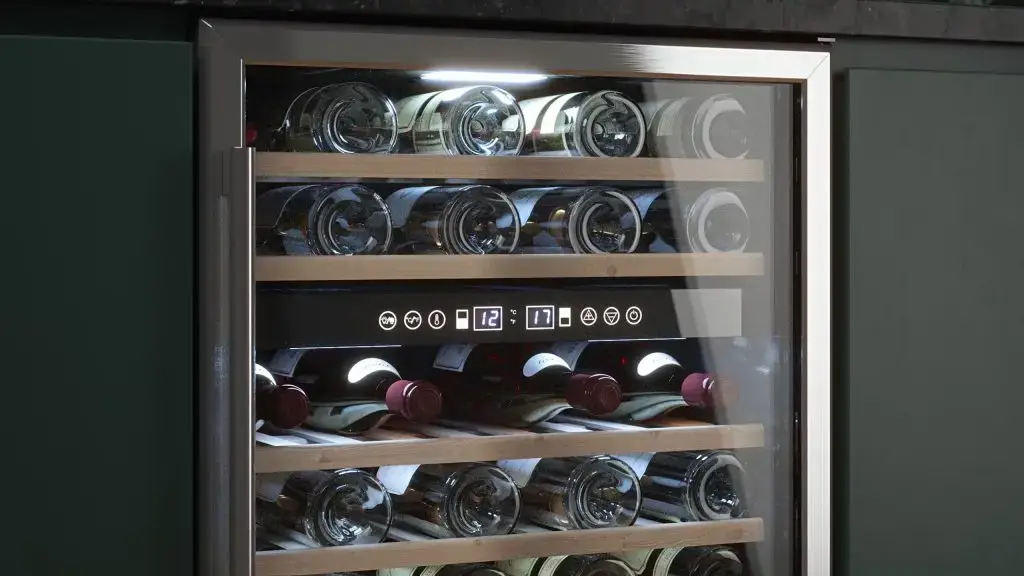
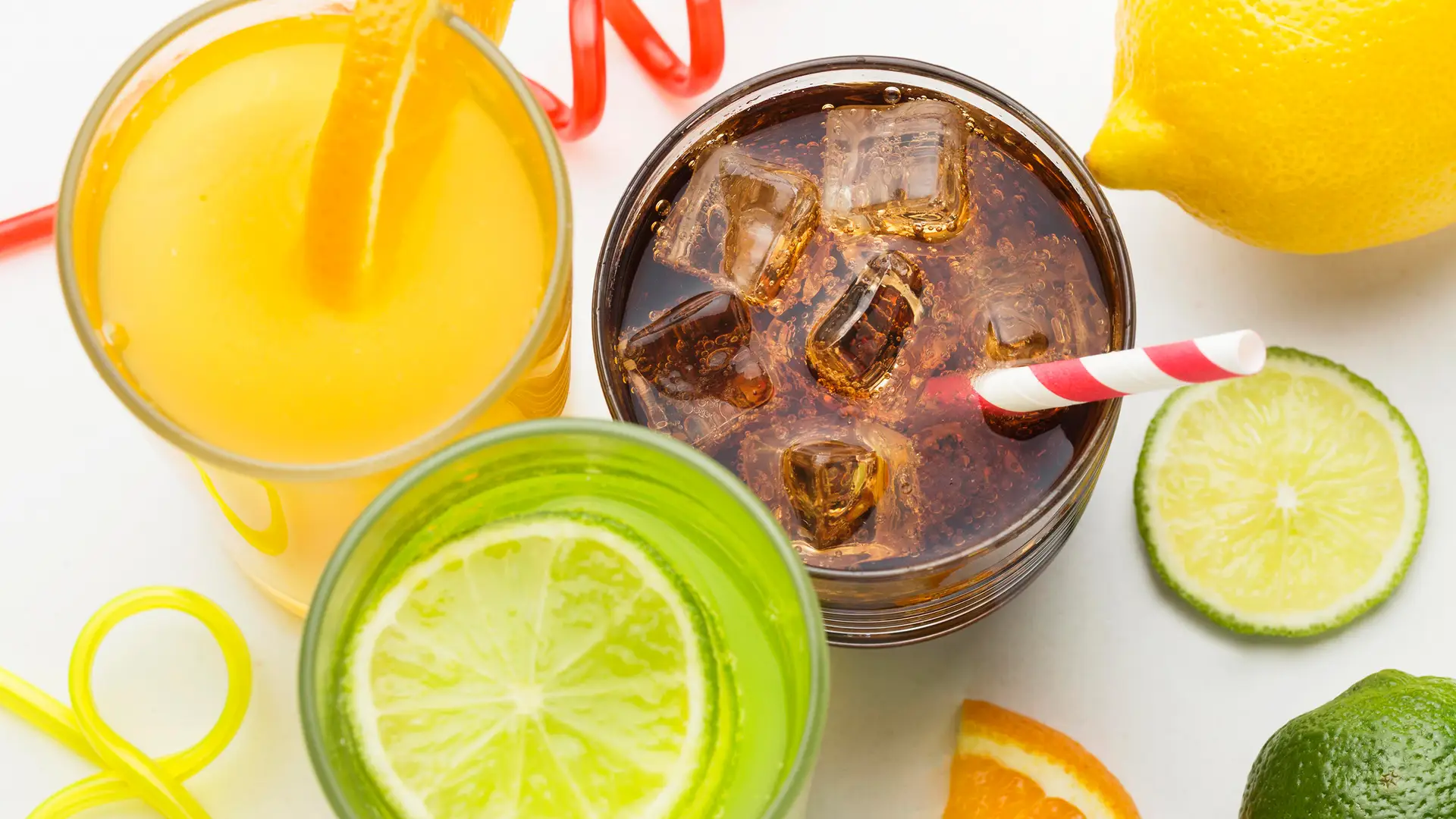
Yes — and for many drinks it works better than a standard kitchen fridge. A wine cooler maintains a precise, consistent temperature in the 5°C to 18°C range with low vibration and stable humidity, which suits beer, sparkling water, soft drinks, champagne, and many spirits equally well. The limit is not the appliance’s capability but its temperature range: it is not designed to reach fridge-cold temperatures for food safety, so perishable food and dairy should stay in the kitchen fridge.
Serving Temperatures by Drink Type
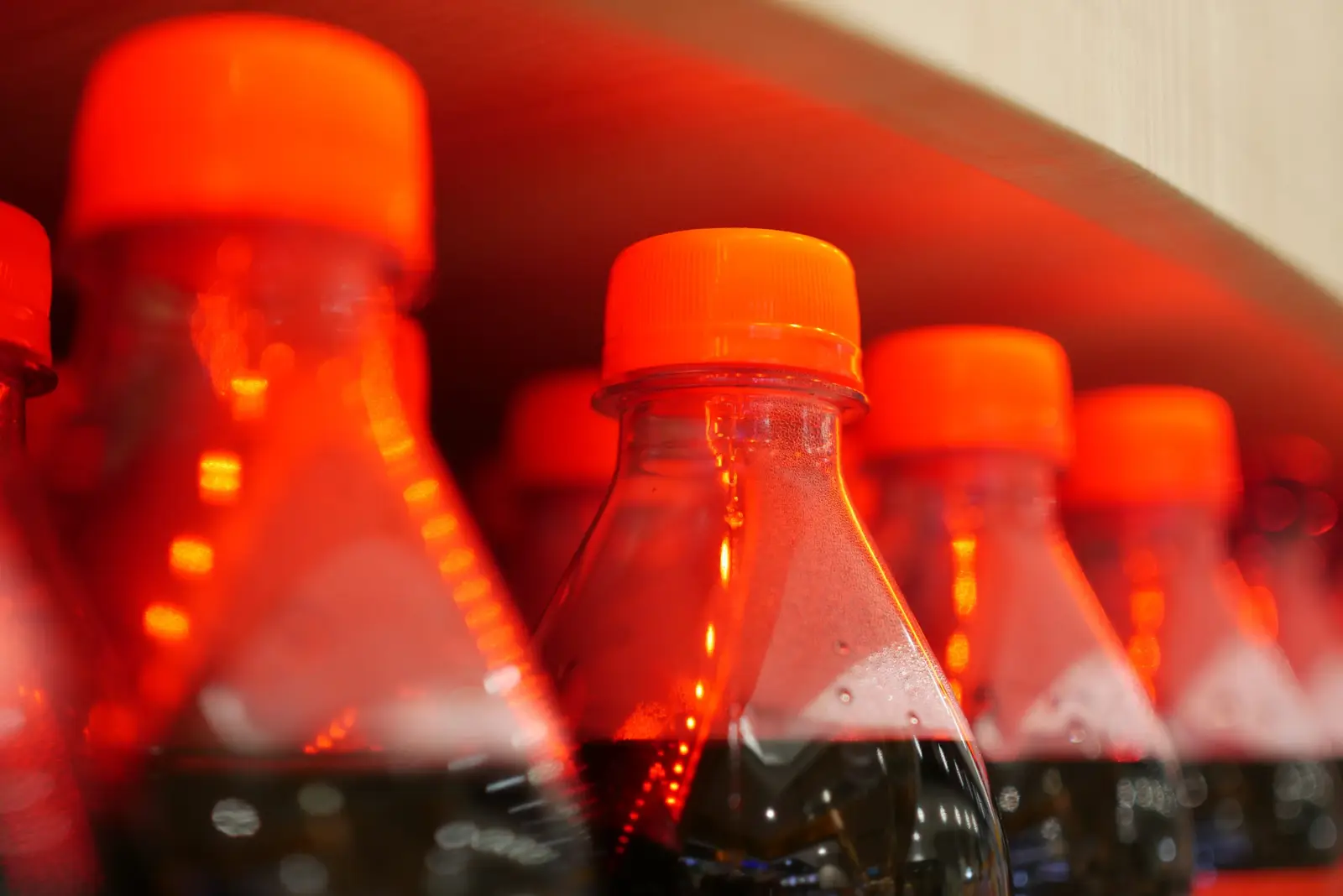
Most wine coolers have a temperature range of around 5°C to 18°C, which covers the ideal serving temperature for an impressively wide range of beverages. The table below shows where common drinks sit within that range, making it easy to decide whether your cooler is appropriate for what you want to chill.
| Drink | Ideal serving temperature | Wine cooler suitable? | Notes |
|---|---|---|---|
| Champagne and sparkling wine | 6°C to 8°C | ✓ Yes | Keep horizontal to prevent cork drying. Low vibration is particularly important for aged champagne. |
| White and rosé wine | 7°C to 12°C | ✓ Yes | Full-bodied whites (white Burgundy, white Rioja) prefer the warmer end; crisp whites and rosé the cooler end. |
| Red wine | 12°C to 18°C | ✓ Yes | Light reds (Pinot Noir, Beaujolais) at the cooler end. Full reds (Cabernet, Shiraz) at 16°C to 18°C. |
| Lager and pilsner | 6°C to 8°C | ✓ Yes | Works well. Can stand upright on shelves. Much better than a standard fridge which often over-chills. |
| Pale ale and IPA | 8°C to 12°C | ✓ Yes | Ideal temperature for most craft beers. Allows flavour and aroma to develop fully. |
| Stout and porter | 10°C to 13°C | ✓ Yes | Standard fridge temperature (4°C) suppresses the roasted flavour profile. Wine cooler hits the right range. |
| Sparkling water and soft drinks | 6°C to 10°C | ✓ Yes | Works perfectly. Better for carbonation retention than warmer room temperature storage. |
| Gin and vodka | 0°C to 5°C | Limited | Most wine coolers will not reach 0°C. The lower zones of a dual zone cooler at minimum setting get close, but a freezer is more suitable for these spirits. |
| Vermouth and fortified wine | 10°C to 14°C | ✓ Yes | Once opened, vermouth should be stored cold. A wine cooler is ideal — a fridge is too cold and suppresses the botanicals. |
| Milk, dairy, perishable food | Below 5°C | ✗ No | Wine coolers are not designed for food safety temperatures. Do not store dairy or perishable food in a wine cooler. |
Temperature preferences above reflect broad serving conventions. Individual taste varies, and some drinks benefit from slightly different temperatures depending on the specific producer’s recommendations.
Why a Wine Cooler Often Outperforms a Fridge for Drinks
The standard kitchen fridge runs at 3°C to 5°C — the safe temperature for dairy, meat, and cooked food. This is too cold for most drinks. Beer served at 4°C has its carbonation affected and its hop aromatics suppressed. Red wine served from a 4°C fridge is unpleasantly cold and tight on the palate. Even white wine served directly from a fridge is often colder than the ideal serving temperature.
A wine cooler also avoids the odour transfer problem that affects drinks stored alongside food in a kitchen fridge. An open container of leftover curry in the same fridge as a bottle of Chablis is not ideal. A dedicated beverage cooler keeps your drinks in a clean, food-free environment. The humidity level inside a wine cooler — slightly higher than a standard fridge — also helps with cork-sealed bottles, keeping corks from drying out over time.
Using a Dual Zone Cooler for Different Drinks
A dual zone wine cooler has two independently controlled temperature compartments — typically an upper zone and a lower zone, or a left and right division. This makes it ideal for storing multiple drink types at their correct serving temperatures simultaneously, without compromise.
Lower / cooler zone
Set to 6°C to 10°C
- Champagne and sparkling wine6 to 8°C
- Crisp white wine7 to 9°C
- Rosé wine8 to 10°C
- Lager and pilsner6 to 8°C
- Sparkling water6 to 8°C
Upper / warmer zone
Set to 12°C to 18°C
- Full-bodied white wine12 to 14°C
- Light red wine12 to 14°C
- Full red wine16 to 18°C
- Pale ale and IPA10 to 12°C
- Vermouth and fortified wine12 to 14°C
If your cooler has a single zone, the practical approach is to decide on the primary use. A cooler set to 12°C to 14°C covers most red wines and craft beers perfectly well. A cooler set to 8°C to 10°C covers most whites, rosé, champagne, and lager. Running a single zone at a midpoint of around 10°C is a reasonable compromise if you regularly want both cooler and warmer drinks available at the same time.
What Works Well and What to Avoid
Works well
- All still and sparkling wine at serving temperature
- Champagne and sparkling wine (keep horizontal)
- All beer styles — particularly craft and bottle-conditioned beers that suffer in a standard fridge
- Soft drinks and sparkling water for better carbonation retention
- Vermouth, dry sherry, and other fortified wines once opened
- Cordials and mixers for at-temperature serving
- Bottled water for consistently chilled drinking
Avoid storing
- Milk and dairy products — wine coolers do not reach the 5°C needed for dairy safety
- Cooked food or leftovers — not designed for food safety temperatures
- Raw meat or fish — use only a fridge or freezer rated for food storage
- Gin, vodka, or spirits requiring freezer-cold serving — most coolers cannot reach 0°C to 2°C
- Strongly scented food or ingredients — odours in the sealed environment can affect cork-sealed bottles
- Opened carbonated drinks without a reseal cap — CO₂ dispersal accelerates at cooler but not cold temperatures
CATA’s wine cooler range includes single-zone and dual-zone models in both freestanding and built-in configurations. For guidance on getting the most from your cooler, the guide to how often to clean a wine cooler covers the maintenance routine that keeps the cabinet in the right condition for storing all types of drinks.
Common questions answered
Can I store beer cans in a wine cooler?
Yes. Cans stand upright on the shelves of most wine coolers. They are actually better stored in a wine cooler than a standard fridge — the 6°C to 8°C range for lager and 8°C to 12°C for ales is achievable and consistent in a wine cooler, whereas a standard fridge at 4°C is colder than ideal for most beer styles.
Will my wine cooler get cold enough for sparkling water and soft drinks?
Yes. Most wine coolers reach down to 5°C to 6°C at their coldest setting, which is perfectly adequate for sparkling water and cold drinks. The consistent temperature also helps carbonated drinks retain their fizz better than if they cycle between ambient and refrigerator temperatures.
Can I use a wine cooler as a second fridge?
Not for food safety purposes. Wine coolers are not rated for storing dairy, cooked food, or raw meat — they do not maintain the below-5°C temperature that food safety requires. For extra cold drink storage at serving temperature they work excellently, but they should not be relied upon in place of a dedicated food fridge.
Does storing non-wine drinks affect my wine cooler?
No — provided you are not storing strongly scented food or drinks alongside cork-sealed bottles. Scents can penetrate cork closures over extended periods in a sealed environment. Beer cans, soft drink bottles, and sealed sparkling water bottles present no such risk. The appliance itself is unaffected by the type of drink stored.