Home » General Appliance Guides & Advice » Hard-Wiring vs Plug-In for Kitchen Appliances: UK Rules Explained
Hard Wiring vs Plug-In Appliances: UK Kitchen Rules Explained
When installing a new kitchen appliance, one of the most common questions is whether it should be plugged in or hard wired. The answer depends on the appliance’s power rating, how it’s used, and UK electrical safety regulations.
Getting this right is important not only for performance, but also for electrical safety and compliance with UK regulations.
What Does Plug-In vs Hard Wired Mean?
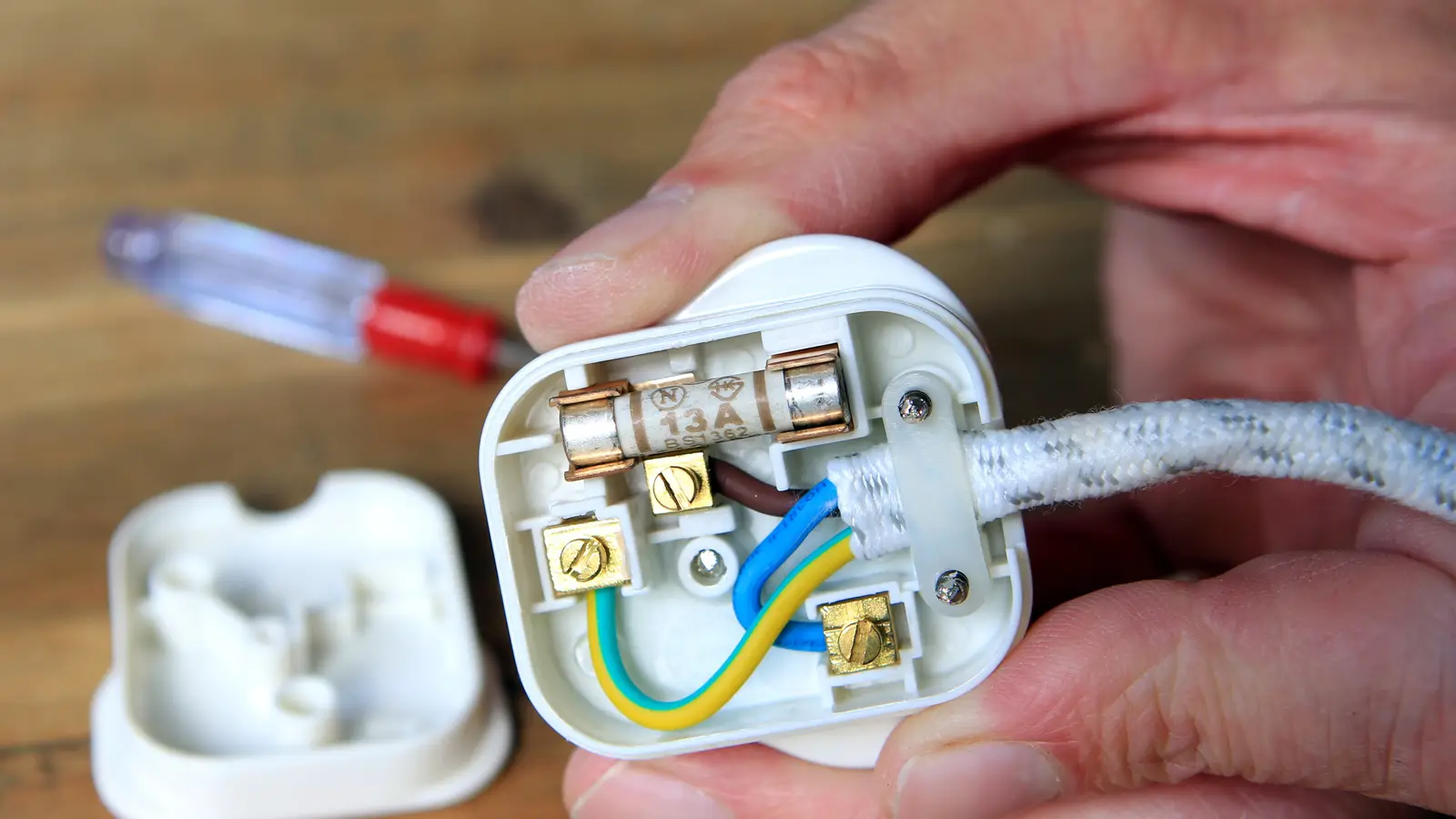
- Plug-in appliance:
Connects to a standard 13A socket using a regular plug. This is typical for lower-power appliances such as microwaves, kettles, and many integrated dishwashers. - Hard wired appliance:
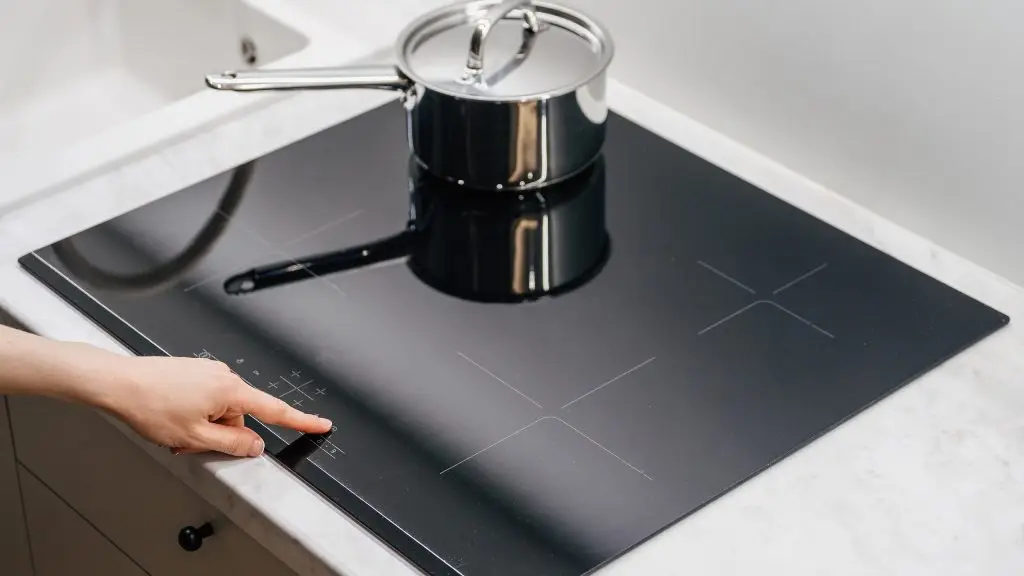
Connected directly to your home’s electrical supply via a dedicated circuit and isolation switch. This is used for higher-power appliances like electric ovens and induction hobs.
When Can You Use a Plug?
Appliances that fall within the limits of a standard 13A plug (roughly up to 3kW) can usually be plugged in safely.
- Microwaves
- Fridges and freezers
- Dishwashers
- Washing machines
- Some single ovens (13A models)
According to the Electrical Safety First guidance, appliances must not overload sockets, and care should be taken to avoid using extension leads for high-power devices.
When Do You Need Hard Wiring?
Hard wiring is required when an appliance exceeds the safe capacity of a standard plug or needs a dedicated supply.
- Electric ovens (typically over 3kW)
- Induction hobs
- Range cookers
- High-power electric grills
The UK Wiring Regulations (BS 7671) set out requirements for circuits and load capacity to ensure safe installation.
Typical Power Requirements
| Appliance | Typical Power | Connection Type |
|---|---|---|
| Microwave | 800–1500W | Plug |
| Dishwasher | 1800–2400W | Plug |
| Single oven | 2000–3000W | Plug or hard wired |
| Induction hob | 3000–7400W+ | Hard wired |
| Electric cooker | 7000W+ | Hard wired |
Why Hard Wiring Is Sometimes Safer
Hard wiring provides a more stable and secure electrical connection for high-power appliances.
- Dedicated circuit: Reduces risk of overload
- Isolation switch: Allows safe disconnection
- Better load handling: Suitable for high-power cooking appliances
Common Mistakes to Avoid
- Using extension leads: Not suitable for high-power appliances
- Overloading sockets: Can lead to overheating
- Ignoring manufacturer instructions: Always follow installation guidance
- DIY wiring: Can be unsafe and non-compliant
What Should You Choose?
The choice between plug-in and hard wiring depends on the appliance’s power rating and installation requirements.
- Low power (under ~3kW): Plug-in is usually fine
- High power (above ~3kW): Hard wiring required
- Check specifications: Always confirm before installation
Final Thoughts
Understanding whether to plug in or hard wire an appliance is essential for both safety and performance. While many everyday appliances can use a standard plug, higher-powered cooking appliances almost always require hard wiring.
If in doubt, always check the appliance specifications and consult a qualified electrician to ensure your installation is safe and compliant with UK regulations.
Explore More Kitchen Advice & Buying Guides
Browse our latest articles covering appliance tips, energy-saving advice, and expert guidance – designed to help you choose, use, and get the most from your kitchen appliances.