Home » Oven Guides & Advice » How to Tell If Your Oven Seal Needs Replacing
How to Tell If Your Oven Seal Needs Replacing
The oven seal is a small but important part of your appliance. It helps keep heat inside the cavity, supports even cooking, and stops your oven wasting energy. Over time, constant exposure to high temperatures can cause the seal to harden, split, or lose its shape.
If that happens, your oven may struggle to hold the right temperature, which can affect everything from roasting and baking to overall running costs.
Common Signs Your Oven Seal Is Failing
- Heat escaping from the door:
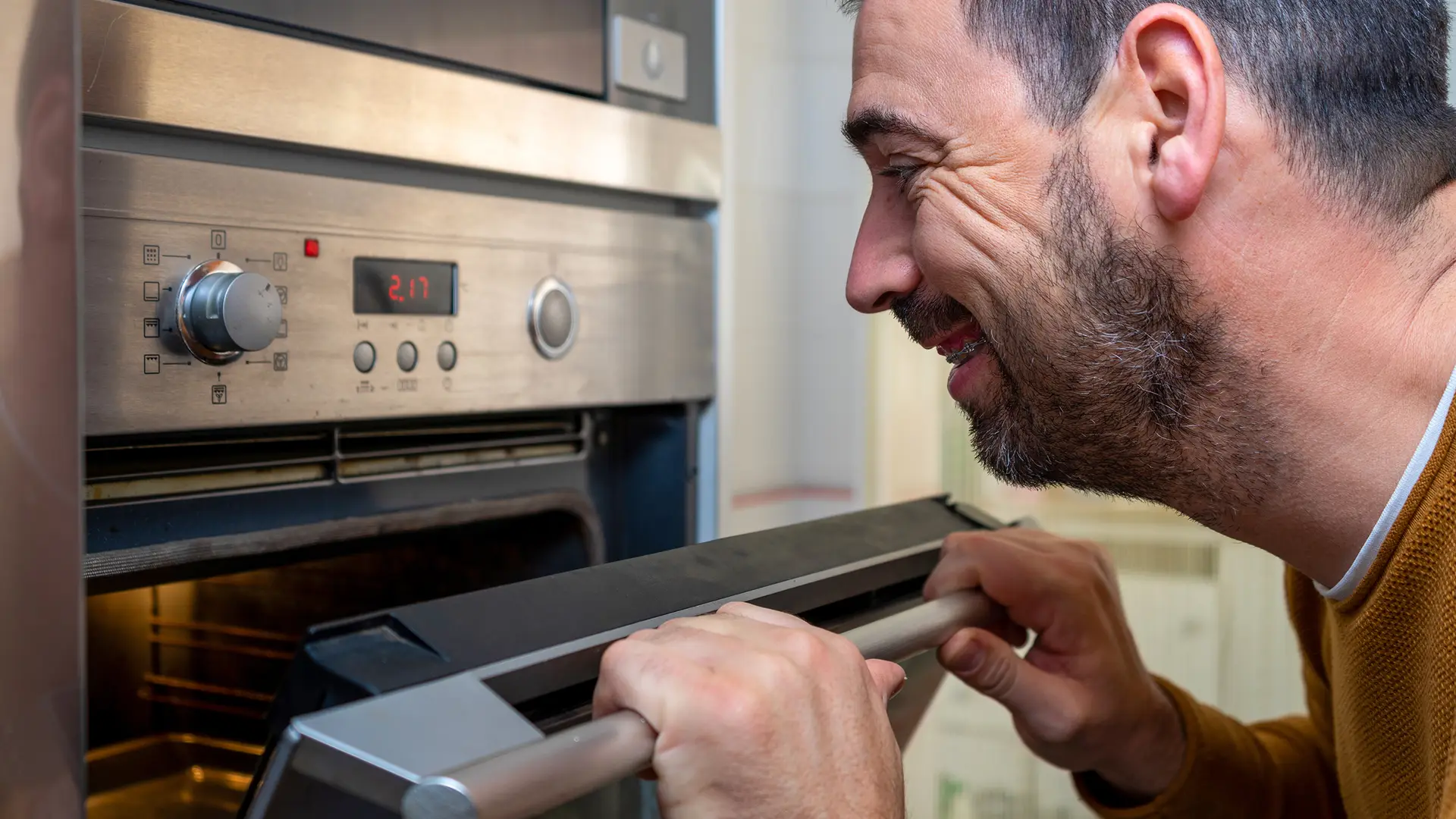
If you can feel hot air leaking from around the edge of the oven door, the seal may no longer be sitting tightly against the frame. - Uneven cooking results:
A damaged seal can let heat escape, making it harder for the oven to maintain a steady internal temperature. This often leads to food cooking unevenly. - Longer cooking times:
When heat is leaking out, your oven has to work harder to stay hot. That can mean meals take longer than expected to cook through properly. - Visible cracks, splits or flattening:
If the seal looks brittle, torn, worn down or compressed, it may no longer form the snug barrier your oven needs. - Burn marks or residue around the frame:
Escaping heat, grease and food particles can sometimes leave marks around the door opening when the seal is no longer doing its job correctly. - The paper test fails:
Close the oven door on a sheet of paper. If it slides out easily without resistance, the seal may have lost its grip.
Why a Worn Oven Seal Matters
A faulty seal is more than a minor maintenance issue. When hot air escapes, your oven may need more time and energy to reach and maintain the temperature you have selected. That can lead to higher electricity use, less reliable cooking results, and extra strain on the appliance over time.
Quick Symptom Guide
| Symptom | What it could mean | What to do |
|---|---|---|
| Hot air leaking from the door | The seal is loose, warped or no longer closing tightly | Inspect the full gasket for gaps, flattening or tears |
| Food cooking unevenly | The oven may be losing heat during use | Check the seal before assuming the thermostat is faulty |
| Longer cooking times | Heat loss is making the oven work harder | Test the door seal and replace it if worn |
| Visible cracks or splits | The gasket material has deteriorated | Replace the seal as soon as possible |
| Paper slips out easily | The seal is no longer gripping properly | Repeat the test in several spots around the door |
How to Replace an Oven Seal
Many oven door seals are designed to be removed without tools. In many cases, they are held in place by small clips, hooks or push-in corners.
- Make sure the oven is switched off and completely cool.
- Open the door and inspect how the existing seal is attached.
- Carefully remove the old seal from its clips or slots.
- Line up the replacement seal in the same position.
- Press or hook it firmly into place so it sits evenly all the way around the frame.
When the Problem Might Be Something Else
If you replace the seal and still notice heat escaping, the issue may not be the gasket alone. In some cases, a warped oven door, worn hinges, or poor alignment can stop the door from closing tightly.
If that happens, it is worth getting the appliance checked before the problem gets worse.
Explore More Kitchen Advice & Buying Guides
Browse our latest articles covering appliance tips, energy-saving advice, and expert guidance – designed to help you choose, use, and get the most from your kitchen appliances.