Home » Cooker Hood Guides & Advice » Do Cooker Hoods Use Much Electricity?
Do Cooker Hoods Use Much Electricity?
No — cooker hoods are among the lowest-consumption appliances in the kitchen. Most domestic models draw between 60W and 250W when running, and because they are only used during and briefly after cooking, the typical household spends less than £15 a year running one. For context, that is less than leaving a single LED bulb on continuously for the same period.
How Much Electricity a Cooker Hood Uses
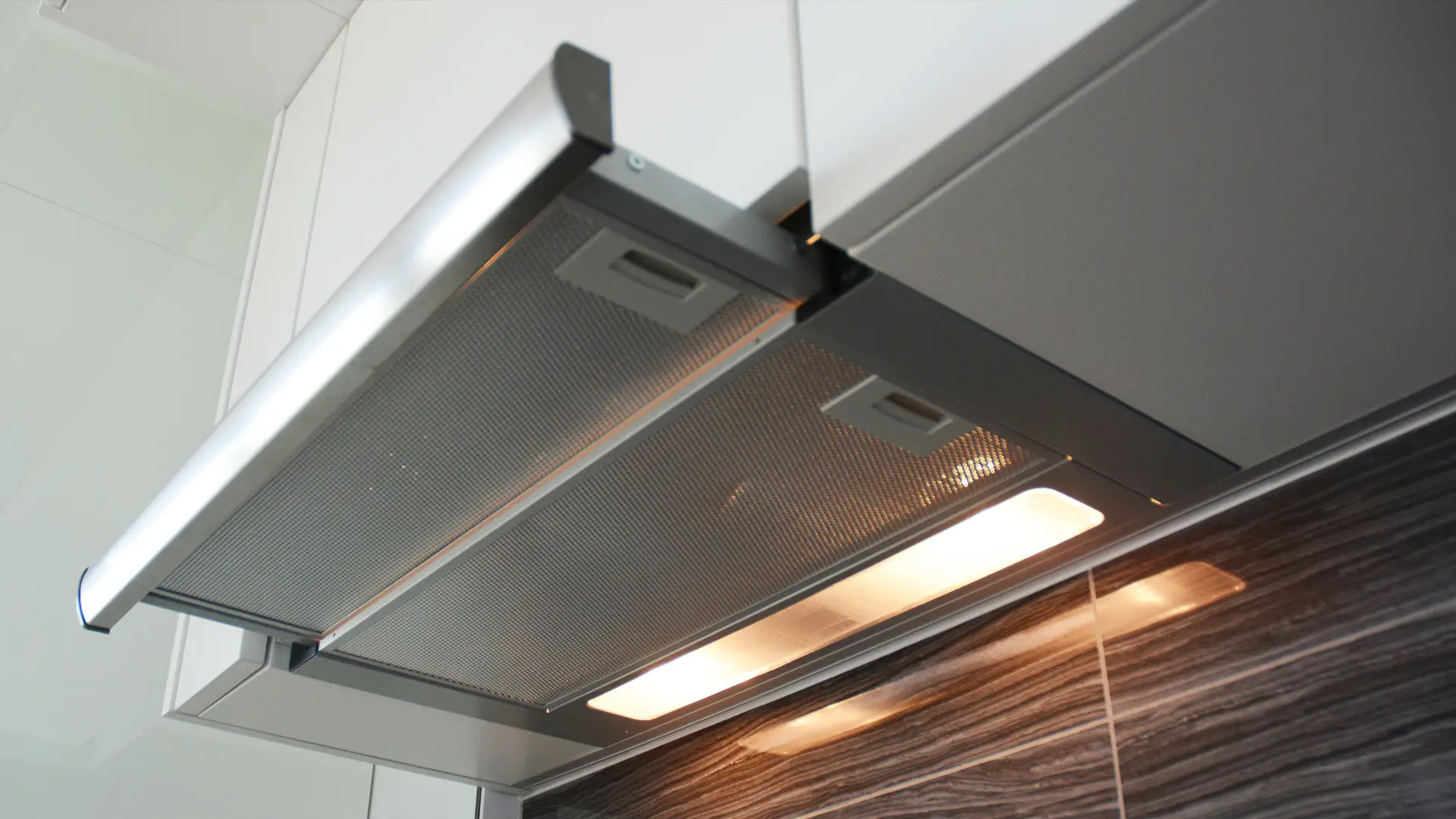
A cooker hood draws power from two sources: the fan motor and the lighting. These are quite different in their consumption, and understanding both helps you see why the overall figure is so low compared to the oven or hob beneath it.
The fan motor
This is the dominant draw. At minimum speed a typical domestic hood motor uses 60 to 80 watts. At medium speed this rises to 120 to 180 watts, and at maximum speed 180 to 300 watts depending on the hood’s extraction capacity. The motor runs at the speed you set — it does not have a compressor that cycles on and off like a fridge. Whatever speed you choose, that wattage runs continuously for as long as the hood is on.
In practice, most everyday cooking requires no more than medium speed. Maximum speed is typically used only for high-heat frying or grilling, and for short durations. The effective average wattage across a typical cooking session — where you might run on low for 20 minutes and switch briefly to medium for 10 minutes — is considerably lower than the maximum rated figure.
The lighting
Older hoods with halogen or incandescent lighting added 20 to 40 watts per bulb to the total consumption, and that heat generated inside the hood reduced efficiency. Modern hoods with LED lighting use 3 to 5 watts per fitting, producing no meaningful heat and adding almost nothing to the running cost. If your hood still uses halogen bulbs, switching to LED equivalents is the single most cost-effective efficiency improvement available.
| Component / speed | Typical wattage | Cost per hour (at 25p/kWh) |
|---|---|---|
| Fan — minimum speed | 60 to 80W | 1.5p to 2p |
| Fan — medium speed | 120 to 180W | 3p to 4.5p |
| Fan — maximum speed | 180 to 300W | 4.5p to 7.5p |
| LED lighting (typical hood) | 6 to 15W | 0.15p to 0.4p |
| Halogen lighting (older hoods) | 40 to 80W | 1p to 2p |
Annual Running Cost
Running cost depends on how long and at what speed the hood is used each day. A household that cooks once or twice daily and runs the hood for a total of 45 to 60 minutes will use approximately 30 to 55 kWh per year — costing £8 to £14 annually at 25p per kWh. Even a household that cooks extensively and runs the hood for two hours a day at medium speed would spend around £22 to £27 per year.
Light use
30 min/day at low speed. Single person or couple cooking once daily.
Typical household
45–60 min/day, mixed speeds. Family cooking once or twice daily.
Heavy use
1.5–2 hrs/day at medium to high speed. Frequent cooking, open-plan kitchen.
These figures assume modern LED lighting. A hood still using halogen bulbs adds approximately £3 to £5 per year in lighting consumption alone — modest in absolute terms but a simple improvement to make at the next bulb change.
How a Cooker Hood Compares to Other Kitchen Appliances
The numbers only become meaningful when placed alongside the appliances the hood is running alongside. A cooker hood on maximum speed for a full hour uses roughly the same electricity as 30 minutes of oven use — and during normal cooking it will be on for a fraction of the time the oven runs.
Approximate cost per hour of use (at 25p per kWh)
The cooker hood is simply not a meaningful contributor to kitchen electricity bills. Even doubling the time it runs each day would add less than £10 per year. The energy conversation around kitchen appliances is better focused on the oven, hob, and dishwasher — where the per-hour consumption is ten to twenty times higher.
How to Keep Cooker Hood Energy Use Low
- 1Use the lowest effective speed. The motor uses proportionally less electricity at lower speeds. For everyday cooking — boiling, baking, gentle frying — minimum or medium speed captures steam and odour adequately. Reserve maximum speed for high-heat grilling, deep frying, or particularly pungent cooking. Dropping from maximum to medium speed roughly halves the motor’s power draw.
- 2Switch to LED lighting if your hood still uses halogen. LED replacement bulbs for oven hoods are widely available and use 80 to 90 percent less electricity than halogen equivalents. The difference in the annual electricity bill is small — a few pounds — but the bulbs also produce no heat inside the canopy, which reduces the thermal load the motor has to work against.
- 3Run the hood for a few minutes after cooking, then switch off. The most effective use pattern is to switch on just before cooking, run briefly after finishing to clear residual steam and odours, then switch off. Leaving it running unnecessarily for 20 to 30 minutes because you forgot it is on is the main source of avoidable consumption in most households.
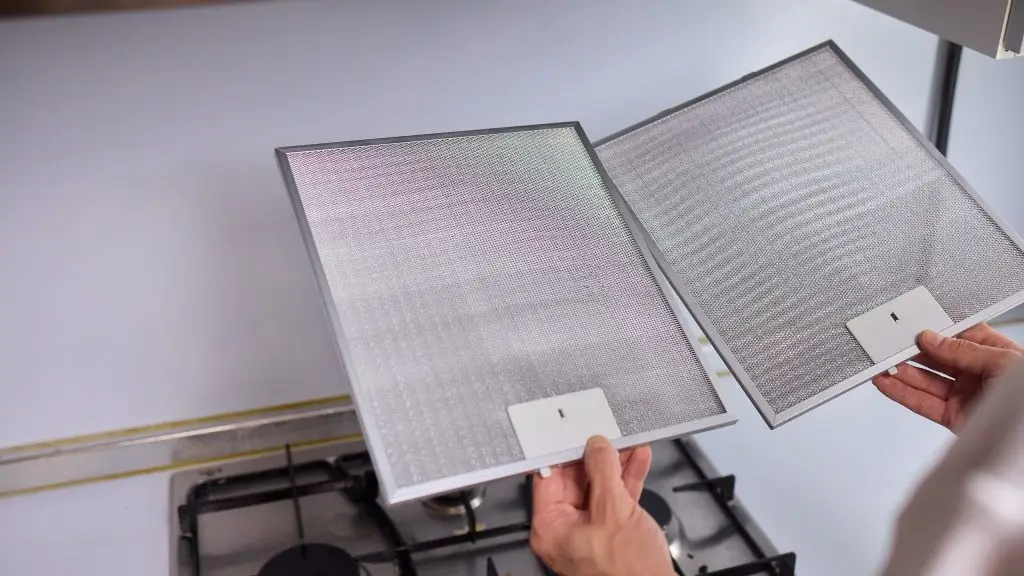
- 4Keep the grease filter clean. A clogged filter restricts airflow, causing the motor to work harder to move the same volume of air. A harder-working motor draws more current for the same extraction result. A clean filter at the correct interval is the cheapest efficiency maintenance available for any hood.
- 5Ensure the ducting is correctly sized. An undersized duct creates resistance that forces the motor to run at higher speed or draw more current to maintain airflow. Using the duct diameter the manufacturer specifies for the hood’s extraction rate allows the motor to operate at its design efficiency point. This is a one-time installation consideration rather than an ongoing habit, but it affects every hour the hood runs for its lifetime.
If noise rather than energy consumption is your main concern, the guide to quiet cooker hoods and noise levels explained covers dB ratings, noise sources, and what to look for when buying. Browse CATA’s full cooker hood range for models with LED lighting and A-rated energy efficiency across all hood types.
Common questions answered
How much does it cost to run a cooker hood per year?
For a typical household cooking once or twice daily and running the hood for 45 to 60 minutes, the annual electricity cost is approximately £10 to £15. Heavy cooking households spending up to two hours a day running the hood at medium to high speed would pay around £20 to £30 per year. These are among the lowest running costs of any kitchen appliance.
What is an energy-efficient cooker hood?
Under current UK and EU energy labelling regulations, cooker hoods are rated from A to G. An A-rated hood achieves its extraction performance with the lowest motor power draw for its class. Key features to look for are LED lighting as standard, a well-designed motor that achieves high extraction rates at lower wattage, and well-sealed housing that minimises air leakage reducing effective extraction.
Does leaving the hood on all day waste a lot of electricity?
More than it needs to — but in absolute terms, less than you might expect. A hood left on at minimum speed for 8 hours uses around 0.5 to 0.65 kWh, costing about 13 to 16p. That adds up to roughly £47 to £58 per year of unnecessary use, which is significant relative to the normal annual cost. Switching off promptly after cooking is the single best habit for keeping running costs low.
Is a recirculating hood cheaper to run than a ducted one?
The motor power draw is similar between ducted and recirculating models of equivalent specification. The recirculating hood does not vent to outside, so there is no heat loss from the building in winter — which some argue makes it marginally more efficient overall. The meaningful difference in running cost between the two types is the charcoal filter replacement needed on recirculating models every three to six months.
Explore More Kitchen Advice & Buying Guides
Browse our latest articles covering appliance tips, energy-saving advice, and expert guidance – designed to help you choose, use, and get the most from your kitchen appliances.