Can I Plug a Gas Hob Ignition into a Normal Socket?
Why Gas Hobs Are Different from Electric Hobs
An electric or induction hob uses electricity as its primary energy source — the electricity itself generates the heat. That is why a ceramic hob draws 4,000W to 7,000W and requires a dedicated hardwired circuit. A gas hob is fundamentally different: gas is the energy source for cooking, and electricity plays only a tiny supporting role.
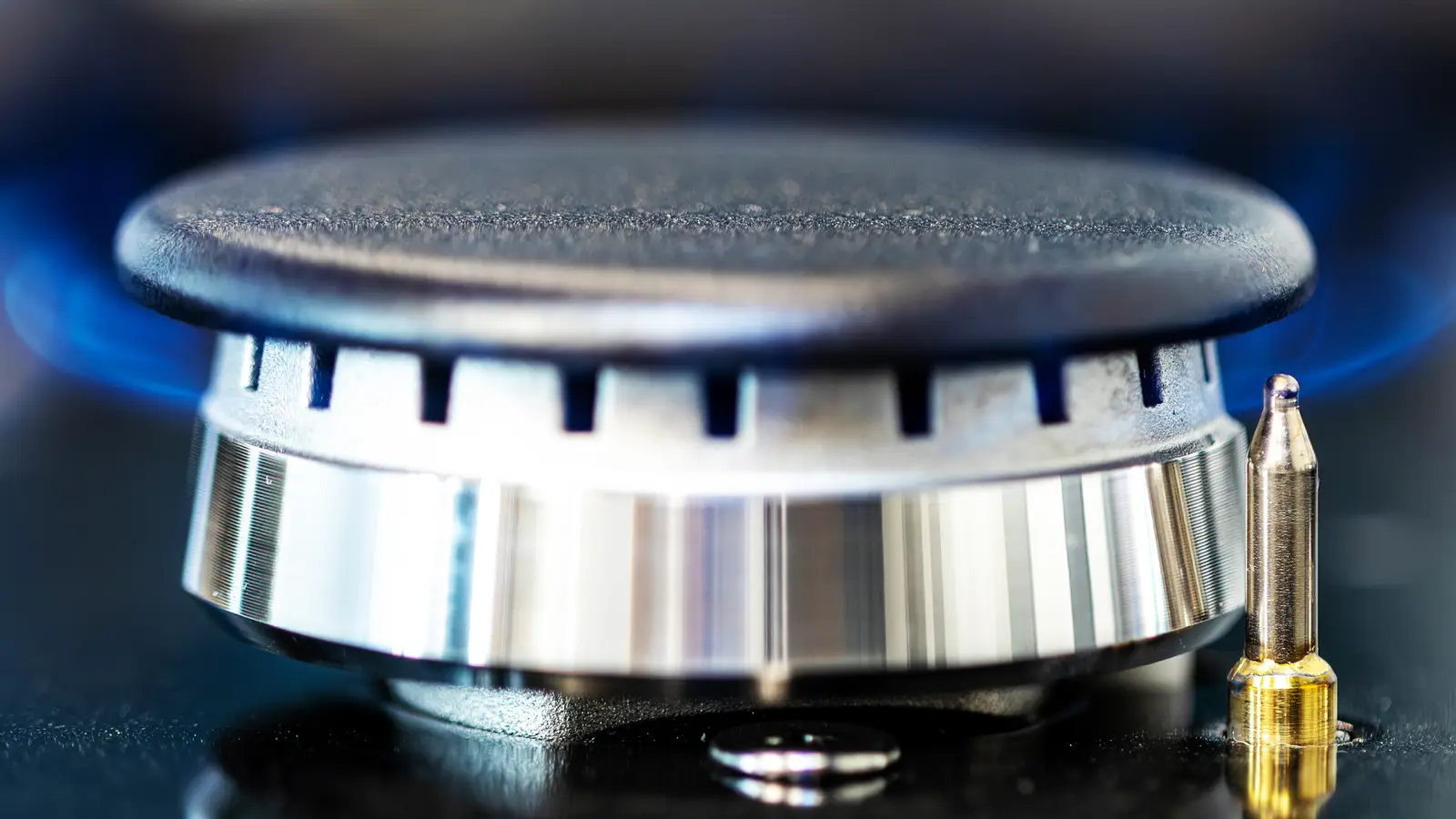
Gas hob ignition
Spark igniter and flame failure device together. Draws power only at ignition and continuously at a very low level for the thermocouple safety circuit.
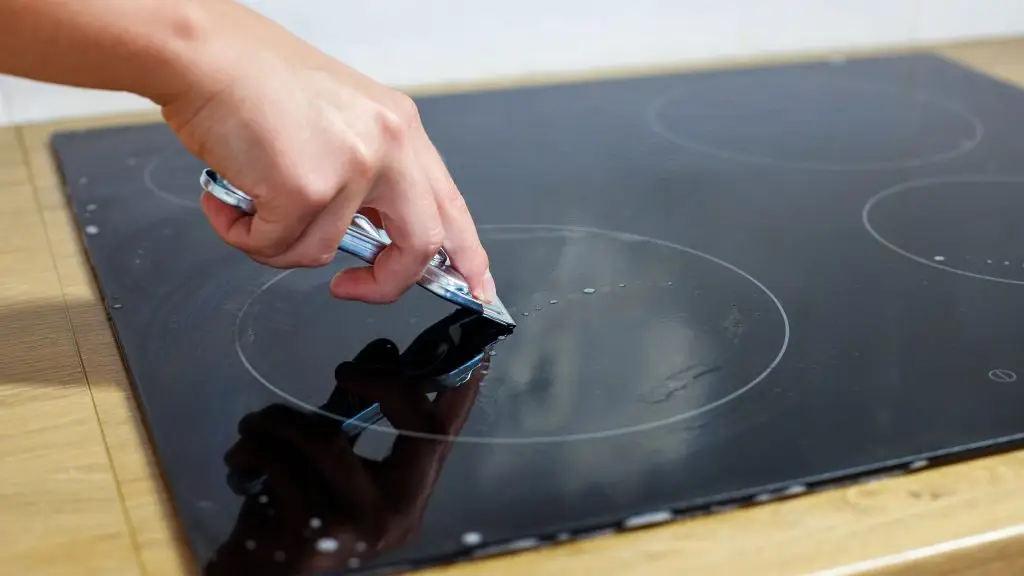
Ceramic hob
Electricity is the heat source. All four zones running simultaneously far exceeds what a 13A socket can safely supply.
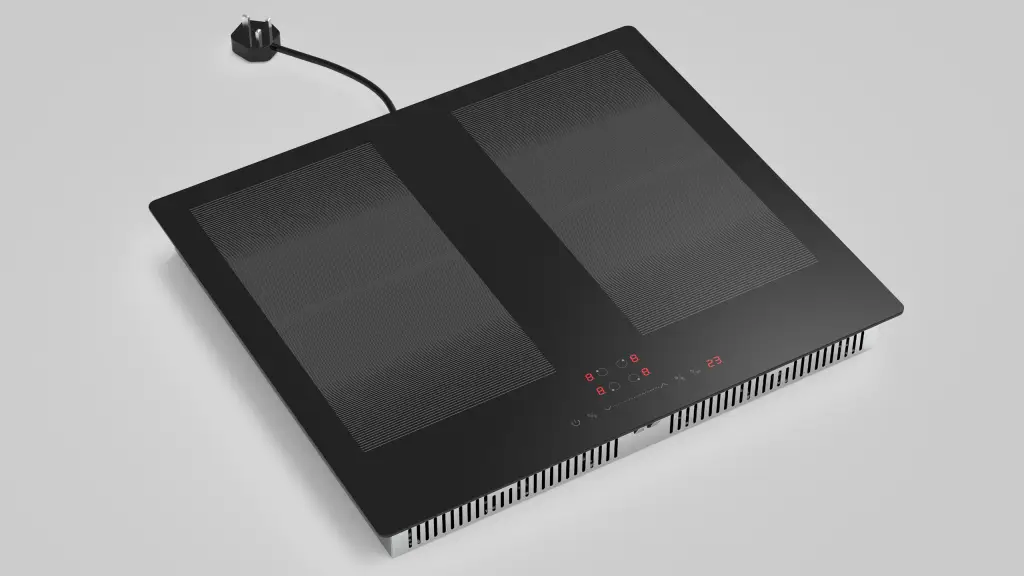
Induction hob
Highly efficient but still draws significant total power. Requires a dedicated radial circuit in the same way as a ceramic hob.
A gas hob’s ignition system creates a high-voltage spark to light each burner. The electronics that produce this spark draw a negligible amount of power from the mains — typically under 10 watts continuously and a brief spike of perhaps 15 to 20 watts at the moment of ignition. Even the most conservative electrical installation guidance has no concern about this load on a standard 13A socket.
Many gas hobs also incorporate a flame failure device: a thermocouple or thermistor that senses whether the burner is lit and cuts the gas if the flame goes out. This safety feature draws a continuous but tiny current from the electrical supply. Again, the power draw is negligible — typically 2 to 5 watts total across all burners — and has no bearing on socket suitability.
Socket Positioning Rules
The power draw is not the concern with gas hob socket installation — the concern is where the socket is placed. Sockets near a gas hob must comply with BS 7671 (the IET Wiring Regulations) and building regulations, which set out specific requirements around proximity to gas appliances and heat sources.
Socket to the side of the hob, at worktop level or above
A socket positioned on the wall or in a unit to the side of the hob, clear of the burner area and not directly behind the hob surface, is the standard compliant installation. It must be accessible without reaching across hot burners.
Socket inside the adjacent cabinet, below worktop level
Some installations route the hob’s flex through the worktop or side panel into an internal socket in the cabinet next to the hob. This keeps the socket hidden and clear of the cooking surface, provided there is adequate ventilation in the cabinet and the flex is suitably protected where it passes through the worktop.
Socket directly behind the hob or above the burners
A socket positioned directly behind the hob surface — in the splashback zone behind the burners — is not acceptable. Grease, steam, and heat from the burners reach this area during cooking. A socket in this position is exposed to contamination and heat that can degrade the connections and create a fire risk over time.
Socket that cannot be easily isolated without reaching over the hob
The socket or isolation point must be accessible for servicing without requiring someone to reach across lit burners or a hot cooking surface. If the only socket position available would place it in an awkward or hazardous location, a fused spur with a remotely positioned switch is the better approach.
In practice, the easiest compliant installation for most kitchens is a socket in the cabinet immediately to the left or right of the hob, with the flex routed neatly through the side panel. This keeps the socket clear of heat and grease, accessible for servicing, and entirely out of the cooking zone.
When a Fused Spur Is Used Instead
What is a fused spur and why might an installer specify one?
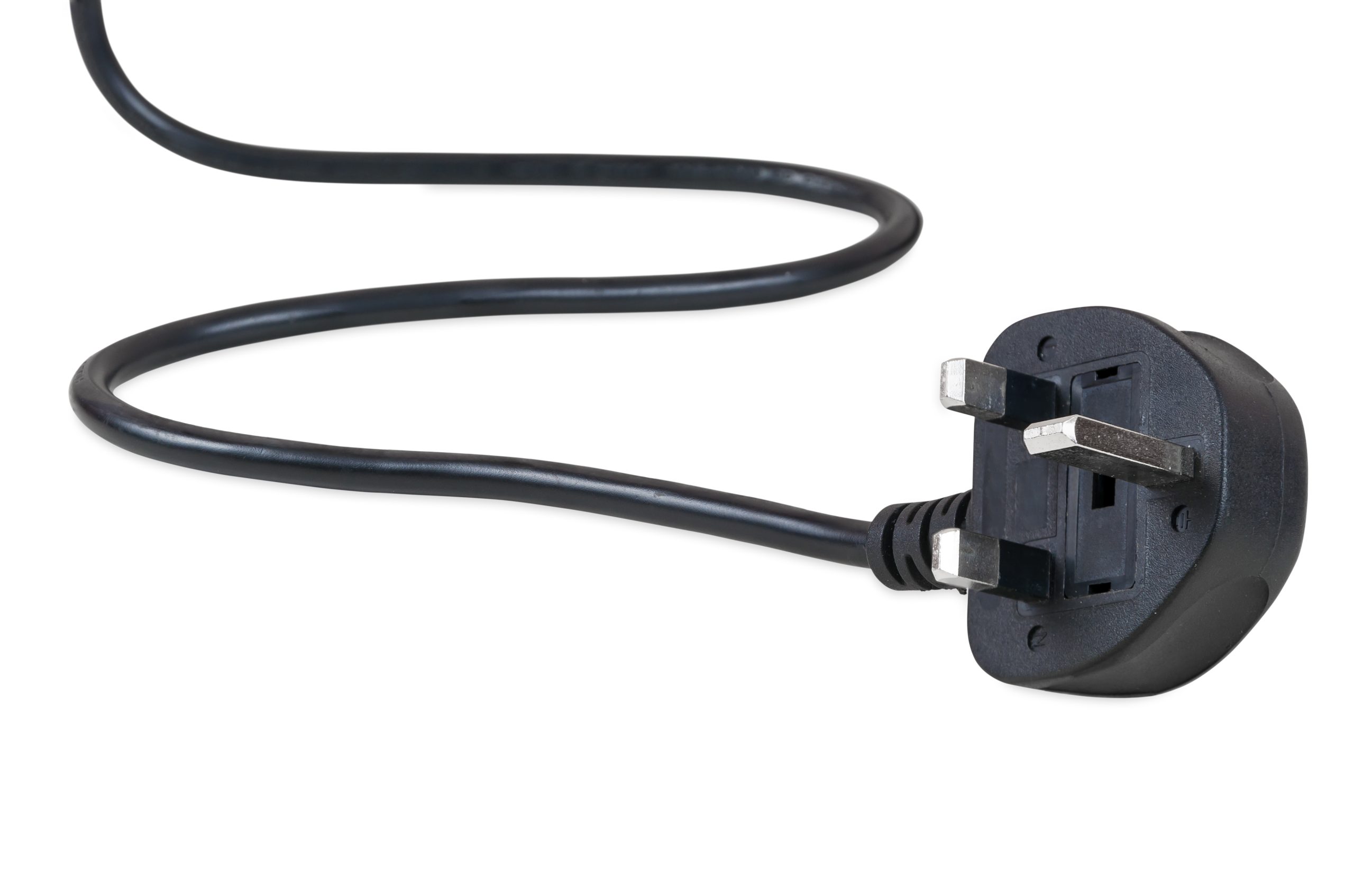
A fused spur (or switched fused connection unit) is a fixed electrical connection point with a built-in fuse, mounted on the wall. Unlike a socket, it is not a plug-and-socket arrangement — the appliance’s flex connects directly and permanently, with an integral switch for isolation. It has no exposed socket face that can accumulate grease or moisture.
For gas hob ignition connections, a fused spur is sometimes preferred over a socket for two reasons. First, it eliminates the plug-and-socket connection point, which is the most common failure point in a connection that may be subject to kitchen humidity and grease over many years. Second, it can be positioned with its isolation switch accessible without bringing the plug to hand — useful where a socket would sit in an awkward location relative to the hob.
A fused spur rated at 3A or 5A is more than sufficient for a gas hob ignition. The installation is a simple job for a qualified electrician and is often done at the same time as the gas connection is made by the Gas Safe registered engineer. Neither a fused spur nor a socket connection for a gas hob ignition is notifiable under Part P on its own, provided it is an addition to an existing circuit rather than a new circuit from the consumer unit.
Gas hob installation involves both a gas connection (Gas Safe registered engineer required) and an electrical connection for the ignition. CATA’s gas hob range includes installation specifications for each model. For comparison with electric alternatives, the guide to ceramic hob socket requirements explains why electric hobs take a completely different approach to electrical connection.
How all three hob types compare on electrical connection
| Hob type | Power draw | Standard socket suitable? | Connection method |
|---|---|---|---|
| Gas (ignition only) | Under 10W | Yes | Standard 13A socket or fused spur — socket must be positioned away from the burner zone |
| Ceramic | 4,000W to 7,000W | No | Dedicated radial circuit with cooker control unit, hardwired by a qualified electrician |
| Induction | 3,500W to 7,400W | No | Dedicated radial circuit with cooker control unit, hardwired by a qualified electrician |
| Compact single-zone ceramic | 1,500W to 2,000W | Check rating plate | Standard socket only if the manufacturer specifies socket connection and total input is below 3,000W |