Do Cooker Hoods Need to Vent Outside?
Cooker hoods are an essential part of any kitchen ventilation system — but do they always need to be vented outside?
In this guide, we’ll explain whether outdoor extraction is necessary, what your options are if it isn’t possible, and how to stay compliant with UK building regulations.
Should a Cooker Hood Vent Outside?
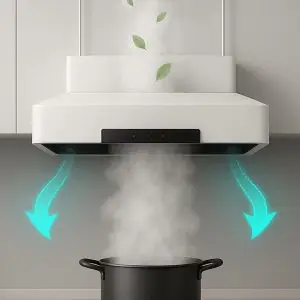
Ideally, yes. Venting to the outside is the most effective way to remove:
- Smoke
- Grease
- Steam
- Cooking odours
Ducted cooker hoods improve air quality and help reduce condensation and moisture, preventing issues like mould or damage to cabinetry and walls.
Can You Install a Hob Without a Hood?
Yes — legally, you can install a hob without a hood in most domestic kitchens. However, building regulations in the UK (especially for new builds or major renovations) require adequate ventilation in kitchens.
Alternatives to a cooker hood include:
- Wall-mounted or window extractor fans
- Recirculating hoods
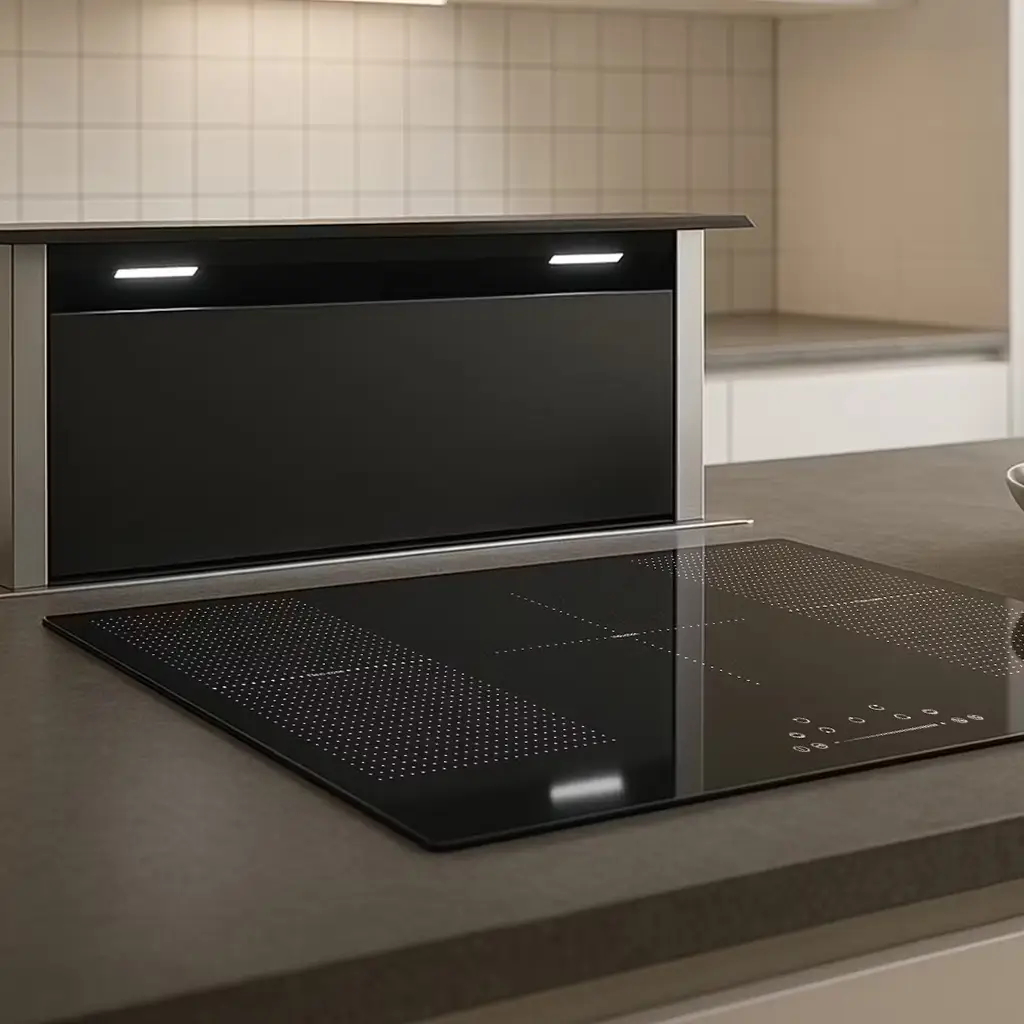
- Downdraft extractors
How Do You Vent a Kitchen With No Access to an Outside Wall?
If there’s no option to vent outdoors, you still have solutions:
- Recirculating cooker hoods: These draw in air, clean it through filters, and release it back into the kitchen.
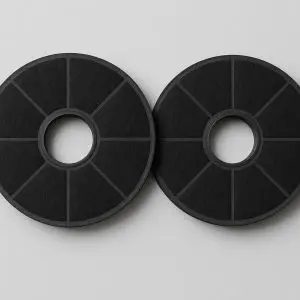
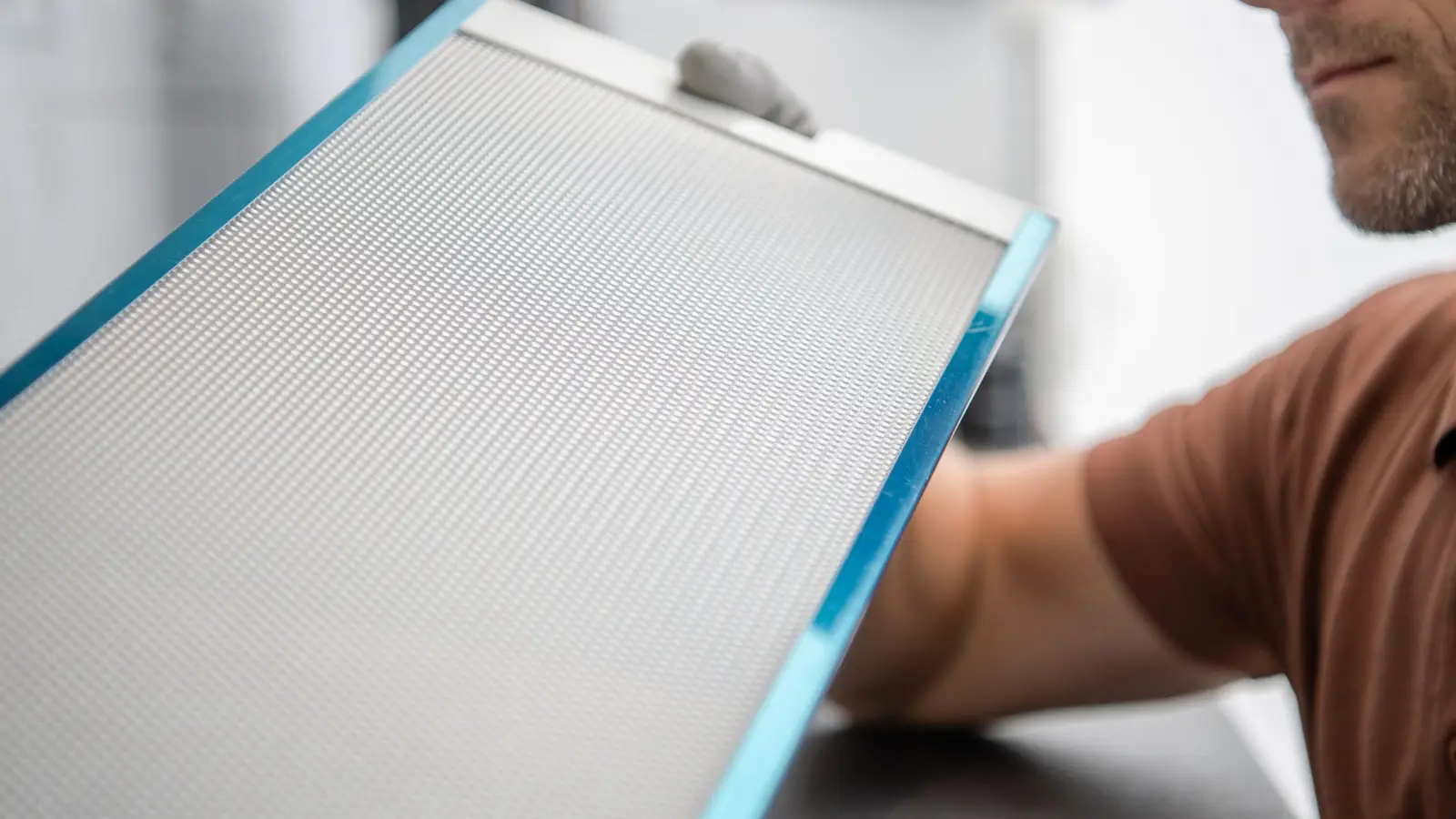
- Charcoal filters: Help to absorb odours and grease (need to be replaced regularly).
- Window fans or air purifiers: Can support ventilation, although they’re not direct replacements for extraction systems.
What Are the Rules for Cooker Hood Ducting in the UK?
While installing a cooker hood isn’t legally required in every case, UK Building Regulations — particularly Part F (Ventilation) — set clear requirements for ventilation performance in kitchens. If you install a cooker hood, especially one that extracts externally, there are a few important rules to follow:
Ventilation Rates
- Above the hob: Mechanical ventilation must extract a minimum of 30 litres per second (l/s).
- Elsewhere in the kitchen: If extraction isn’t directly over the hob, it must achieve 60 l/s.
These rules apply to new builds, major refurbishments, and conversions under Building Regulations.
Ducting Guidelines
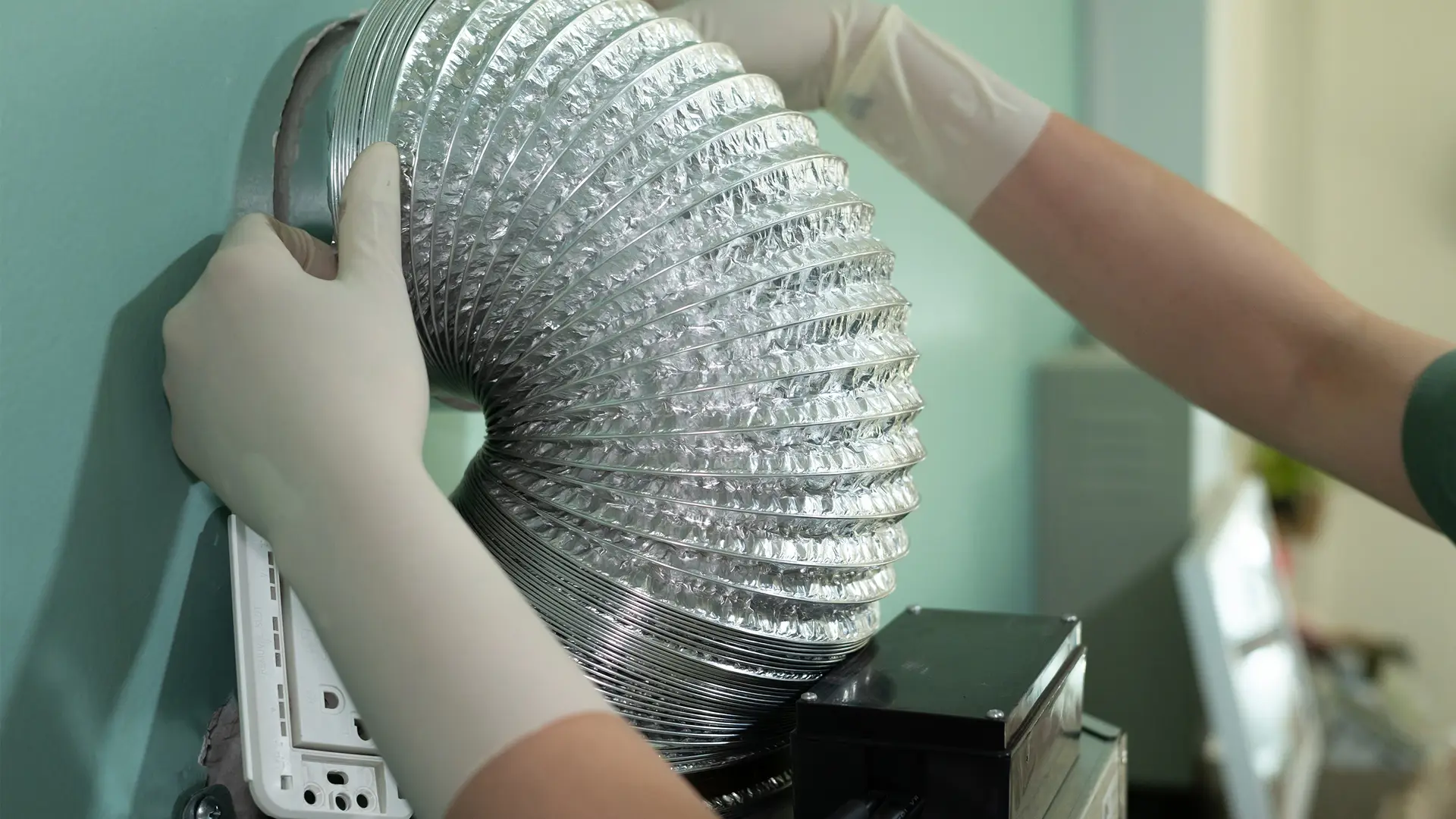
- Keep duct runs as short and straight as possible. The longer the duct, the more resistance the fan must overcome, reducing performance.
- Minimise bends: Avoid sharp 90° angles where possible. Use gradual bends to help airflow.
- Use rigid ducting over flexible: Rigid ducting improves airflow and reduces grease build-up, condensation, and noise.
- Diameter matters: Always match or exceed the diameter specified by the hood manufacturer — commonly 125mm or 150mm for most modern hoods.
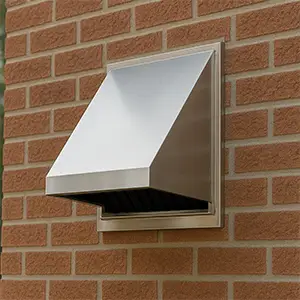
- Proper external termination: The duct should vent to the outside through a wall, roof, or soffit using an external grille or louvre with a backdraught damper to stop air from coming back in.
Minimum Distance Between Hob and Cooker Hood
To ensure safety and effective operation, there are minimum clearances that must be maintained between the hob and the cooker hood:
- Electric hobs: Minimum 650mm (65cm) from the hob to the underside of the hood
- Gas hobs: Minimum 750mm (75cm) from the hob to the underside of the hood
- Induction hobs: Follow the manufacturer’s instructions — typically 650mm, but can vary
These distances are based on manufacturer recommendations and safety standards. Always check your specific hood’s manual, as some may require greater clearance.
Do Cooker Hoods Have to Vent Outside?
Not necessarily. While external extraction is ideal for removing steam and pollutants, you
can use:
- Recirculating hoods (also known as ductless or non-vented hoods), especially if your kitchen has no external wall access.
These are often found in flats, listed buildings, or kitchens with islands.
Do Kitchens Need to Vent Outside
For new builds and extensive refurbishments, yes:
- UK building regulations require mechanical ventilation that vents to the outside.
- This doesn’t mean you must have a cooker hood — but some form of extraction, like an extractor fan or ducted system, must be installed.
Is There an Extractor Fan That Doesn’t Require Venting Outside?
Yes — recirculating extractor fans:
- Use grease and charcoal filters to clean the air
- Don’t need ducting or external vents
- Easier to install and suitable for kitchens without external walls
These are popular for kitchen islands and flats where venting outside is impractical.
Are Non-Vented Cooker Hoods Any Good?
Non-vented hoods aren’t quite as powerful as ducted models, but they can work well if:
- They’re fitted with high-quality charcoal filters
- Filters are cleaned or replaced regularly
They’re best suited to light or occasional cooking. If you do a lot of frying or high-heat cooking, a ducted hood will perform better.