How to Preheat an Oven Properly (and When It Matters)
Knowing how to preheat an oven properly can make a real difference to cooking results. While it might feel like an optional step, preheating is essential for certain foods and less important for others. This quick guide explains when preheating matters, how long it should take, and how to do it correctly for consistent results.
What Does Preheating an Oven Mean?
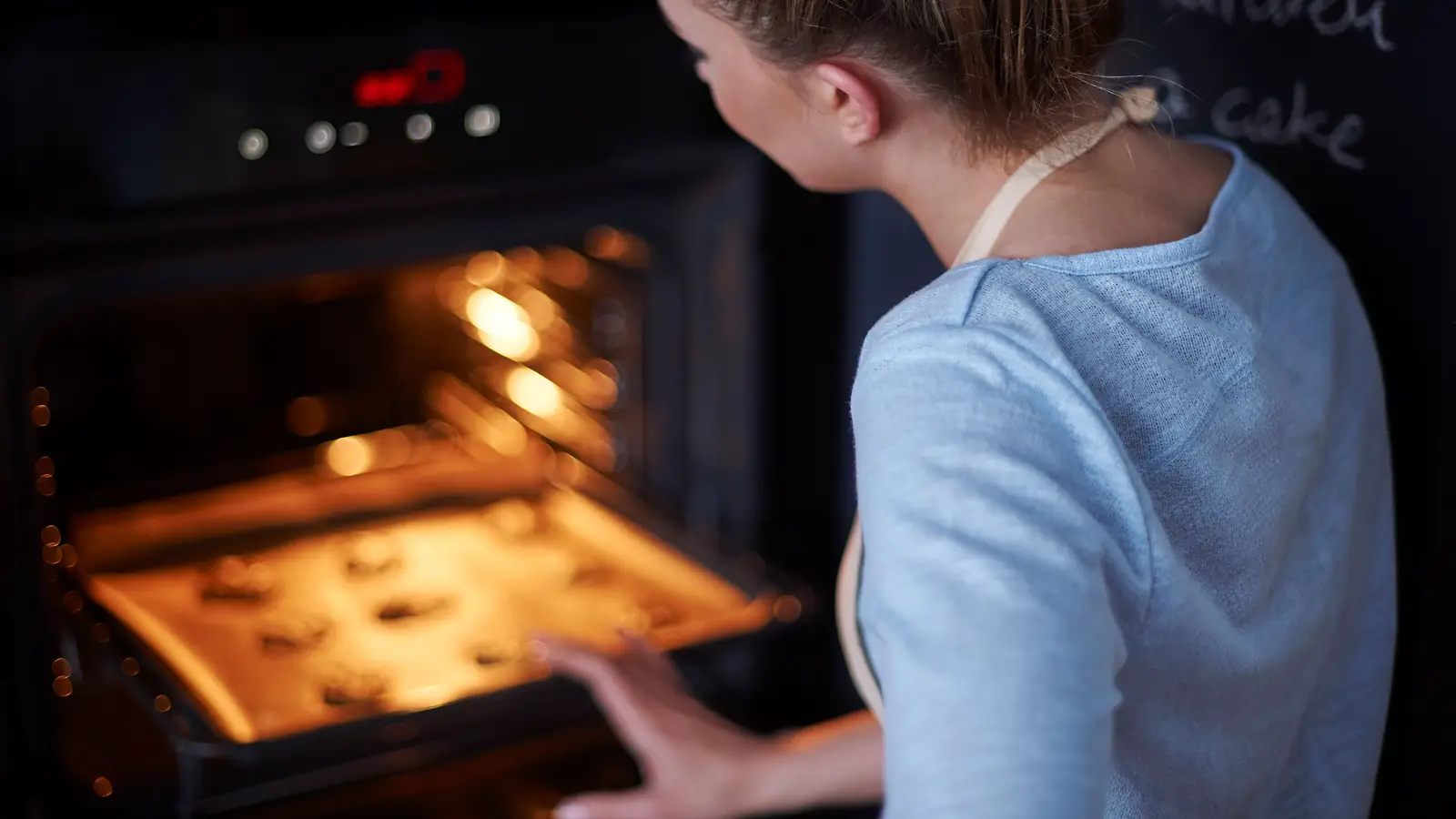
Preheating an oven means allowing it to reach the selected temperature before you place food inside. This ensures cooking starts immediately at the correct heat, rather than slowly warming up.
Most modern ovens indicate when they’ve reached temperature with a light, beep, or display, but for baking it’s often worth waiting an extra few minutes for the heat to stabilise.
How to Preheat an Oven Properly
1. Select the Correct Oven Function
Always choose the cooking mode specified in your recipe, such as fan or conventional. Fan ovens generally preheat faster and distribute heat more evenly.
2. Set the Right Temperature
Set the oven to the exact temperature stated. Guessing or rounding up can lead to uneven cooking or over-browning.
3. Allow Enough Time
As a general rule:
- Fan oven: around 10 minutes
- Conventional oven: 15–20 minutes
If you’re baking cakes or bread, allow an extra few minutes after the indicator switches off.
4. Avoid Opening the Door
Opening the oven door during preheating lets heat escape and can significantly increase warm-up time.
When Does Preheating Really Matter?
Preheating isn’t always essential, but for certain foods it plays a crucial role in texture, rise, and browning.
👉 Hover over each card to reveal the answer
Cakes and bread rely on instant heat to rise properly.
🍕 Frozen foods
Hover to reveal
Preheating ensures crisp bases and even cooking.
🍗 Roasting
Hover to reveal
A hot oven helps seal moisture and improves browning.
When Preheating Is Less Important
You can usually skip preheating when cooking:
- Slow-cooked casseroles
- Stews and braised dishes
- Reheating leftovers
Quick tip: Skipping preheating when it’s needed is a common cause of uneven cooking, collapsed cakes, and pale bakes.
Does Preheating Use More Energy?
Preheating does use energy, but skipping it often leads to longer cooking times or disappointing results. When used correctly, proper oven preheating can actually save energy by ensuring food cooks efficiently the first time.
Key Takeaway
If you’re baking, roasting, or cooking frozen foods, always preheat your oven properly. For slow cooking or reheating, it’s usually optional. Knowing when preheating matters helps you cook more efficiently and achieve better results every time.