Home » Microwave Guides & Advice » Microwave Grill Functions Explained
Microwave Grill Functions Explained
A standard microwave heats food from the inside out using microwave energy. Fast, but it produces no surface browning or crisping. A microwave grill adds a radiant heating element, usually positioned at the top of the cavity, that works like a conventional grill: direct heat from above that browns and crisps surfaces. The combination gives you speed from the microwave and texture from the grill, which a microwave alone cannot deliver.
The functions at a glance
| Function | How it works | Best for |
|---|---|---|
| Microwave only | Microwave energy penetrates food and heats from the inside. Fast, but no browning. | Reheating liquids, sauces, leftovers. Defrosting. Anything where texture is not the priority. |
| Grill only | The grill element produces radiant heat from above. No microwave energy active. | Browning already-cooked food. Melting and grilling cheese toppings. Toasting bread. Finishing pasta bakes or gratins. |
| Microwave + grill (combi) | Both run simultaneously or in alternating cycles. Microwave heats through; grill browns the surface. | Pizza, jacket potatoes, lasagne, ready meals, reheated dishes needing a better finish. Cooking raw chicken pieces. |
| Defrost | Low-power microwave cycles with pauses to allow heat to equalise without cooking. | Thawing meat, bread, prepared meals. Always defrost before cooking raw food through. |
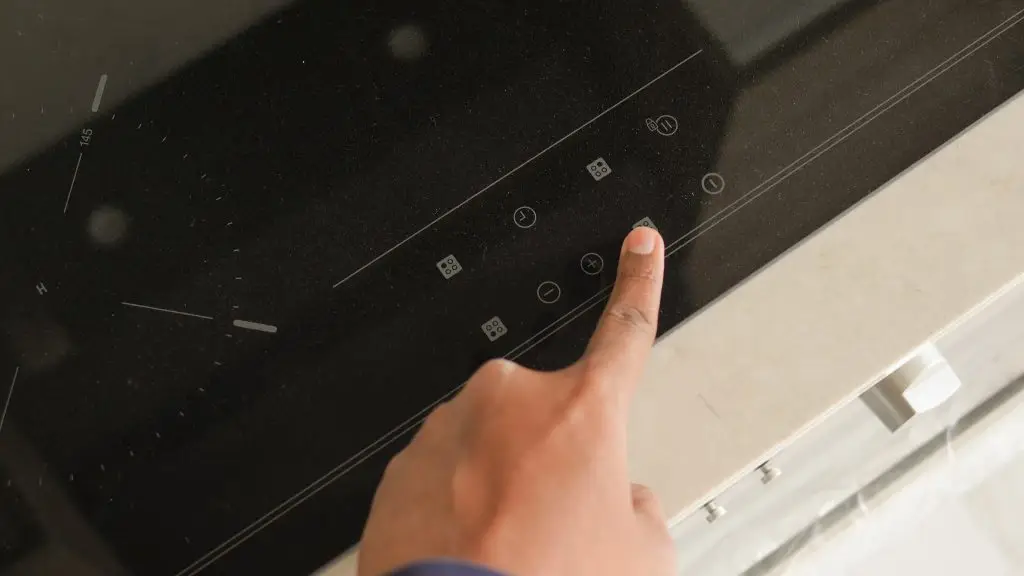
Exact function names vary by manufacturer and model. The icons to look for are a microwave wave symbol, a horizontal grill line, and a combined symbol showing both. Most models also have preset combi programmes for common food types such as pizza or chicken.
Choosing the right function
Cookware matters in grill and combi modes. Metal containers are not safe in microwave mode but may be required or permitted for grill-only mode depending on the model. Always check the handbook for your specific appliance. Ceramic, glass, and microwave-safe plastic are safe for all modes on most models.
CATA integrated microwave grills
UBMICL20BK.1 — 20L Microwave Grill Black
- 700W microwave power
- 5 power levels
- 245mm turntable
- 300mm installation depth
- Microwave, grill, and combi modes
UBMG25SS — 25L Microwave Grill Stainless Steel
- 900W microwave power
- 8 cooking programmes
- 315mm turntable
- Child lock
- Microwave, grill, and combi modes
For the full technical picture on how microwave grill technology works, see the companion article how does a microwave grill work. Browse the full CATA built-in microwave range for models with grill and combi functions.
Explore More Kitchen Advice & Buying Guides
Browse our latest articles covering appliance tips, energy-saving advice, and expert guidance – designed to help you choose, use, and get the most from your kitchen appliances.