What Cooker Hood Do I Need? The Go-To Buying Guide
Quick answer: The right cooker hood depends on your hob size, kitchen layout, preferred installation type, and how heavily you cook. In most cases, choose a hood that is at least as wide as your hob, offers suitable extraction for your room size, and suits whether you need vented or recirculating installation.
A cooker hood, also known as an extractor hood or kitchen hood, is one of the most useful appliances you can add to a kitchen. Positioned above your hob, it helps remove steam, cooking smells, smoke, and airborne grease before they spread around the room.
Without good extraction, kitchens can quickly become humid, sticky, and stale. Over time, lingering moisture may contribute to condensation on windows and surfaces, while grease can settle on cabinets, splashbacks, and ceilings. The right hood helps create a cleaner, fresher, and more comfortable cooking environment.
This guide will help you choose the right model for your kitchen style, cooking habits, and budget. Whether you want something discreet and integrated, a stylish angled glass design, or a statement hood above an island, the key is matching performance and design to the way your kitchen is used.
What Does a Cooker Hood Do?
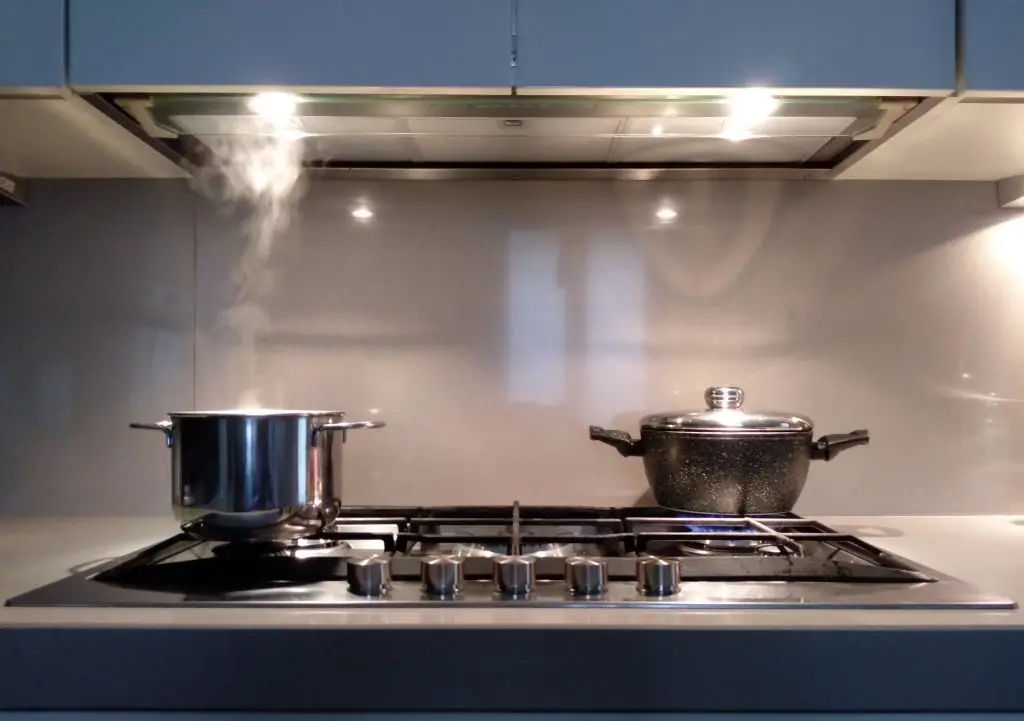
A cooker hood’s main job is to extract smoke, steam, grease, and cooking odours from the air while you cook. It pulls warm air upwards through grease filters and then either vents it outside or cleans it and returns it to the room, depending on the installation type.
This matters because cooking produces more than just smells. Boiling, frying, and simmering all release moisture into the air, while oil and food particles can settle on surfaces over time. A good hood helps reduce these issues and makes the kitchen easier to keep clean.
It can also help improve comfort in open-plan kitchens, where steam and odours would otherwise drift into adjoining living spaces. If you cook frequently or enjoy strong-flavoured foods, choosing the right hood can make a noticeable difference day to day.
Types of Cooker Hoods
There are several different cooker hood styles available, each suited to different kitchen layouts and design preferences. Some are intended to blend in, while others are designed to stand out as a focal point.
| Cooker hood type | Description | Best for |
|---|---|---|
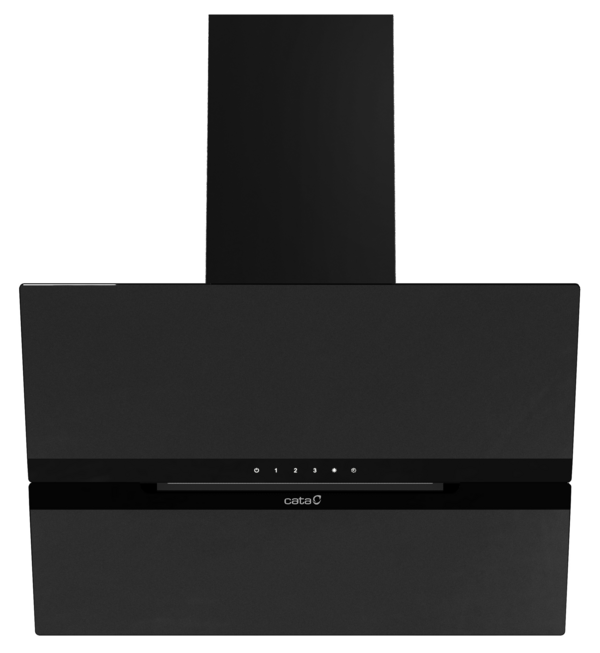
| Angled glass cooker hoods | Modern sloped designs that improve headroom while keeping a sleek look above the hob. | Contemporary kitchens where style and practicality both matter. |
| Ceiling extractor hoods | Built into the ceiling for a discreet, streamlined appearance with powerful extraction. | Large, open-plan kitchens or premium minimalist layouts. |
| Island cooker hoods | Suspended from the ceiling above an island hob, often acting as a visual centrepiece. | Kitchens with island cooking zones. |
| Downdraft extractor hoods | Hidden in the worktop and rising only when needed for a very clean look. | High-end, minimalist kitchens with uninterrupted sightlines. |
| Curved glass cooker hoods | Chimney-style hoods softened by a curved glass canopy. | Modern kitchens that want a gentler feature look. |
| Chimney cooker hoods | Classic wall-mounted models with a vertical chimney section. | Standard kitchen layouts with a hob against a wall. |
| Box cooker hoods | Bold, boxy designs with a modern professional feel. | Kitchens wanting a stronger visual statement. |
| Integrated and canopy hoods | Built into a cabinet for a hidden, seamless appearance. | Minimalist kitchens and designs where appliances should stay out of sight. |
| Visor cooker hoods | Compact and practical models that fit neatly beneath a cabinet. | Small kitchens and more budget-friendly installations. |
| Designer cooker hoods | More unusual shapes and finishes intended to make a style statement. | Design-led kitchens with a focus on appearance. |
| Flat glass cooker hoods | Simple modern designs combining a slim glass canopy with solid extraction. | Contemporary kitchens wanting a subtle feature. |
The best type is not always the most expensive or the most visually dramatic. It is the one that fits your layout properly, gives you the extraction performance you need, and suits the overall look of your kitchen.
Factors to Consider Before Buying
Choosing the right hood is about more than appearance. To get the best performance, it needs to suit your room size, your hob, and the way you cook.
Kitchen Size and Layout
Larger kitchens usually need higher extraction rates to clear air effectively. In open-plan rooms, it is also worth paying close attention to noise levels, because the sound of the hood can be much more noticeable when the kitchen blends into the living space.
Hob Size
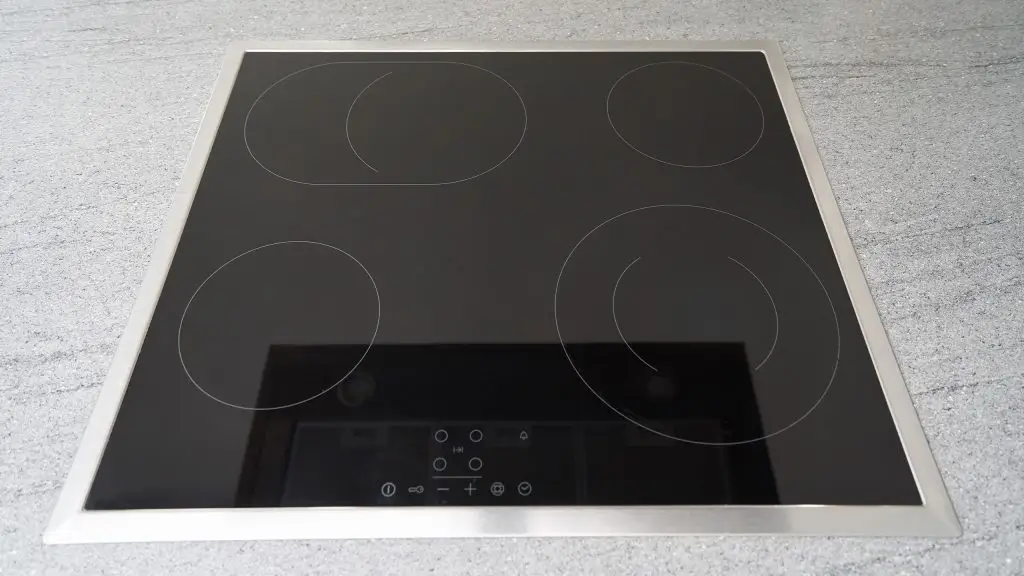
Your cooker hood should ideally be the same width as your hob or slightly wider. This increases the capture area and gives the hood a better chance of drawing in steam and grease before they spread. For wider range-style hobs or frequent high-heat cooking, going wider can be especially helpful.
Noise Levels
Cooker hood sound is usually measured in decibels (dB) A decibel rating shows how loud the hood is during use. Lower numbers are generally quieter. . Quieter models are usually preferable in open-plan kitchens, smaller homes, or households where the hood may be used for long periods.
Extraction Rate
The extraction rate tells you how much air the hood can move, usually measured in m³/h This means cubic metres per hour and shows how much air the hood can extract in one hour. . As a simple rule, many buyers aim for a model capable of refreshing the air in the kitchen multiple times per hour, with stronger extraction often better for heavy frying, searing, or open-plan rooms.
Filters and Maintenance
Most hoods use grease filters that need regular cleaning. If you choose a recirculating model, you will also need carbon filters to help reduce odours. These typically require periodic replacement depending on usage.
Style and Aesthetics
Some people want the hood to blend into cabinetry, while others want it to become a design feature. Think about finishes, shapes, and visibility from different angles in the room. A hood that looks great online may feel too dominant in a compact kitchen or too small in a wide open-plan space.
- Small kitchen: compact canopy, visor, or slim chimney styles often work well.
- Open-plan kitchen: prioritise lower noise and stronger extraction.
- Island hob: choose an island or ceiling solution designed for central placement.
- Minimalist cabinetry: integrated and canopy models keep the look cleaner.
- Frequent frying or strong cooking odours: aim for stronger extraction and easy-clean filters.
Vented vs Recirculating: What’s the Difference?
Cooker hoods usually work in one of two ways: they either remove air from the kitchen and vent it outside, or they filter it and send it back into the room.
| Feature | Vented hoods | Recirculating hoods |
|---|---|---|
| How they work | Extract air and send it outside through ducting. | Filter the air and return it to the room. |
| Steam removal | Better at removing moisture and humidity. | Less effective for moisture because the air stays indoors. |
| Odour control | Very effective. | Good, but relies on carbon filters being maintained properly. |
| Installation | Requires ducting to an external wall or roof outlet. | Easier where outside venting is not practical. |
| Maintenance | Mainly grease filter cleaning. | Grease filter cleaning plus carbon filter replacement. |
Vented hoods are often the best option where possible because they remove heat, steam, and cooking smells from the room altogether. They are especially useful in homes where cooking produces a lot of moisture.
Recirculating hoods are more flexible where ducting is difficult, such as in flats, internal kitchen layouts, or situations where major installation work is not practical. They can still be very effective for general odour and grease control, but they rely more heavily on ongoing filter maintenance.
For a wider look at extraction systems, you can also read our guide to how vented induction hobs work.
Smart Features and Extras
Modern cooker hoods often come with features designed to improve convenience, visibility, and overall ease of use. Not every extra is essential, but some can make everyday cooking noticeably more pleasant.
Touch Controls or App Connectivity
Sleek touch controls can give a hood a cleaner, more modern look. In some premium models, app-based control adds extra convenience and can complement a smart kitchen setup.
Built-In Lighting
Good hob lighting makes a big difference when cooking. LED lights are particularly popular because they offer crisp illumination, use less energy, and generally last longer than older lighting types.
Auto Sensor Activation
Some models can detect steam, cooking vapours, or air quality changes and then switch on automatically or adjust fan speed as needed. This can be especially useful if you want the hood to work more independently.
Timer Shut-Off
A run-on timer allows the hood to continue working for a short period after you have finished cooking, helping clear any remaining smells or light steam before switching off automatically.
Cooker Hood Installation: What to Expect
Installation requirements vary depending on the hood type and whether it will be vented or recirculating. At the simplest end, some integrated or visor-style models can be relatively straightforward to fit. At the more complex end, island and ceiling extractors may require more substantial structural planning and careful alignment.
Basic installation usually involves mounting the hood securely above the hob, connecting the electrical supply, and either attaching ducting or fitting the correct filters for recirculating use. If you are planning a vented installation, the duct route needs to be considered early so it can be kept as efficient as possible.
Chimney and island hoods may also require more attention to support, ceiling height, and finish alignment. In many kitchens, a professional installer is the safest and simplest option, particularly where electrical or structural work is involved.
Final Thoughts
The best cooker hood for your kitchen depends on a balance of layout, style, performance, and practicality. Start with the essentials: choose a hood that suits your hob width, offers the right level of extraction, and fits the way your kitchen is arranged.
Then think about day-to-day living. In an open-plan room, quieter running may matter just as much as raw power. In a compact kitchen, a slim integrated or visor design may make the most sense. In a design-led space, an angled glass, box, or island hood may give you the visual impact you want as well as the extraction you need.
If you are ready to compare styles, sizes, and finishes, you can explore the full CATA cooker hood range.
Frequently Asked Questions