Home » General Appliance Guides & Advice » What Is Standby Power Consumption & How to Cut It Down
What Is Standby Power Consumption & How to Reduce It?
Even when not actively in use, many appliances continue to draw small amounts of electricity. This is known as standby power consumption Electricity used by devices that are plugged in but not actively operating, often called “phantom” or “vampire” power. .
It keeps devices ready to switch on instantly or respond to remote controls, but over time, it can add unnecessary costs to your household energy use.
How Much Energy Does Standby Mode Use?
A single appliance in standby might use less than 1 watt, but across multiple devices, this adds up quickly.
In fact, standby power can account for up to 10% of a household’s electricity usage, meaning you could be paying for energy you’re not actively using.
Common Devices That Use Standby Power
- Televisions, set-top boxes, and games consoles
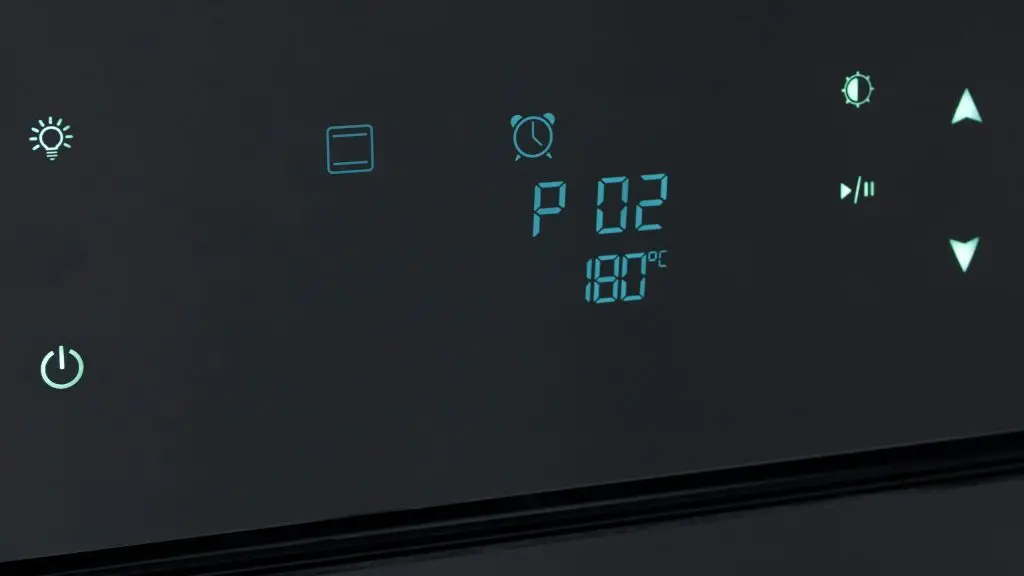
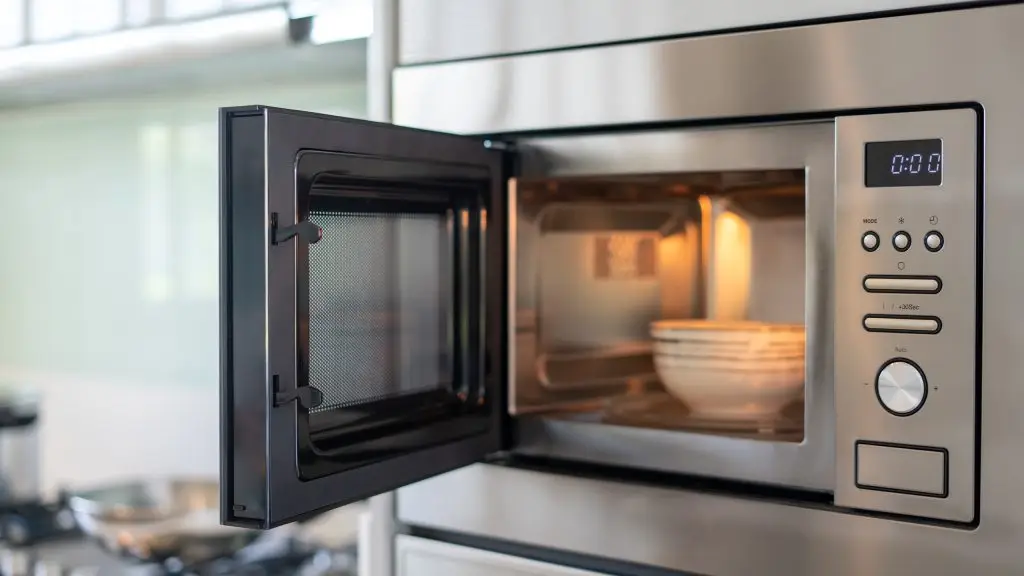
- Microwaves and coffee machines with digital displays
- Laptops, phone chargers, and smart speakers
- Wi-Fi routers and printers
How to Reduce Standby Power Consumption
- Switch appliances off at the wall when not in use
- Use smart power strips Multi-socket extensions that automatically cut power to devices when they enter standby mode. to eliminate phantom energy use
- Unplug chargers once devices are fully charged
- Enable energy-saving modes on electronics
- Look for the Energy Star A certification showing a product meets recognised energy efficiency standards. label when buying new appliances
Why It Matters
Reducing standby power consumption not only saves money but also helps lower your carbon footprint. Small changes — like switching off unused devices — can make a noticeable difference over time.
Explore More Kitchen Advice & Buying Guides
Browse our latest articles covering appliance tips, energy-saving advice, and expert guidance – designed to help you choose, use, and get the most from your kitchen appliances.