What Is the Downside of an Induction Hob?
Induction hobs have become a popular choice in modern kitchens, offering sleek design, rapid cooking, and precise control. But while they’re often praised for their high performance, induction hobs also come with a few potential downsides that are worth considering before making a purchase.
In this article, we’ll explore the main disadvantages of induction hobs, what happens if you use the wrong type of pan, why so many chefs still prefer them—and their key advantages.
What Is an Induction Hob and How Does It Work?
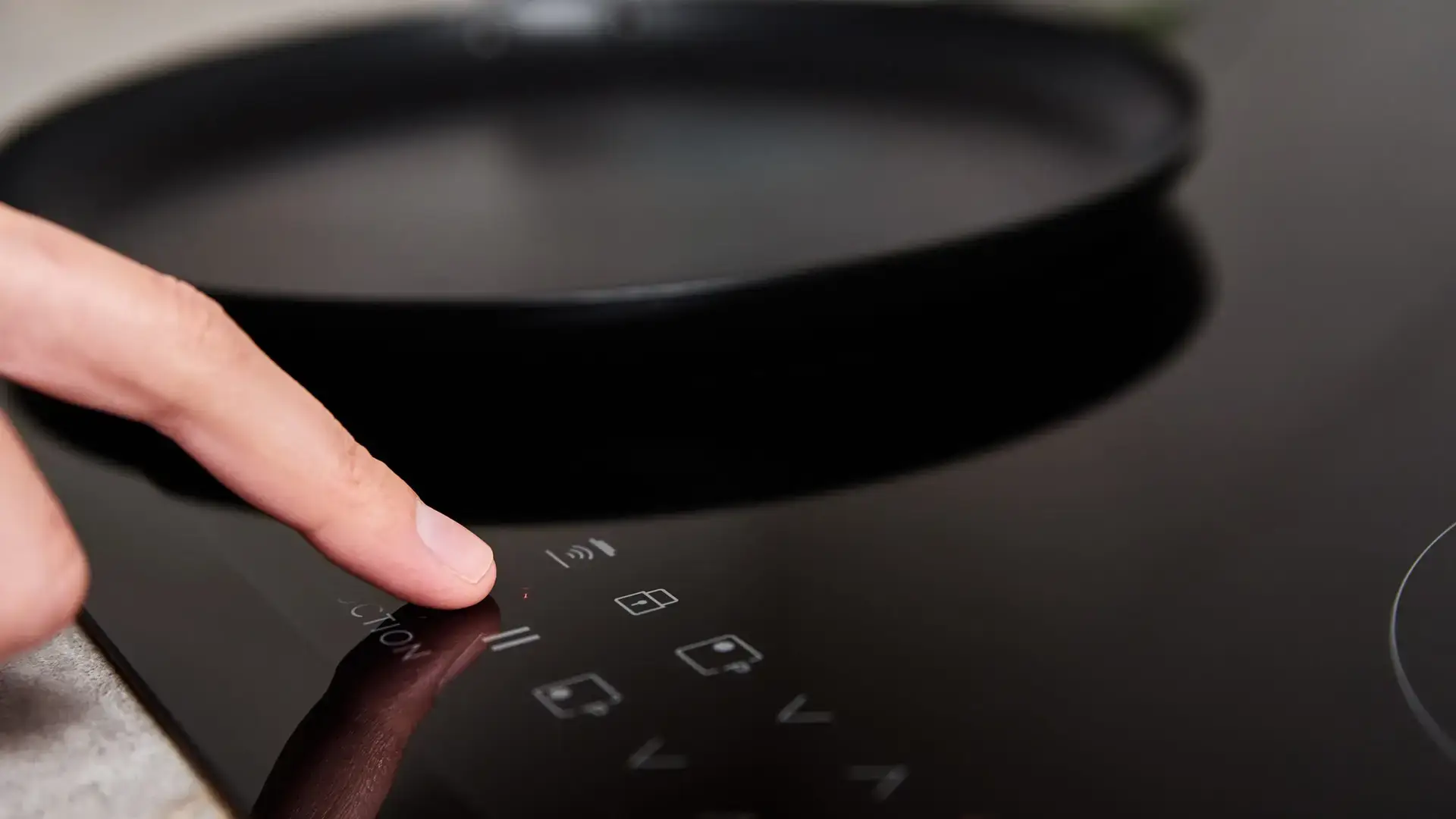
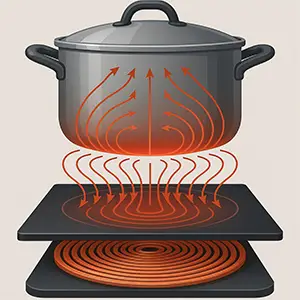
Unlike gas or traditional electric hobs, induction hobs use electromagnetic fields to heat cookware directly. When you place a compatible pan on the cooking zone, a magnetic current flows through it, heating the pan almost instantly. The glass surface itself stays relatively cool, as the heat is generated in the pan – not on the hob.
What Happens If You Put a Normal Pan on an Induction Hob?
If you place a non-magnetic (or non-induction compatible) pan on an induction hob, nothing will happen. The hob won’t detect the pan and won’t heat up. Some models may show an error message or emit a beep to let you know the pan isn’t suitable.
To work with induction, your pan must have a magnetic base. Cast iron, stainless steel, and some aluminium pans with magnetic bottoms will work. If you’re unsure, try the magnet test: if a fridge magnet sticks to the bottom of your pan, it should work on an induction hob.
What Are the Disadvantages of Induction Hobs?
While induction hobs offer impressive performance, they do have a few potential drawbacks:
- Cost: Induction hobs are generally more expensive than gas or standard electric models, especially when installation is factored in.
- Cookware compatibility: You may need to replace some of your pots and pans if they aren’t compatible with induction cooking.
- Learning curve: Controls can feel sensitive or unfamiliar if you’re used to gas or traditional electric hobs.
- Noise: Some induction hobs produce a humming or buzzing sound, particularly at higher settings or when using certain pans.
- Fragility: The glass surface is easy to clean but can scratch or crack if heavy items are dropped onto it.
- Power dependency: Unlike gas, induction hobs rely entirely on electricity—so during a power cut, you won’t be able to cook.
What Are the Advantages of Induction Hobs?
Despite the downsides, induction hobs also offer several notable benefits:
- Speed: Induction is one of the fastest cooking methods, heating food and boiling water significantly quicker than gas or electric.
- Energy efficiency: Heat is generated directly in the pan rather than the air, reducing wasted energy and improving overall efficiency.
- Safety: The hob surface stays cool to the touch, lowering the risk of burns. Most models also switch off automatically when the pan is removed.
- Precision: Excellent temperature control makes induction ideal for delicate tasks such as simmering and melting chocolate.
- Easy cleaning: With no exposed elements or flames, the flat glass surface wipes clean effortlessly.
Why Do Chefs Use Induction Hobs?
Many professional chefs are choosing induction cooking—not just at home, but in commercial kitchens too. Here’s why:
- Speed and efficiency: In fast-paced kitchens, induction offers rapid heating and instant response to temperature changes.
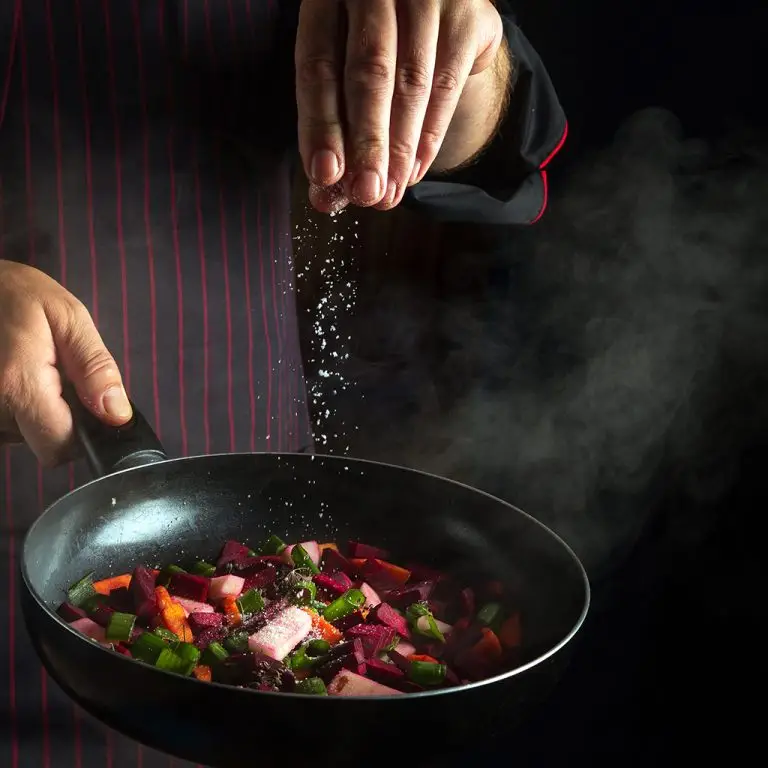
- Precision control: Perfect for sauces, reductions, and high-end dishes that require exact heat adjustments.
- Safer working conditions: The cool surface and lack of open flames reduce burn risks in busy professional environments.
- Modern kitchen design: Induction complements sleek, clean, tech-forward commercial kitchen layouts.
Many chefs now use a mix of induction and gas hobs, choosing the best heat source for each cooking task.
Conclusion (And Why People Still Choose Them)
Induction hobs offer an impressive combination of speed, efficiency, and control—but they’re not perfect. The need for suitable cookware, higher upfront costs, and reliance on electricity may not suit every household.
That said, if you’re after a modern, energy-efficient, and safe cooking experience, an induction hob could be the ideal choice. Just be sure your pans – and your expectations – are ready.