Home » Oven Guides & Advice » Which Oven Is Best for Cooking Pizza?
Which Oven Is Best for Cooking Pizza at Home?
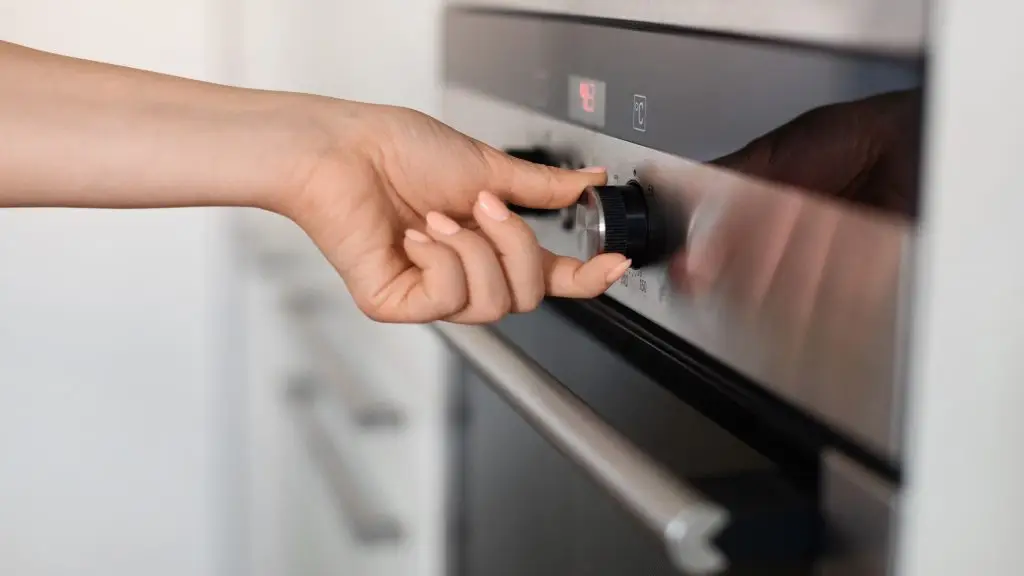
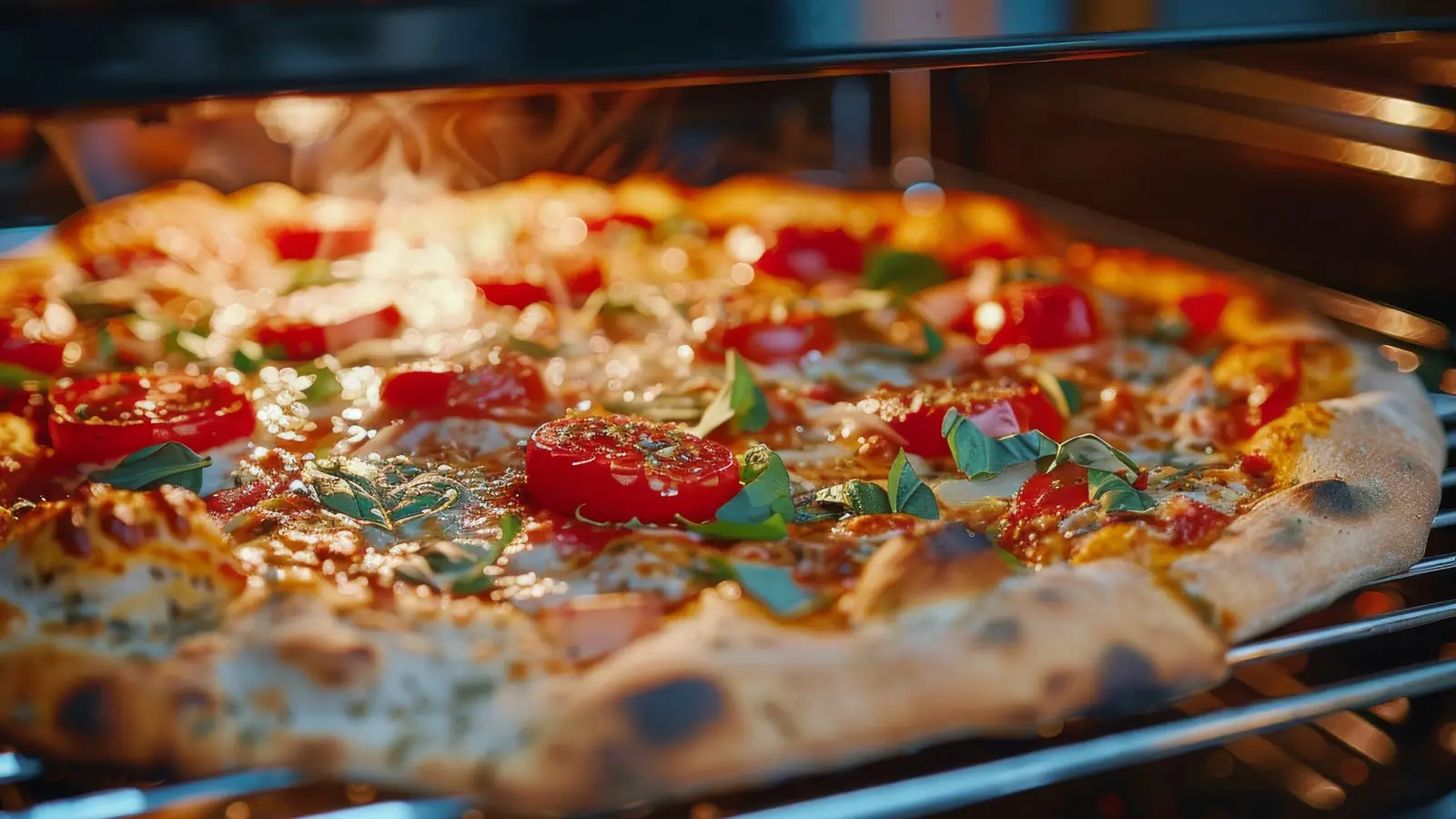
A fan oven set to its maximum temperature, typically between 220°C and 250°C, is the best option for cooking pizza at home. Fan cooking circulates heat evenly around the oven cavity, which produces a consistently crisp base and properly cooked toppings without relying on a specialist pizza oven. The key variables are temperature, preheating time, and the surface you cook on. All three are within your control with a modern built-in oven.
What makes an oven good for pizza
Traditional wood-fired pizza ovens reach temperatures of 400°C to 500°C, which cooks a pizza in under two minutes. A domestic built-in oven tops out at around 250°C, so the challenge is extracting maximum performance from a lower peak temperature. The oven features that help most are fan circulation, strong bottom heat, and rapid preheating.
Fan cooking is the single most useful function for pizza. By moving hot air continuously around the oven, it reduces the cold spots and temperature stratification that cause uneven cooking: a soggy middle while the edges char, or toppings that cook before the base has firmed up. Without fan assistance, heat rises and concentrates near the top element, which works against the crisp base that defines a good pizza.
High maximum temperature matters too. An oven that reaches 250°C will produce a noticeably better result than one capped at 220°C. If your oven has a pizza-specific programme, that is worth trying. Manufacturers often tune these to combine fan circulation with bottom heat, which mimics stone-baked conditions as closely as a domestic appliance can.
Capacity affects how large a pizza you can cook. A standard 60cm oven accommodates a 30cm pizza comfortably; a larger-capacity model gives more clearance and room to work with bigger or multiple bases.
Best oven settings for pizza
| Setting | How it works | Best used for |
|---|---|---|
| True fan (fan only) | Circulates hot air from the rear element evenly around the cavity | Most pizzas: gives consistent base and topping results |
| Fan with grill | Combines rear fan with the top grill element | Finishing a pizza to get golden, bubbling cheese without overcooking the base |
| Top and bottom heat | Uses both elements without fan circulation | Acceptable if fan is unavailable; position pizza low in the oven |
| Pizza programme | Manufacturer-tuned combination of fan and base heat | Where available: often the best single-setting option |
| Grill only | Top element only | Finishing toppings for the last 1 to 2 minutes only; not for full cooking |
Temperature matters as much as mode. Always set the oven to its highest available temperature before loading the pizza. Thin-crust pizzas generally cook in 7 to 10 minutes at 250°C; thicker bases need 12 to 15 minutes. Preheating is not optional: a cold oven means the base steams rather than crisps during the first few minutes, and recovery is difficult from there.
Pizza stone, baking tray, or oven rack
The surface you cook on has a significant effect on base quality. Each option suits a different situation.
Baking tray (standard)
A heavy metal baking tray is the most accessible option and works well when preheated before loading. Place the empty tray on the lowest shelf and let it heat for at least 15 minutes alongside the oven. Sliding the pizza onto a hot surface starts crisping the base immediately. A perforated pizza tray (the type with small holes) improves air circulation under the base and is a worthwhile buy for regular pizza cooking.
Pizza stone
A pizza stone absorbs heat during preheating and then releases it directly into the dough, which most closely mimics the effect of a brick oven. The result is a crisper, more evenly cooked base with a better texture overall. The stone needs 30 to 45 minutes to reach full temperature, so planning time is important. Place the stone in a cold oven and bring it up to temperature gradually to avoid cracking from thermal shock.
Oven rack (direct)
Placing a pizza directly on the oven rack is sometimes suggested as a way to maximise base airflow. It works for thin-crust styles but risks toppings falling through and makes removal awkward. A preheated tray is generally more practical and gives comparable results.
Practical tip
If you do not own a pizza stone, an inverted heavy baking sheet preheated for 20 minutes produces a very similar result at no extra cost. The upturned surface gives you a flat, hot platform to slide the pizza onto, without the rim that makes loading difficult.
Frozen pizza vs homemade dough
The approach varies meaningfully depending on whether you are cooking a supermarket frozen pizza or working with fresh dough.
Frozen pizza
Most frozen pizzas are designed to cook from frozen on a standard baking tray at around 200°C to 220°C on a fan setting. Follow the packaging temperature; manufacturers calibrate their instructions for domestic ovens. The main improvement you can make is preheating the tray rather than placing a cold pizza on a cold surface, which produces a noticeably crisper base. Avoid overloading with extra toppings before cooking, as additional moisture leads to a soggy result.
Homemade dough
Fresh dough benefits from the highest temperature your oven can reach. The rapid heat causes the water in the dough to turn to steam quickly, creating the pockets and chew that characterise a good crust. At 250°C with true fan cooking, a thin homemade pizza typically takes 7 to 10 minutes. Let the dough come to room temperature before stretching, as cold dough is difficult to shape and tends to shrink back.
Keeping toppings minimal is important for both styles. A heavy topping load releases moisture during cooking, which the base cannot absorb quickly enough at domestic oven temperatures. Tomato sauce spread thinly, a moderate layer of mozzarella, and a few toppings consistently outperform the heavily loaded version in a home oven.
CATA ovens suited to pizza cooking
Any oven in the CATA single oven range with true fan cooking and grill functions will produce excellent results for pizza. The three models below represent different capacity and budget points, all sharing the cooking functions that matter most.
CATA UBO753SS
78-litre stainless steel single oven with true fan cooking and grill. The larger cavity gives more clearance for bigger pizza bases and suits households cooking for four or more.
View ovenCATA CAT72MFBK
72-litre black glass multifunction oven with true fan cooking across multiple programmes. A flexible choice that handles pizza, roasting, and baking with equal reliability.
View ovenCATA CUL57MMBK.1
54-litre black single oven with true fan and grill. Suited to smaller kitchens or households cooking for one or two, without compromising on the cooking functions needed for good pizza.
View ovenPractical tips for better results
The oven is the most important variable, but technique makes a considerable difference even with the same appliance. These are the habits that consistently improve results in a domestic oven.
Preheat for longer than you think is necessary
Most ovens indicate they have reached temperature when the element cuts out and the indicator light changes, but this reflects air temperature rather than the temperature of the oven walls, shelves, and any cooking surface. For pizza, allow an extra 10 to 15 minutes beyond the ready indicator before loading. If using a pizza stone, the minimum preheat is 30 minutes from cold.
Use the lowest shelf position
Placing the pizza on the lowest shelf brings it closest to the floor element (where fitted) and the hottest zone in most fan ovens, which drives more heat into the base. For the final two minutes, switching to fan with grill and moving to a higher shelf finishes the top quickly without undercooking underneath.
Do not open the oven door during cooking
Each time the door opens, the oven loses a significant portion of its accumulated heat. At 250°C, temperature recovery takes several minutes, and a pizza is often done in under ten. Set a timer and leave the oven closed.
Drain wet ingredients before using them as toppings
Fresh mozzarella balls contain a large amount of water. Tear the mozzarella and leave it on kitchen paper for a few minutes before applying it to the base. The same applies to tinned tomatoes used as sauce: reduce them briefly in a pan or use passata rather than whole chopped tomatoes, which release their liquid during cooking and saturate the base from above.
Frequently asked questions
Set your fan oven to its maximum temperature, ideally 250°C. If your oven tops out at 220°C or 230°C, use that. Higher temperatures produce a crispier base and better-risen crust because the rapid heat converts moisture in the dough to steam quickly. A thin pizza will take around 7 to 10 minutes at 250°C; a thicker base needs 12 to 15 minutes.
Fan oven. The circulating air gives much more even results: base and toppings cook at a consistent rate rather than the top cooking faster than the bottom. In a conventional oven with no fan, heat rises and concentrates near the top element, which often leads to overcooked toppings and an undercooked or soggy base. If your oven has both modes, always use fan for pizza.
No. A pizza stone improves results, particularly for homemade dough, but a heavy baking tray preheated in the oven achieves a similar effect. The important thing is the hot surface: placing a pizza on a cold tray loses the heat-transfer advantage that produces a crisp base. If you want to replicate pizza stone conditions without buying one, invert a heavy baking sheet and preheat it for at least 20 minutes before sliding the pizza onto it.
Start on the lowest shelf to drive heat into the base. If the top of the pizza needs finishing (the cheese is not yet golden), move it to the middle shelf for the final two minutes, or switch to the fan with grill setting briefly. Avoid the top shelf for the full cook, as this concentrates too much heat on the toppings before the base is ready.
The most common causes are an oven that was not fully preheated, a cold cooking surface, too many wet toppings, or too much sauce. Ensure the oven and any tray or stone are fully up to temperature before loading. Drain or dry wet ingredients such as fresh mozzarella and tinned tomatoes before applying them. Keep the sauce layer thin. If the base is cooking too slowly compared to the toppings, move the pizza to a lower shelf position for the bulk of the cooking time.
Yes, if the oven cavity is large enough to accommodate two trays without overlapping, and if you have adequate clearance between shelves for heat to circulate. Fan ovens handle multi-shelf cooking better than conventional modes because the circulating air evens out temperature differences between levels. Rotate the pizzas halfway through cooking if results are uneven between the two shelves. A 72-litre or 78-litre oven is better suited to this than a 54-litre model.
Key takeaways
- A fan oven at maximum temperature (220°C to 250°C) is the best domestic option for cooking pizza, producing even heat distribution and a consistently crisp base.
- Always preheat fully, including any baking tray or pizza stone, before loading. Allow at least 10 to 15 minutes beyond the ready indicator for the oven walls and shelf to reach full temperature.
- True fan cooking is the best all-round setting. Fan with grill is useful for finishing the top in the final one to two minutes.
- Cook on the lowest shelf to drive heat into the base, then move higher briefly if the toppings need more colour.
- A pizza stone improves base texture, but a preheated heavy baking tray gives comparable results and most households already own one.
- Keep toppings minimal and drain wet ingredients such as fresh mozzarella before use. Excess moisture is the most common cause of a soggy base in a home oven.
Explore More Kitchen Advice & Buying Guides
Browse our latest articles covering appliance tips, energy-saving advice, and expert guidance – designed to help you choose, use, and get the most from your kitchen appliances.