
Why Your Induction Hob Detects the Wrong Pan Size
If your induction hob seems to recognise the wrong pan size, heats only part of the base, or refuses to activate at all, it can feel like something is wrong with the appliance. In many cases, though, the issue is actually down to the pan rather than the hob itself.
Induction cooking works differently from gas or ceramic hobs. Instead of heating the whole cooking zone first, it transfers energy directly into the pan base. That means the hob is reading the part of the cookware it can actually detect, not necessarily the size printed on the box or the width across the rim.
How Induction Hobs Detect Pan Size
Under each cooking zone are coils that generate a magnetic fieldAn invisible field created by electricity that transfers energy directly into compatible cookware.. When a suitable pan is placed on the glass, the hob detects the magnetic material in the base and sends energy into that area.
Because of this, the hob focuses on the part of the pan base making usable contact with the zone. If the base is small, slightly curved, or only partly magnetic, the appliance may appear to detect the “wrong” size even though it is working exactly as designed.
Why the Detected Pan Size Can Seem Wrong
The pan base is smaller than the top
Many saucepans and frying pans widen towards the rim. From above, they look larger than they really are where it matters. On an induction hob, it is the flat base diameter that counts, not the overall width of the cookware.
The magnetic layer does not cover the full base
Some pans are labelled as induction compatible, but the magnetic material may be concentrated in one section rather than across the full underside. This can make the hob heat a smaller area than you expect.
The base is warped or uneven
If a pan has become slightly bowed over time, it may not sit flat on the glass. That reduces effective contact and can affect both pan detection and heating performance.
The pan is too small for the selected zone
Even though many modern hobs are flexible, each zone still has a minimum pan size it can reliably detect. If the cookware is much smaller than the zone, the hob may pulse, reduce power, or fail to activate properly.
The hob is protecting efficiency and safety
Induction technology is designed to avoid wasting energy outside the cookware base. If the pan is not suitable, the hob may intentionally limit output rather than heating inefficiently.
| Reason | What you may notice | What it usually means | Best fix |
|---|---|---|---|
| Small flat base | Only part of the zone heats | The usable pan base is smaller than it looks | Choose a pan with a wider flat underside |
| Weak magnetic base | Slow response or no detection | The pan is not fully suitable for induction | Use stronger induction-compatible cookware |
| Warped pan | Uneven heating | The base is not making even contact | Replace damaged cookware |
| Zone mismatch | Power drops or the zone switches off | The pan is too small for the selected area | Match the pan to a smaller zone |
Signs the Pan Is the Real Problem
If your hob works normally with one pan but struggles with another, that is a strong sign the cookware is causing the issue. Typical clues include:
- one pan heats quickly while another is barely detected
- the hob flashes or shows a pan warning symbol
- heat is concentrated only in the centre of the pan
- the zone keeps switching on and off
- the pan works on one zone but not as expected on another
Does Pan Shape Matter on an Induction Hob?
Yes. Flat-bottomed cookware usually gives the best results because more of the base sits evenly over the zone. Round-bottomed, ridged, or heavily textured bases can reduce contact and lead to inconsistent heating.
Square griddles, oval dishes, and oversized pans can also behave differently depending on the hob layout. On a model with flexible cooking zones, larger cookware may be handled more effectively. On standard zones, however, the base still needs to align well with the active coil area.
Why It Happens More with Certain Types of Cookware
Lightweight pans
Lighter cookware can sometimes have thinner or less stable bases, which may affect contact and evenness.
Budget induction pans
Some lower-cost options are technically compatible but do not always deliver the same full-base performance as better-made cookware.
Older pans
Repeated heating and cooling can gradually distort the base. A pan that used to work well may become less reliable over time.
Decorative or specialist cookware
Pans designed for appearance first may not always have an ideal induction-ready base, especially if the underside is patterned or uneven.
How to Fix Incorrect Pan Size Detection
In most kitchens, the solution is straightforward. Start with the cookware before assuming the hob needs attention.
- Use pans with a flat, fully magnetic base
- Check the base diameter rather than the rim diameter
- Match smaller pans to smaller cooking zones where possible
- Keep the glass surface clean so the pan sits properly
- Replace pans that rock, wobble, or have warped bases
- Try another induction-compatible pan to compare performance
| Pan feature | Better for induction? | Why it matters |
|---|---|---|
| Flat base | Yes | Improves contact and helps the hob detect the pan correctly |
| Wide magnetic underside | Yes | Allows the cooking zone to heat a larger usable area |
| Warped base | No | Reduces contact and can cause uneven heating or poor detection |
| Very small base on a large zone | No | May fall below the zone’s minimum detection range |
Could It Be a Fault with the Hob?
Sometimes, but not usually. If several known induction-compatible pans all fail across multiple zones, then it is worth investigating further. A persistent issue with detection on every zone could point to a technical problem.
Before assuming that, test the hob with cookware you know works properly. If one pan performs well and another does not, the appliance is most likely behaving normally.
Choosing Better Cookware for More Reliable Results
When buying new cookware, focus on the base specification rather than the overall pan size. Look for a sturdy, flat underside and clear induction compatibility information. This makes it easier for the hob to detect the pan accurately and heat it more evenly.
If you are comparing appliances too, it may help to explore the CATA hob range or read more cooking guidance on the CATA blog.
Final Thoughts
If your induction hob detects the wrong pan size, the most common reason is that the real usable base of the pan is smaller, less magnetic, or less flat than expected. In other words, the hob is usually reading what is genuinely there rather than making a mistake.
Once you understand how induction cooking works, it becomes much easier to choose the right cookware, match pans to zones properly, and get the fast, efficient performance induction is known for.
- All Posts
- Cooker Hood Guides & Advice
- Dishwasher Guides & Advice
- General Appliance Guides & Advice
- Hob Guides & Advice
- Laundry Guides & Advice
- Microwave Guides & Advice
- Oven Guides & Advice
- Wine Cooler Guides & Advice
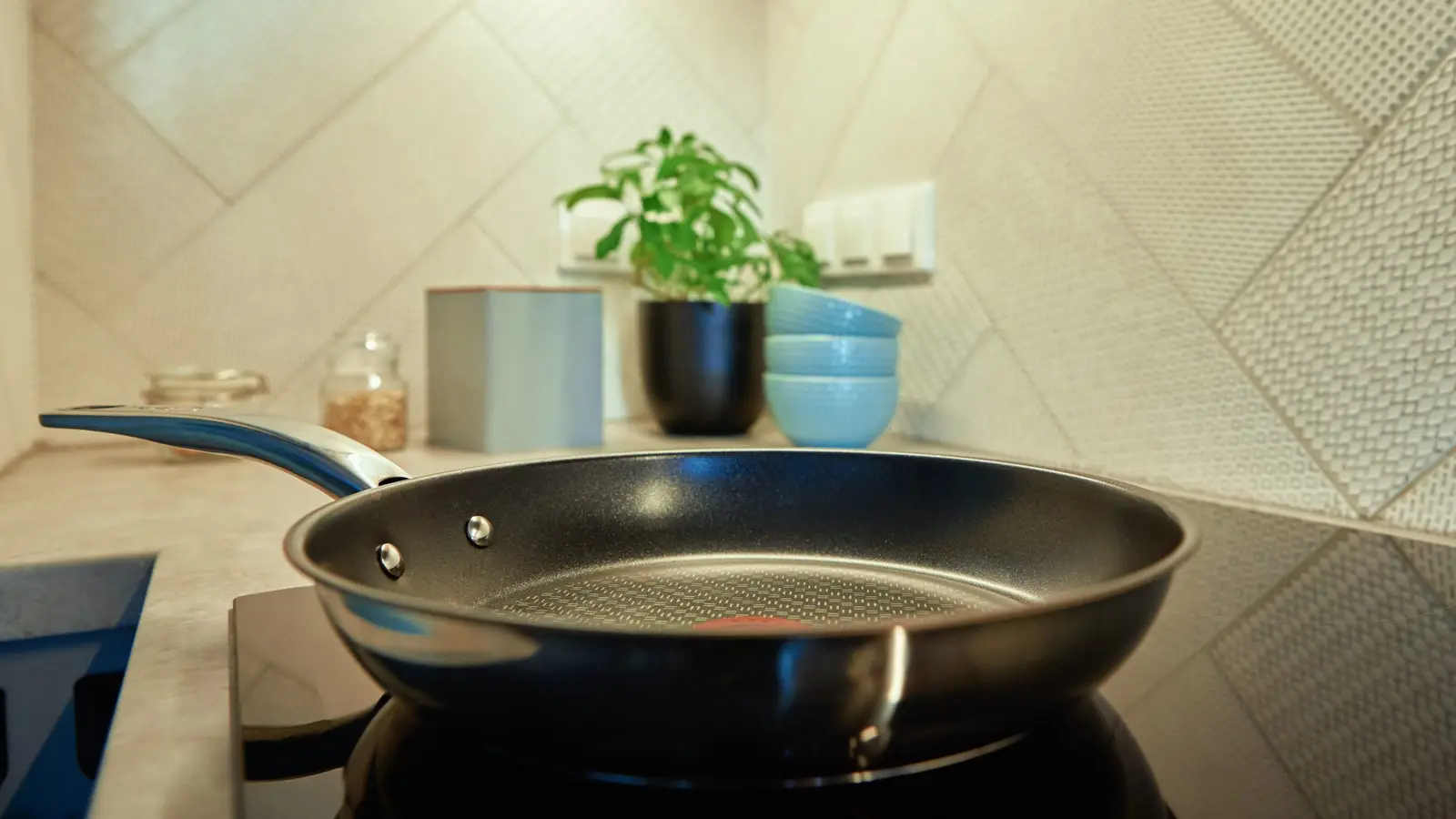
If your induction hob detects the wrong pan size, learn the causes and how to fix it. Improve cooking performance...
Struggling with uneven bakes? Learn how to fix hot spots, calibrate your oven, and improve temperature accuracy for perfect cooking...
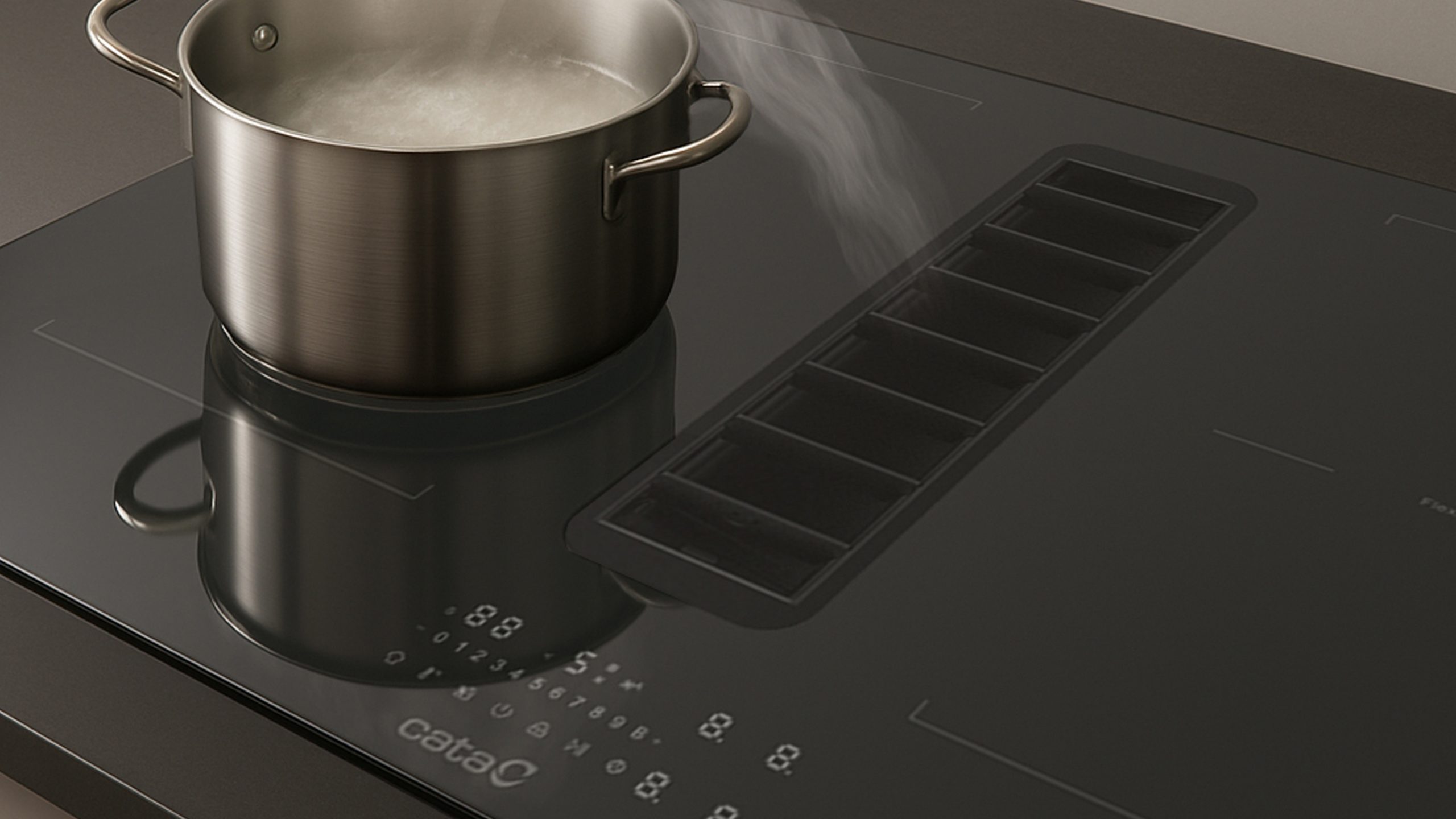
Discover how vented induction hobs work and why they’re ideal for modern kitchens. Explore the CATA range and the CATDD77CHF...