Home » Hob Guides & Advice » Why Your Induction Hob Detects the Wrong Pan Size
Why Your Induction Hob Detects the Wrong Pan Size
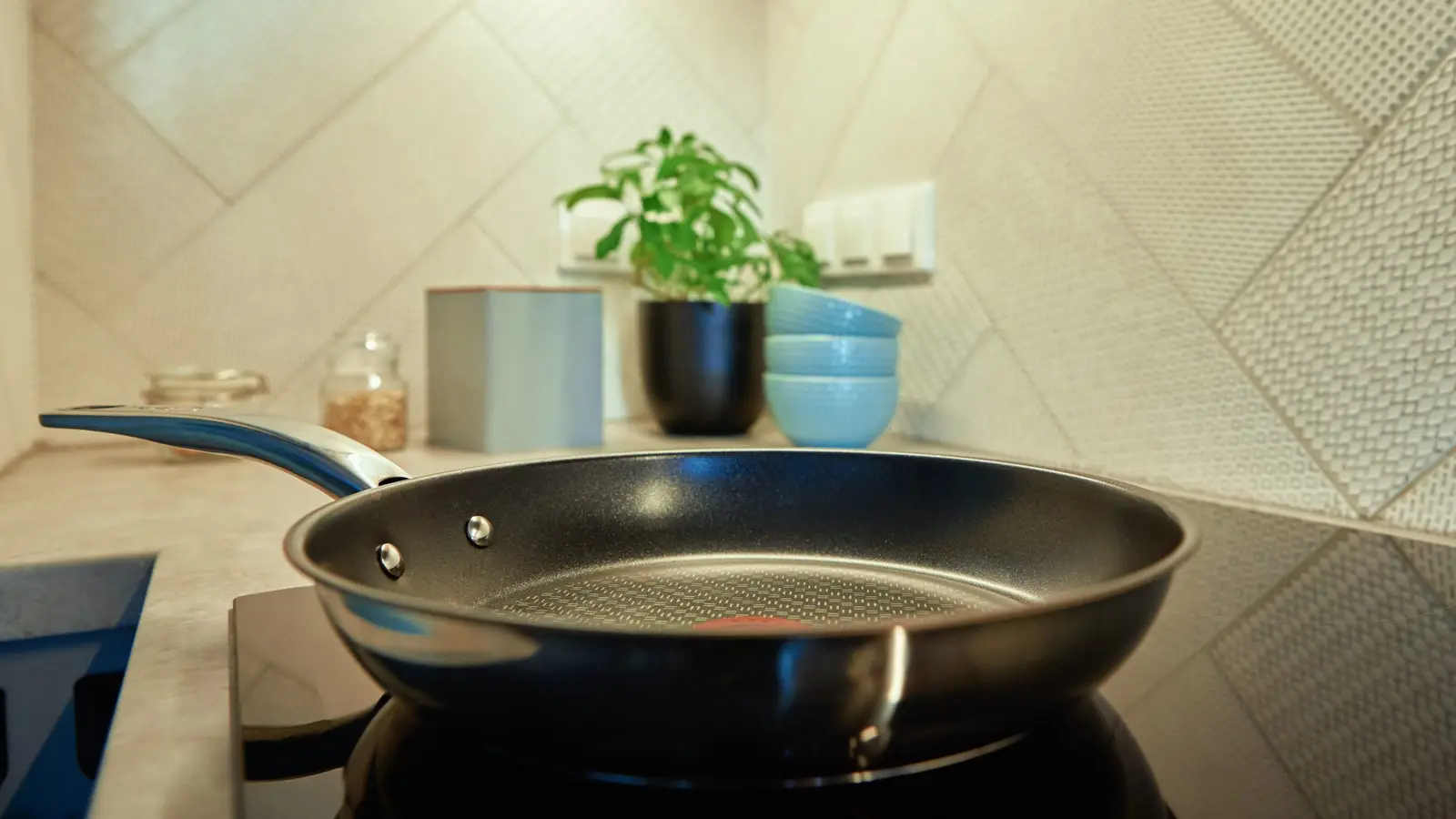
An induction hob does not see the pan you place on it. It measures the magnetic footprint of the pan base. This is an important distinction. The visual diameter of a pan (measured at the widest point of the rim) can be significantly larger than the usable magnetic base that the coil actually detects. A 24cm pan with a 16cm magnetic base registers as a 16cm pan to the hob, regardless of how it looks from above.
This mismatch between visible size and detected size is the source of most pan detection complaints that are not actually faults.
Why the detected size differs from the physical size
What incorrect detection looks like in practice
The most common symptom is uneven heating: the centre of the pan heats well but the edges remain cooler. This reflects a partial magnetic base or a bowed base where only the centre contacts the glass. A pan that heats only in a ring has the opposite problem: the centre is not magnetic but the rim area is, which is an unusual but possible base construction in some multi-layer pans.
Power that cuts out mid-cook or cycles on and off usually means the pan base is borderline in size or has a weak magnetic layer. The hob detects the pan intermittently rather than consistently. This is different from a hob that will not detect the pan at all, which is covered in the companion pan recognition troubleshooting guide.
To check whether the detected size is a pan issue or a hob issue: try the same pan on a different zone. If detection is consistent across zones, the pan is the variable. If one zone behaves differently from others with the same pan, there may be a coil issue on that specific zone worth reporting to CATA product support.
Choosing pans that detect correctly
The best-performing pans for induction have a flat, full-diameter magnetic base that extends to the full outer edge of the base rather than a smaller inset disc. Tri-ply and multi-ply stainless pans with a fully bonded magnetic outer layer tend to detect most reliably. Heavy-gauge cast iron and carbon steel pans typically have excellent full-base magnetism and minimal base distortion.
When buying pans specifically for induction, check the base diameter rather than the rim diameter and compare it to the zone sizes on your hob. Matching the pan base to the zone (or staying within one to two centimetres either way) gives the most consistent detection and heat distribution.
For the full pan recognition troubleshooting sequence including pans that will not detect at all, see why won’t my induction hob recognise the pan. For stainless steel compatibility in detail, see can you use stainless steel pans on an induction hob. Browse the CATA induction hob range for current models.
Explore More Kitchen Advice & Buying Guides
Browse our latest articles covering appliance tips, energy-saving advice, and expert guidance – designed to help you choose, use, and get the most from your kitchen appliances.