Induction Hob Boost Mode Explained
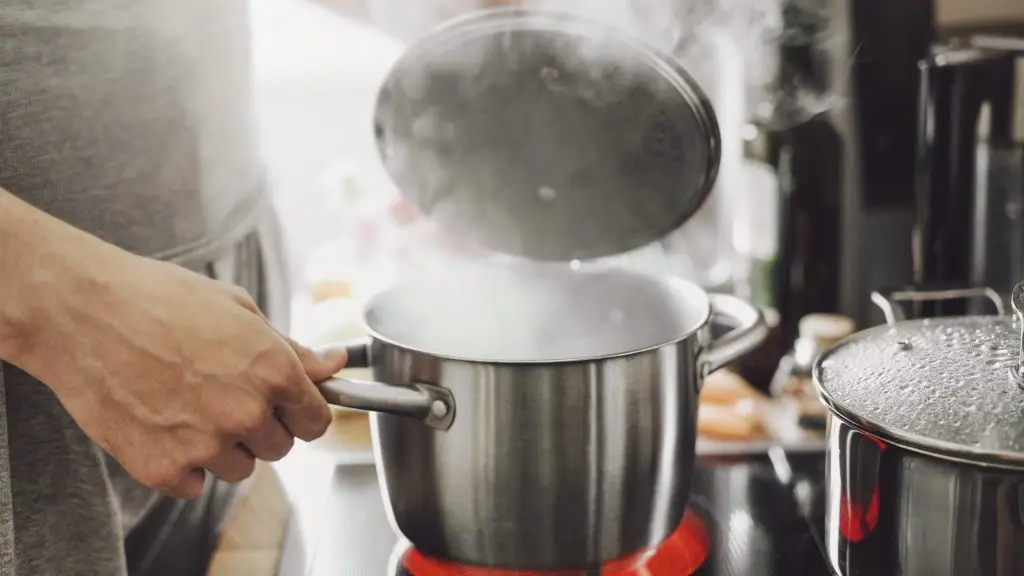
Boost mode is a function found on most modern induction hobs that delivers maximum power to a single cooking zone for a short period. It is the fastest way to bring a large pan of water to the boil, get a heavy cast iron pan up to searing temperature, or recover temperature quickly after adding cold food to a hot pan. Once the task is done, you step the zone back to the appropriate cooking level.
How it works
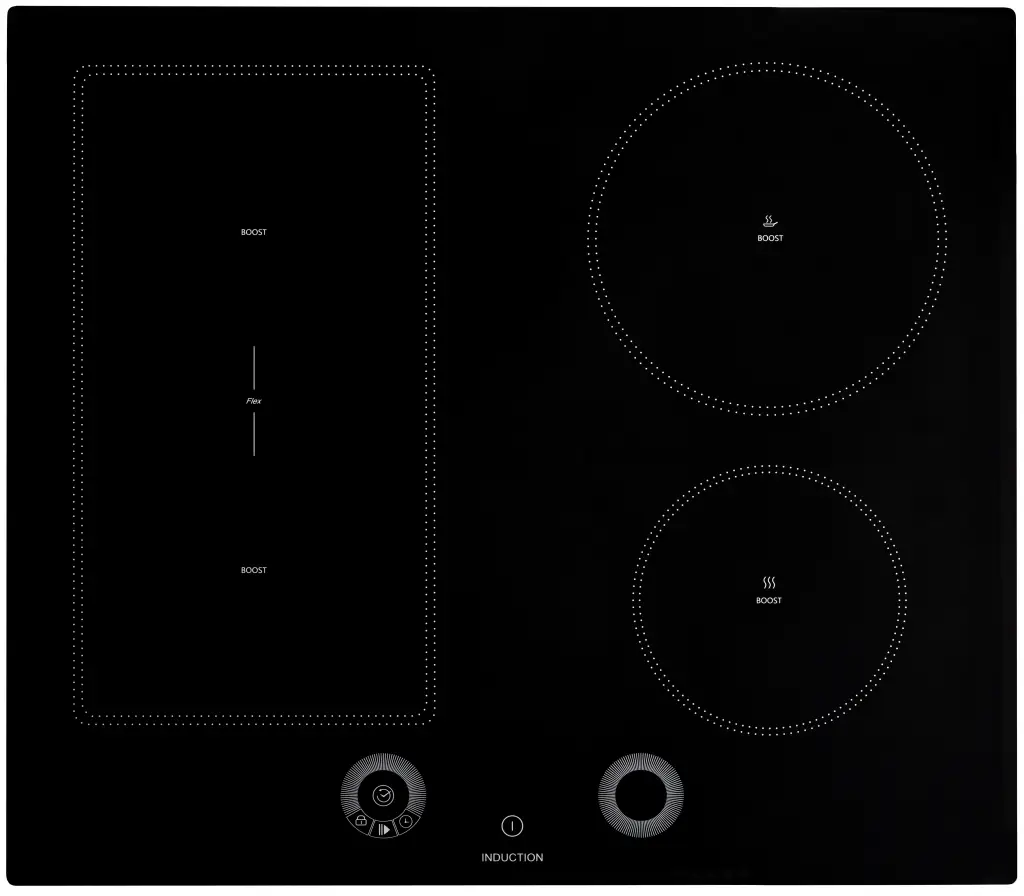
An induction hob has a total power capacity shared across all zones. At normal power levels, that capacity is distributed between however many zones are active. Boost mode works by temporarily borrowing power from other zones and directing it to the boosted zone, allowing it to operate above its standard maximum power level. A typical single zone runs up to around 2.2 to 2.4kW at standard maximum; boost can push this to 3.2 to 3.7kW.
This is why activating boost on one zone can cause a visible reduction in the heat output of another zone running simultaneously. The hob is redistributing a fixed total power budget rather than generating additional power. On hobs with a power management indicator, you may see this displayed in real time.
When to use it
| Task | Why boost helps | After boost |
|---|---|---|
| Boiling a large pot of water | Cuts boiling time significantly vs standard max power | Reduce to simmer once boiling |
| Searing meat | Gets heavy pans to high temperature quickly | Reduce to cooking level for the remainder |
| Temperature recovery | Restores pan temperature quickly after adding cold food | Step back down once recovered |
| Deep frying | Brings oil to temperature faster; holds temperature when food is added | Adjust carefully. Oil temperature is harder to control at full boost |
How long does boost last?
Boost mode is time-limited on all hobs to protect the electronics from sustained overload. The limit is typically 5 to 10 minutes depending on the model, after which the zone automatically steps down to standard maximum power. The zone continues cooking at that lower level rather than switching off.
This step-down is the source of a common experience: a pan of water that was boiling vigorously slows to a gentle boil after several minutes, without the cook having changed anything. The hob has simply ended the boost period automatically. For most tasks this does not matter. The pan is already at the target temperature by the time boost ends.
Boost mode draws more energy in the short term but typically reduces total energy used per task because the cooking time is shorter. For everyday large-volume boiling, using boost to reach temperature then stepping down to the lowest effective simmer level is the most energy-efficient approach.
For the full picture on induction hob power settings and how they affect cooking, see the induction hob beginner’s guide. Browse the CATA induction hob range for current models with boost mode across 60cm and 90cm formats.