Home » Oven Guides & Advice » Can You Leave Oven Trays Inside While Preheating?
Can You Leave Oven Trays Inside While Preheating?
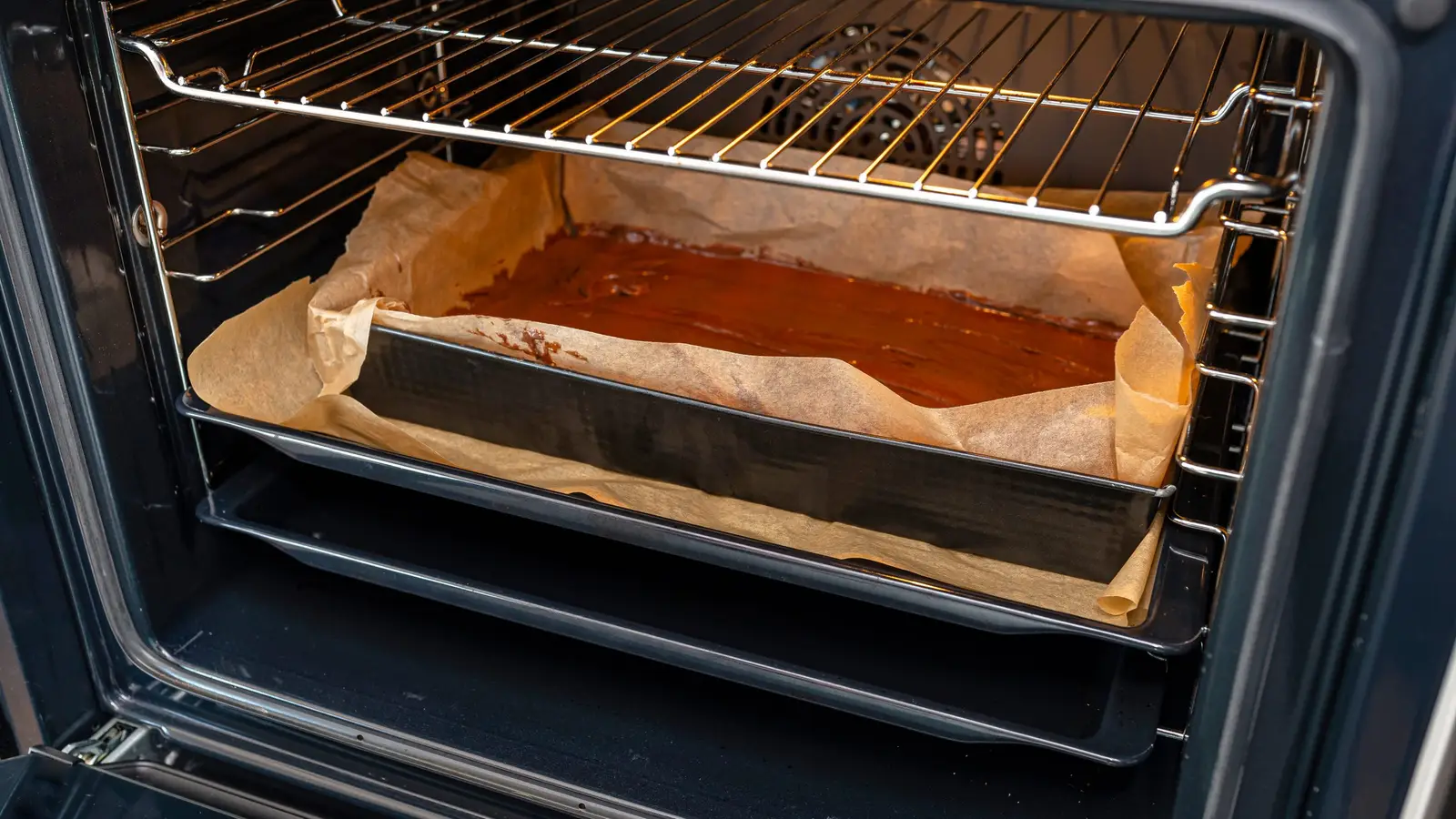
Yes, you can leave oven trays inside while preheating, and in many situations it is actually a smart cooking technique. A hot tray can help food start cooking straight away, which often improves crispness, browning, and texture. That said, it is not the best approach for every recipe. Some foods benefit from a hot tray, while others are better started on a cold one.
If you have ever wondered whether you should leave your oven tray in while the oven heats up, the short answer is this: it is usually safe for standard metal trays, but it depends on what you are cooking and what the tray is made from. Understanding when to do it — and when not to — can help you get better results and avoid unnecessary risk.
Quick answer: Leaving an empty oven tray inside during preheating is normally fine, and can be helpful for foods like chips, pizza, roast vegetables, and pastries. However, it is less suitable for biscuits, cookies, delicate bakes, or trays with coatings or components that are not designed for prolonged high heat.
Is it safe to leave oven trays inside while preheating?
In most cases, yes. Standard metal baking trays and roasting trays are built to withstand oven temperatures, so leaving them inside during preheatingThe stage where the oven heats up to the selected temperature before cooking starts. is generally safe. Many people do this deliberately because it gives food an instant heat boost once it is placed on the tray.
However, safe does not always mean ideal. A tray that can cope with oven heat may still be the wrong choice for certain recipes. For example, a hot tray can be excellent for roasting potatoes, but a poor choice for cookie dough that needs a controlled, even start.
The biggest thing to watch is the tray itself. If it has plastic grips, low-quality non-stick coating, warping, or unknown temperature limits, repeated high-heat preheating may not be a good idea. This is especially important with older trays that have seen a lot of use and may already be damaged.
Important: Always check the tray manufacturer’s instructions where possible. Not every oven tray, liner, or accessory is designed for the same temperatures, and some coated surfaces can deteriorate more quickly when exposed to intense heat for long periods.
Why preheating a tray can improve cooking
Preheating an oven tray works for the same reason a hot frying pan works better than a cold one: the food starts cooking immediately on contact. Instead of gradually warming the tray and the food together, the tray is already hot enough to transfer heat straight into the base of the food.
This can make a real difference to texture. For foods where you want crispness, browning, or a firmer underside, a preheated tray often improves the final result.
Better browning
A hot tray encourages faster caramelisation and browning underneath the food. This is especially helpful for roast vegetables, which can otherwise steam if they sit on a cold surface at the start of cooking.
Crispier textures
Frozen chips, wedges, and breaded foods often turn out crisper when placed on a hot tray. The immediate contact heat helps moisture evaporate faster, which is exactly what you want when aiming for a golden finish.
Improved pastry and pizza bases
Pizza, flatbreads, and some pastry items can benefit from a preheated tray because it helps set the base quickly. That makes it easier to avoid a soft or underdone bottom.
More effective roasting
Roast potatoes, carrots, parsnips, peppers, and similar vegetables often get better colour and texture from a tray that is already hot. For many cooks, this is one of the easiest ways to improve oven-roasted food without changing the recipe.
Top tip: If you want a dish to start sizzling as soon as it hits the tray, preheating the tray usually helps. If the food needs a gentler, slower start, use a room-temperature tray instead.
Which foods are best on a hot oven tray?
Some foods are particularly well suited to a preheated tray because they benefit from quick, direct heat from underneath. These include:
- Roast potatoes for a crispier outer layer
- Frozen chips and wedges for better crunch
- Pizza and garlic bread for a firmer base
- Roast vegetables for more browning and less steaming
- Puff pastry snacks for a better rise and crisper finish
- Yorkshire puddings when the fat is heated first
These are the kinds of dishes where a preheated tray makes practical sense, because the extra burst of heat helps develop texture from the very beginning.
When you should avoid doing it
Although preheating a tray has clear advantages, there are times when it is better not to do it.
For cookies and biscuits
Cookie dough placed on a hot tray can begin melting and spreading before it has a chance to set properly. That often results in flatter, less even biscuits. For this reason, most biscuit and cookie recipes work better on a cool tray.
For delicate traybakes and sponge-based bakes
Many cakes and delicate bakes benefit from a more gradual build-up of heat. A preheated tray can interfere with the intended texture or make the base cook too fast.
When the tray has a delicate coating
Some non-stick trays are perfectly oven-safe, but not all coatings respond well to repeated high-temperature exposure. Over time, aggressive heating can reduce the life of the coating, especially if the tray is already scratched or worn.
When handling would be awkward
A very hot tray is harder to load neatly and safely. If you are transferring oily foods, large items, or something that needs arranging carefully, starting with a cold tray may simply be more practical.
When the recipe specifically calls for a cold start
Some recipes are designed around food warming up with the tray rather than hitting a hot surface straight away. In these cases, it is best to follow the method given.
Best types of oven tray for preheating
Not all trays perform equally well. Material, thickness, and construction all affect how a tray responds to preheating.
| Tray type | Suitable for preheating? | Why | Best uses |
|---|---|---|---|
| Heavy-gauge metal tray | Yes | Retains heat well and resists warping better than thinner trays | Roast vegetables, chips, pizza, pastries |
| Aluminium tray | Usually yes | Heats up quickly and gives strong contact heat | General baking and roasting |
| Dark non-stick tray | Sometimes | Browns food quickly but should stay within the maker’s heat guidance | Everyday oven use where temperatures are moderate |
| Enamel roasting tray | Yes | Durable and well suited to roasting | Meat, vegetables, hearty traybakes |
| Thin lightweight tray | Not ideal | More prone to buckling and uneven heating | Light baking rather than high-heat roasting |
| Tray with plastic or unknown parts | No | Too much uncertainty around heat resistance and durability | Best avoided for preheating |
Does leaving a tray inside affect preheating time?
Yes, but usually only slightly. Because the oven has extra metal to heat, it may take a little longer to reach the target temperature. In a modern oven, though, the difference is often small enough that the better cooking result outweighs the extra minute or two.
If your appliance has a rapid preheat setting, that can reduce the impact even further. If you are comparing models or planning an upgrade, you can browse the CATA oven range to see built-in options designed for practical day-to-day cooking performance.
It is also worth remembering that opening the door unnecessarily during preheating lets heat escape, which slows everything down far more than leaving one tray inside. Good preheating habits matter just as much as the tray itself.
Can you leave multiple trays in while preheating?
You can, but it is not always a good idea. Multiple trays mean more metal to heat, more obstruction to airflow, and less efficient circulation in a fan oven. If you only need one tray, it is generally better to preheat just one.
In a fan oven, clear airflow is important for even cooking. Too many trays inside the cavity can reduce the very benefit that fan cooking is meant to provide. For the best results, only keep in the tray or shelf you actually plan to use.
How to do it safely
Leaving an oven tray inside while preheating is simple, but a few good habits make it far safer and more effective.
- Use a sturdy tray in good condition: warped or damaged trays are more likely to cook unevenly.
- Preheat the tray empty unless the recipe says otherwise: this gives you better control and avoids unnecessary mess.
- Use proper oven gloves: a hot tray can cause a serious burn in seconds.
- Load the food carefully: pull the shelf out slightly rather than lifting the tray out fully where possible.
- Do not overcrowd: too much food cools the tray surface and reduces the crisping effect.
- Shut the oven door promptly: this keeps the heat stable and avoids wasting energy.
Safety reminder: Burns from oven trays are a common kitchen accident. For basic first-aid advice, the NHS burns and scalds guidance is a useful reference.
What about foil, baking paper, or liners?
You need to be a little more careful here. A tray itself may be perfectly safe to preheat, but extra materials placed on it may not behave in the same way. Baking paper, reusable liners, and foil all have their own temperature limits and safe-use guidance.
For example, loose lightweight paper or foil should never be left in a way that allows it to move freely inside the oven. If you use liners or parchment, check that they are suitable for the temperature you are cooking at and fit the tray properly.
As a general rule, preheat the tray, then add the liner if needed, unless the product instructions specifically say otherwise.
Is it worth doing every time?
Not necessarily. Preheating the tray is a useful technique, but it is not a rule you need to follow for every single meal. It makes the biggest difference when texture matters — particularly when you want a crisper base, deeper browning, or stronger roasting performance.
For everyday oven use, think of it as a simple tool rather than a requirement. If the food benefits from fast contact heat, do it. If it needs gentle baking or careful shaping, skip it.
Final verdict
Yes, you can leave oven trays inside while preheating, and for many foods it is a genuinely useful trick. A hot tray can improve browning, crispness, and roasting results, especially for chips, pizza, pastries, and vegetables. The key is using the right tray, choosing the right foods, and handling everything safely.
For delicate baking, uncertain cookware, or awkward dishes that are hard to transfer, a cold tray often makes more sense. In other words, there is no one-size-fits-all answer — but for the right recipe, preheating the tray can absolutely be worth it.
If you are updating your kitchen setup or comparing built-in cooking options, you can also explore CATA single ovens for practical everyday cooking features.
Energy tip: Efficient preheating is not just about the tray. Keeping the door closed, using the right shelf position, and only heating what you need all help reduce wasted energy. For broader advice, the Energy Saving Trust is a useful resource.
Frequently asked questions
Explore More Kitchen Advice & Buying Guides
Browse our latest articles covering appliance tips, energy-saving advice, and expert guidance – designed to help you choose, use, and get the most from your kitchen appliances.