Home » General Appliance Guides & Advice » How Much Electricity Do Kitchen Appliances Use?
How Much Electricity Do Kitchen Appliances Use?
In this guide
Full electricity use breakdown by appliance
The table below covers every major kitchen appliance, combining typical wattage, estimated usage, and annual running cost. All cost figures are calculated at 24.67p per kWh — the current UK average electricity rate as of May 2026, based on Ofgem’s Q2 2026 price cap for standard variable tariff customers. Figures are based on standardised usage patterns; your actual costs will vary depending on model, settings, and how often you run each appliance.
| Appliance | Typical wattage | kWh per use / day | Est. annual cost |
|---|---|---|---|
| Always-on appliances | |||
| Fridge freezer (mid-size) | 100–400W | ~1.1 kWh/day | ~£74–£100/yr |
| American fridge freezer | 200–500W | ~1.5–2 kWh/day | ~£110/yr avg |
| Wine cooler (built-in) | 50–100W | ~0.6–1 kWh/day | ~£55–£90/yr |
| Cooking appliances | |||
| Electric oven (freestanding) | 2,000–3,000W | ~1.56 kWh/use | ~£49–£71/yr |
| Induction hob (one ring, 1hr) | 1,400–3,600W | ~0.71 kWh/use | ~£64/yr (daily use) |
| Ceramic hob (one ring, 1hr) | 1,000–2,400W | ~1.65 kWh/hr | ~£58/yr (daily use) |
| Microwave (800–1,000W) | 700–1,200W | ~0.07–0.1 kWh/use | ~£18/yr (5 min/day) |
| Countertop appliances | |||
| Kettle (1 litre boil) | 2,000–3,000W | ~0.11 kWh/boil | ~£30/yr (3 boils/day) |
| Toaster (2 slices) | 800–1,500W | ~0.04 kWh/use | ~£11/yr (3 uses/day) |
| Water and cleaning appliances | |||
| Dishwasher | 1,200–2,400W | ~0.8 kWh/cycle | ~£40–£94/yr |
| Washing machine | 2,000–2,500W | ~0.6–1.5 kWh/cycle | ~£61/yr (avg) |
The biggest electricity users in your kitchen
Not all appliances are equal when it comes to your bill. The ones that cost the most share a common trait: they either run continuously or generate large amounts of heat. The visual below ranks kitchen appliances by estimated annual cost, making it easy to see where to focus your attention.
Why the fridge freezer dominates
A fridge freezer running 24 hours a day, 365 days a year at even modest wattage accumulates more consumption than most people realise. A mid-range integrated model uses around 300–408 kWh annually. At 24.67p per kWh, that is between £74 and £100 a year, every year. Because the appliance lasts 15 to 17 years, the efficiency of the model you choose at purchase has a compounding impact that no other kitchen appliance can match. Choosing a well-rated model over an inefficient one can save £380 or more over its lifetime.
Ovens: high wattage, shorter sessions
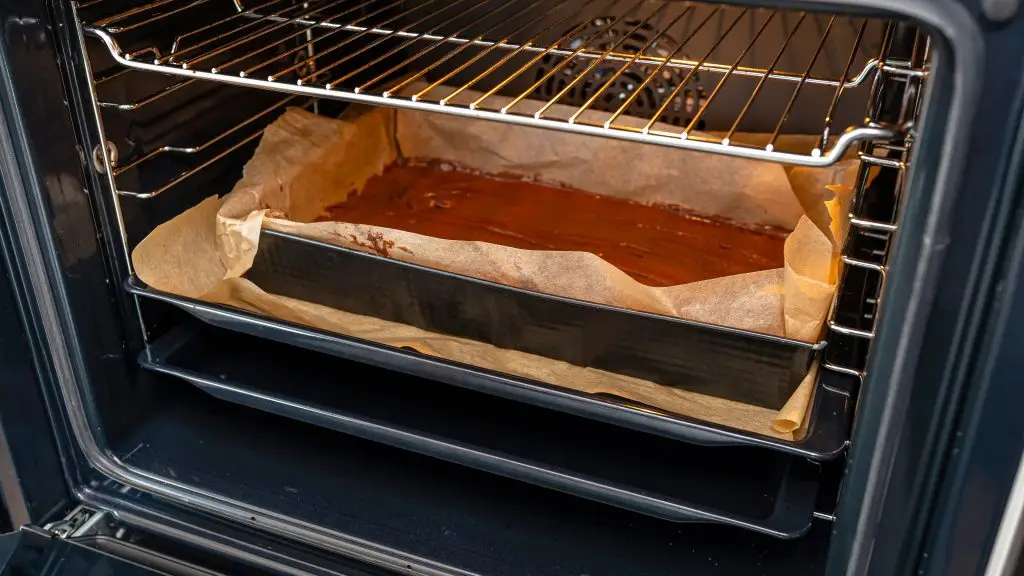
An electric oven draws between 2,000 and 3,000 watts, but is typically used for around 135 sessions per year averaging 45 minutes to an hour. That works out to a freestanding electric oven costing around £49–£71 per year to run, with an average of £56. Range cookers — which have larger cavities and multiple ovens — run higher, averaging around £62 and peaking near £93 for the least efficient models.
Dishwashers: the wide range that matters
The gap between the most and least efficient dishwashers is striking. The cheapest-to-run model in Which?’s testing costs around £40 per year; the most expensive costs close to £94. Both are used once daily. That is a £54 annual difference purely from choosing a more efficient model — worth factoring in when comparing prices at purchase. For more on what energy ratings mean when choosing a dishwasher, the guide to energy rating labels explains the current A–G scale in full.
Hob types compared: induction, ceramic and gas
Hob type is one of the most consequential energy decisions in any kitchen. The three main electric options each have different wattage, efficiency, and real-world cooking cost profiles.
Induction hob
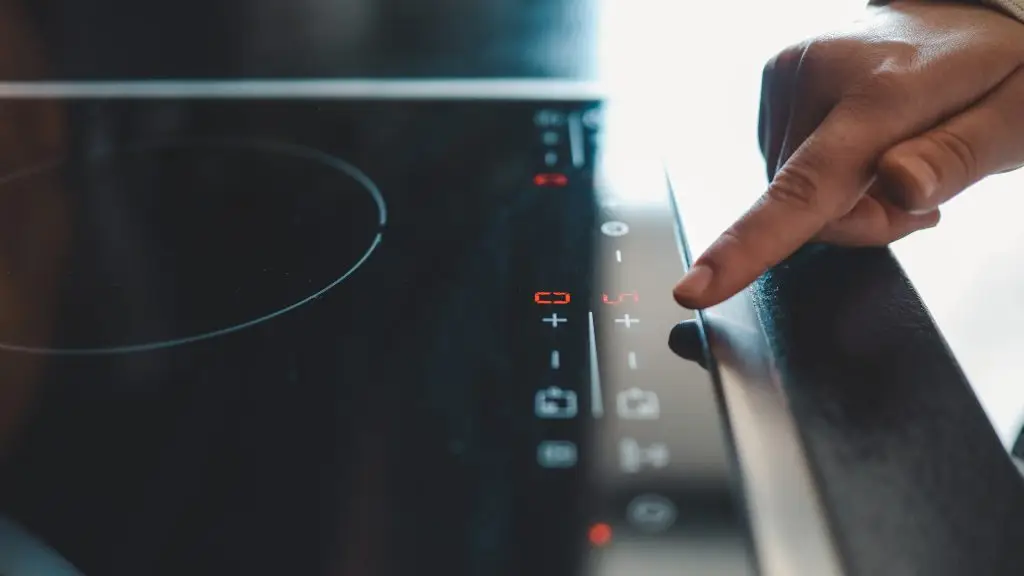
Heats the pan directly via electromagnetic field. Almost no wasted heat. Boils water roughly twice as fast as ceramic. Around 0.71 kWh per typical cooking session, making it cheaper per meal despite higher wattage.
Ceramic hob
Lower peak wattage than induction, but slower to heat and cool. More energy lost as surface heat. Costs around 5.3p to boil a large pan of water vs 3p for induction, because it takes longer.
Gas hob
Gas costs around 5.74p per kWh (Q2 2026) vs 24.67p for electricity — but only 40% of that heat reaches the pan. Boiling water costs around 1.7p on gas vs 3p on induction. Gas remains cheaper per use despite lower efficiency.
The key takeaway: induction is the most energy-efficient electric hob by a significant margin, using around 90% of consumed electricity for actual cooking compared to roughly 70% for ceramic. For households on a standard electricity tariff, gas still delivers cheaper running costs per session because of the large unit rate gap — but the difference is closer than most people expect once efficiency is accounted for. If you have solar panels or a time-of-use tariff with cheap overnight rates, induction can become cost-competitive with gas.
For a detailed comparison, the guide to the cheapest hob to run covers gas, induction, ceramic, and solid plate side by side with full cost modelling.
Running cost calculator
Use the tool below to estimate the running cost of any appliance based on its wattage, how often you use it, and your electricity unit rate.
Appliance running cost estimator
How to reduce kitchen electricity costs
The biggest wins come from changing how you use your existing appliances, not from replacing them. Here are the changes that make a genuine, measurable difference.
Set the fridge to 3–5°C
Running a degree or two colder than necessary adds measurable cost every day. 3°C is the EU recommended sweet spot for food safety and efficiency.
Run the dishwasher on eco mode
The eco cycle uses less electricity and less water per wash. It takes longer, but the energy saving is real and compounds across hundreds of cycles a year.
Use lids when cooking
Trapping heat with a lid reduces the time and energy needed to reach cooking temperature, particularly on ceramic and gas hobs where surface heat loss is higher.
Only boil what you need
Filling the kettle to the top for one cup wastes energy every single time. At around 3.5–4p per full boil, overfilling four times daily costs an extra £20–£25 per year.
Use the microwave for small tasks
Heating a bowl of soup or reheating leftovers in a microwave uses a fraction of what an oven requires for the same job. Around 0.07–0.1 kWh vs 0.5–1 kWh in an oven.
Keep the fridge away from heat sources
Positioning a fridge next to an oven or in direct sunlight forces the compressor to work harder. Maintain the ventilation gap specified in the manual at the back and top.
- Do not pre-heat the oven for longer than necessary — most modern ovens reach temperature in 10–15 minutes. Longer pre-heats waste electricity with no cooking benefit.
- Avoid running the dishwasher half-full. A half-load uses almost the same electricity as a full one, effectively doubling the cost per item washed.
- Do not leave appliances on standby unnecessarily. Standby power from kitchen and household devices can add £45–£80 to an annual bill without providing any useful function.
- Do not put warm food directly into the fridge. Allowing hot food to cool to room temperature first reduces the work the compressor has to do.
Frequently asked questions
Key takeaways
- The fridge freezer is usually the largest electricity user in the kitchen — it runs constantly and lasts 15–17 years, making model efficiency the most valuable long-term choice.
- Ovens and hobs have high wattage but short run times; their annual cost is typically lower than the fridge freezer despite the power draw.
- Induction hobs are the most efficient electric cooking method, transferring 85–90% of energy to the pan and cooking faster than ceramic.
- Dishwashers vary widely in running cost — from £40 to £94 per year — making model choice a significant factor.
- Kettles, toasters, and microwaves are among the cheapest appliances to run; small habits (not overfilling the kettle, using the microwave for reheating) add up to real savings.
- At 24.67p per kWh — the UK average electricity rate as of May 2026 (Ofgem Q2 2026 price cap) — every 100 kWh of annual appliance consumption costs around £24.67. Use the calculator above to estimate any appliance in your home.
Explore More Kitchen Advice & Buying Guides
Browse our latest articles covering appliance tips, energy-saving advice, and expert guidance – designed to help you choose, use, and get the most from your kitchen appliances.