How Much Laundry Detergent Should You Actually Use?
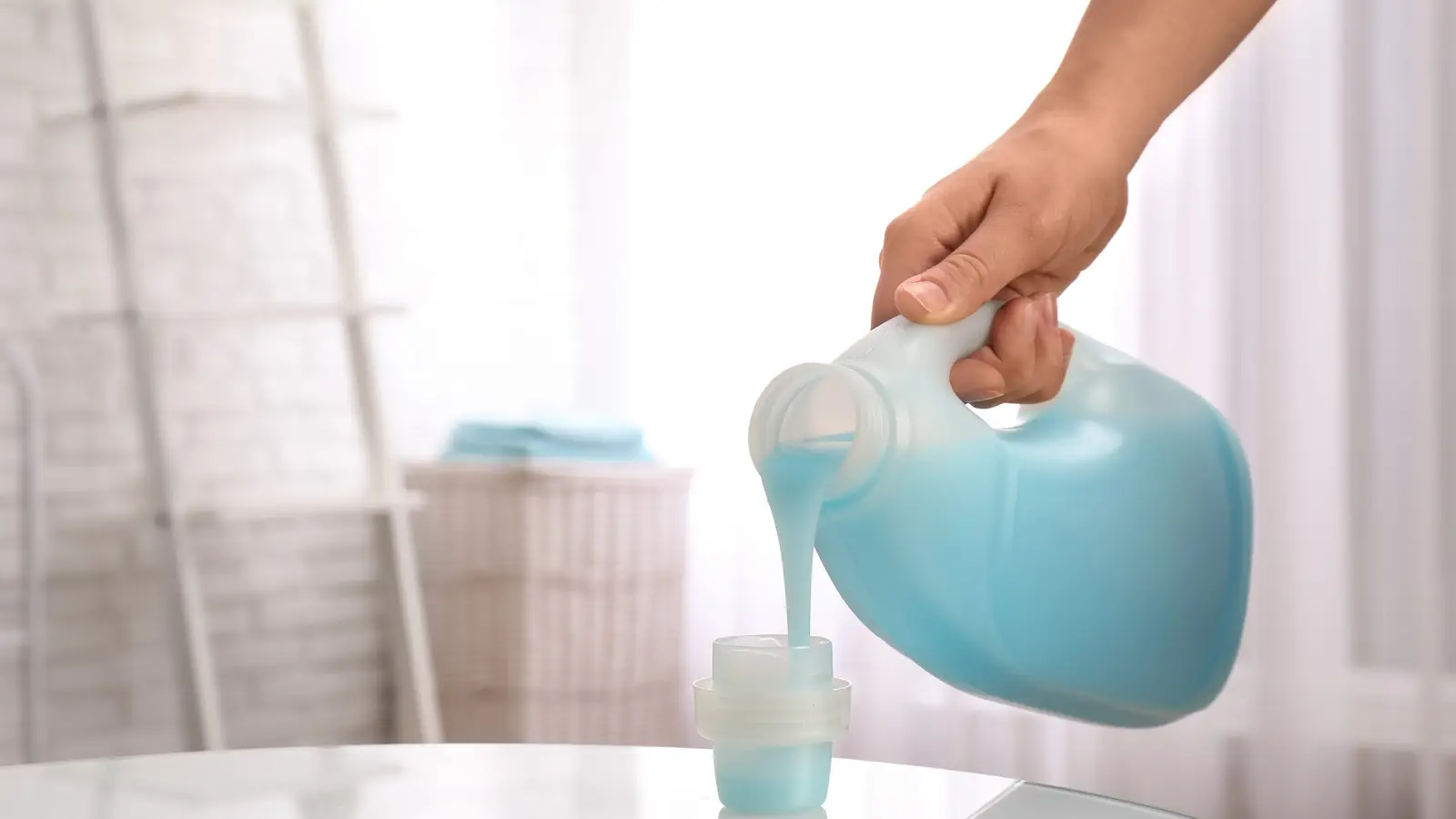
If you fill the cap to the top, there is a good chance you are using far too much. Most households use roughly double what they need, which costs money, leaves residue on clothes and slowly clogs the machine. The right amount is smaller than most people think, and it comes down to a few simple factors.
The short answer
For a normal load in average water, you usually need well under a full cap, roughly 35 to 60 ml of standard liquid detergent, or a single capsule. Concentrated formulas need far less, so the pack instructions always come first. Then adjust up or down for load size, how dirty the wash is, and your water hardness.
Why more detergent is not better
Detergent only works up to a point. Once the water holds as much as it can carry, extra detergent has nothing left to do, so it does not clean better. Instead it stays in the fabric and the machine. The leftover suds do not rinse away fully, especially on cooler and shorter cycles, and that residue is where the trouble starts.
On clothes, it shows up as stiff, scratchy fabric, white marks and dull colours. Inside the machine, the build up feeds mould and bacteria in the drawer, drum and door seal, which is one of the most common reasons a washer starts to smell. If your machine has a musty edge to it, our guide on how to stop a washing machine smelling musty walks through clearing that build up. Over time, heavy dosing can also block filters and dispensers, and there is the simple cost of pouring money down the drain with every wash.
What actually decides the right dose
There is no single number that fits every wash. Four things move the dial, and the pack instructions are written around them.
Load size
Bigger loads carry more dirt and need more detergent. Small loads need noticeably less, so drop the dose rather than pouring a standard amount.
How dirty it is
Everyday freshening up needs the minimum. Heavily soiled or sweaty laundry needs more, up to the maximum the pack shows, but never beyond it.
Water hardness
Hard water needs a little more detergent to work, soft water needs less. Much of southern and eastern England sits in hard water areas.
Detergent strength
Concentrated liquids and capsules are dosed in small amounts, while powders need more by volume. Always read your own pack, as formulas vary widely.
Your machine plays a part too. Modern washers use far less water than older ones, so they need less detergent and a low suds formula. Pouring in a generous dose simply creates foam the machine then has to rinse away with extra water and time.
Liquid, powder or pods: dosing each one
Liquid
Use the cap or, better still, a dosing ball placed in the drum, which helps the detergent reach the wash and rinse out cleanly. Measure to the correct fill line for your load rather than filling to the brim, since the medium load line is usually well below the top of the cap.
Powder
Powder is less concentrated, so doses look larger by volume. Use the scoop provided and the markings on the box, and keep it dry so it does not clump and leave white deposits on dark fabrics.
Capsules and tablets
These take the guesswork out of an average load, which is why many people prefer them. The trade off is that they are a fixed dose, so they can give too much for a small wash or too little for a very large or heavily soiled one. Use one for a normal load, two only for a big or very dirty load, and never cut a capsule open.
Signs you are using too much or too little
Too much
- Stiff or scratchy fabric after drying
- White streaks or powdery residue on clothes
- Colours looking dull or filmed over
- A musty or sour smell from the machine
- Mould in the drawer or door seal
- Excess suds and longer rinse cycles
Too little
- Clothes still look grey or dingy
- Body or damp odours linger after washing
- Visible dirt left on the fabric
- Stains not lifting as they should
- Whites gradually losing brightness
How to find your right amount
- Start lower than you think. Begin below your usual dose and only increase it if clothes are genuinely not coming out clean. Most people land well under where they started.
- Measure, do not eyeball. Use the cap, scoop or dosing ball every time. Free pouring is the quickest way to double the dose without noticing.
- Match the dose to the wash. Adjust for load size and soil level rather than using the same amount out of habit.
- Check your water hardness. If you are in a hard water area, nudge the dose up slightly. In a soft water area, you can use less.
- Pre treat stains directly. Dab a little detergent on a stain and leave it for a few minutes rather than flooding the whole load to deal with one mark.
Quick summary
- Most people overdose. A normal load usually needs well under a full cap.
- More detergent does not clean better. It leaves residue, feeds machine odours and wastes money.
- The dose depends on load size, soil level, water hardness and how concentrated the detergent is.
- Capsules suit average loads but are a fixed dose, so they suit very small or very large washes less well.
- Start low, measure every time, and adjust to the wash rather than filling to the top.
Frequently asked questions
Usually well under a full cap, often around 35 to 60 ml of standard liquid for an average load in average water. Always check your own pack first, as concentrated formulas need much less.
No. Past the right amount it stops helping and starts causing problems, leaving residue on clothes, building up inside the machine and costing you more for no benefit.
They remove the guesswork for an average load, which many people like. Because they are a fixed dose, though, they can give too much for a small wash or too little for a very large or dirty one. Never split a capsule.
This is usually too much detergent leaving residue behind, or a machine that needs cleaning. Reduce the dose, and run a maintenance wash to clear any build up in the drum and seal.
Yes, a little. Hard water makes detergent work harder, so a slightly larger dose helps. In soft water areas you can use less than the standard amount.
For an independent take on dosing by load size and machine type, the news outlet NBC News gathers advice from laundry experts that lines up with the guidance here.