Can I Plug a Microwave Grill Combo into a Normal Socket?
Yes, in most cases. The majority of microwave grill combination units sold for domestic use in the UK draw between 1,000W and 2,500W, which falls comfortably within what a standard 13A socket can supply. The exceptions are high-powered built-in combination ovens, some of which exceed the 13A limit and require a dedicated electrical connection. Checking the wattage on the rating plate takes thirty seconds and gives you a definitive answer for your specific appliance.
What a 13A Socket Can Handle
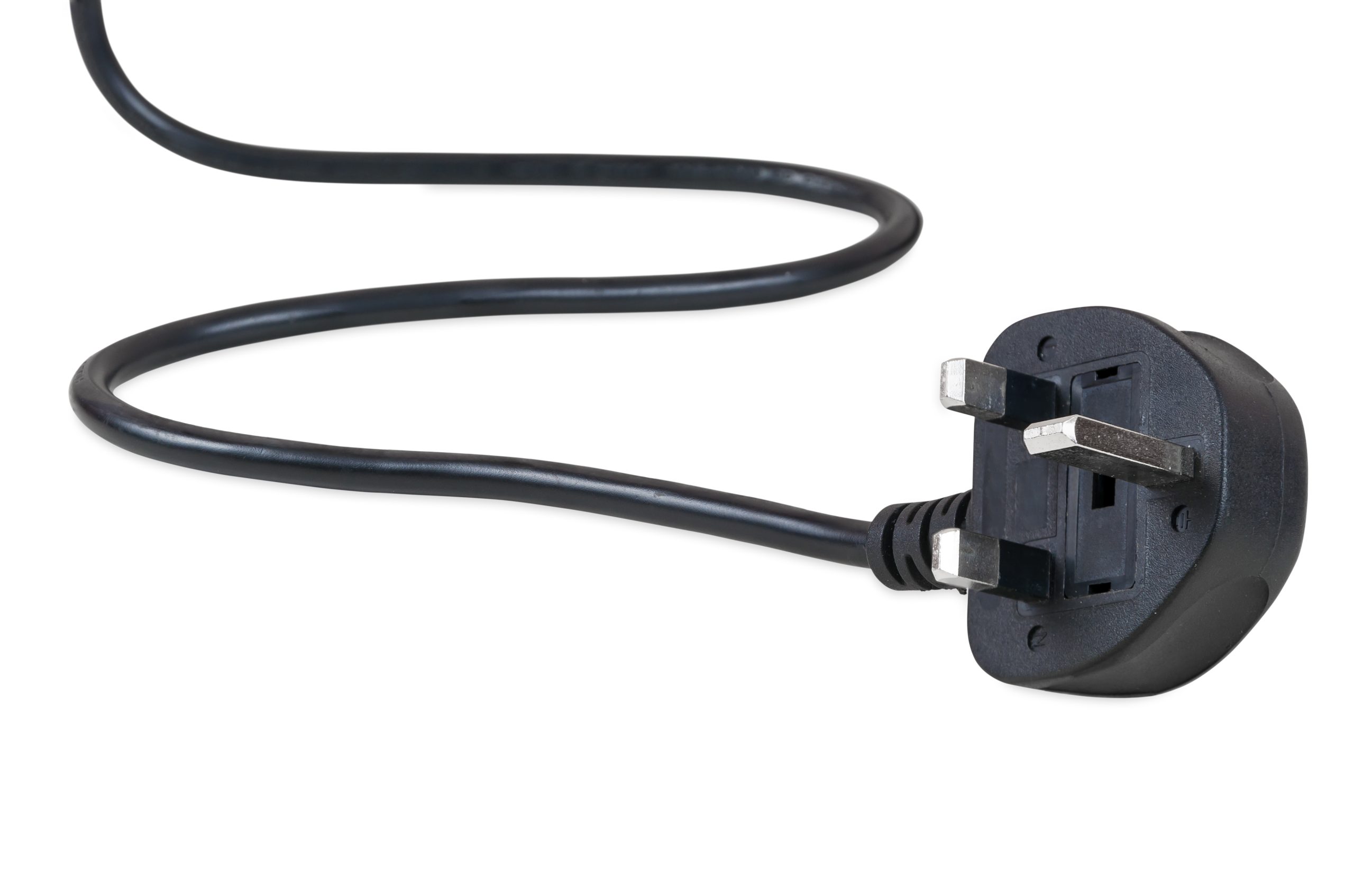
A standard UK three-pin socket supplies 230V at up to 13 amps. Multiplying those two figures gives the maximum power the socket can deliver safely: 230V multiplied by 13A equals 2,990W, or just under 3 kilowatts. In practice, sustained loads close to this limit are not recommended — appliances drawing continuously near the maximum cause the plug fuse and the socket wiring to run hot. A sensible working ceiling for a single socket is around 2,500W for a device used regularly and for extended periods.
Most domestic microwave grill combos sit comfortably below this. A typical countertop combination model lists a total power consumption of 1,000W to 2,000W when all functions are active simultaneously, which accounts for both the microwave magnetron and the grill element running together. This is well within the 13A socket’s capability.
The figure that matters is the appliance’s total rated input power, listed on the rating plate on the rear or underside of the unit. This is sometimes labelled “rated power”, “total power”, or “input power”. It is always higher than the output power figures quoted in product descriptions (microwave output, grill output), because appliances are not 100% efficient. Always use the total input figure when assessing socket compatibility.
Typical Wattage by Appliance Type
Microwave grill combination appliances come in several distinct categories, each with a different typical power draw. Knowing which category your appliance falls into tells you immediately whether a standard socket is appropriate.
Countertop microwave grill
The most common domestic combination unit. Total input power typically stays well below 2,500W even with microwave and grill running simultaneously. Comes with a UK 13A plug fitted as standard.
Countertop microwave grill/convection
Three-in-one models adding convection heat to microwave and grill functions. Higher total draw but typically still within 13A socket limits. Confirm the specific model’s total input power on the rating plate before connecting.
Built-in combination microwave oven
Higher-specification built-in models can exceed the 13A socket limit, particularly when combining full microwave power with a high-output grill element. These may require a dedicated 16A or 20A circuit. Always check the installation manual.
The rating plate is always the definitive source. It is typically a silver or white label on the rear panel of a countertop unit, or inside the door frame on a built-in model. It lists both the output ratings for each function and the total rated input power — use the total input figure, not the individual function ratings.
Situation-by-Situation Guide
Most installation questions come down to a specific set of circumstances. The table below covers the common scenarios and gives a direct answer for each.
| Your situation | Socket suitable? | What to do |
|---|---|---|
| Countertop combi microwave grill, total input under 2,500W, comes with a UK plug | Yes | Plug into a standard 13A socket. Use a dedicated socket for that appliance rather than a shared double socket with another high-draw appliance. |
| Built-in combination microwave, total input 2,500W to 3,000W | Check manual | Many models in this range are supplied with a 13A plug and are socket-compatible. Verify in the installation manual — some specify a dedicated socket or a switched fused connection unit. |
| Built-in combination microwave, total input above 3,000W | No | Exceeds the 13A socket limit. Requires a dedicated circuit installed by a qualified electrician — typically a 16A or 20A radial with a switched fused connection unit. |
| Appliance specifies “hardwire only” on the rating plate or manual | No | Must be hardwired by a qualified electrician regardless of the wattage. Do not fit a plug to a hardwire-only appliance. |
| Socket shared with another high-draw appliance (kettle, toaster, electric hob) | Avoid | Even if each appliance is individually within limits, running both simultaneously from the same socket circuit risks overloading the ring main at that spur. Use separate sockets on different circuit spurs. |
| Extension lead or multi-socket adapter | Avoid | Extension leads and adapters are not rated for sustained high-current loads. The plug-to-socket connection in a multi-socket adapter is a common failure point under high current. Connect the appliance directly to a wall socket. |
| Socket showing heat marks, discolouration, or loose fit | No | A damaged socket must be replaced before connecting any appliance. Heat marks indicate a previous overload or arcing event — continuing to use it is a fire risk regardless of the appliance’s power rating. |
Socket and Installation Safety
Use a dedicated socket where possible
A microwave grill combination unit is not a good candidate for a shared socket. When the grill element is active, the current draw is sustained at a relatively high level for an extended period — unlike a kettle, which boils quickly and switches off. Plugging a combination microwave grill into the same socket as a toaster, kettle, or other high-draw appliance means both could be drawing significant current from the same cable run simultaneously. Most modern ring main circuits are designed to handle this, but the closer you run to the circuit’s total capacity, the more heat the cable generates, and sustained heat shortens cable insulation life.
Never use an extension lead
Extension leads are rated for intermittent use at their stated current limit, not for sustained high-current loads over an extended cooking or grilling session. A combination microwave grill running its grill function for 20 minutes is a sustained load that extension lead cabling, connectors, and the cable spool (if wound) are not designed to handle reliably. A wound extension lead is particularly hazardous — coiled cable cannot dissipate heat effectively and can become a fire risk even at currents below its stated rating. Connect directly to a wall socket in every case.
Built-in models and Part P
If your appliance requires hardwiring or a dedicated circuit, that electrical work falls under Part P of the Building Regulations in England and Wales. It must be carried out or certified by a registered electrician. This applies to any fixed electrical installation in a kitchen, regardless of whether the appliance itself seems straightforward to connect. A qualified electrician will also assess whether the existing circuit has sufficient capacity for the additional load before committing to the connection.
For built-in microwave grills requiring a dedicated connection, a qualified electrician is the right first call. The GOV.UK Building Regulations guidance explains Part P requirements and how to find a registered installer. CATA’s built-in microwave range includes installation specifications for each model, covering connection type, rated input power, and whether a standard socket or dedicated circuit is required.
If you are comparing built-in combination microwaves and want to understand the practical differences between grill, convection, and combination modes before purchasing, the guide to using a microwave grill safely covers how each mode works and what it draws from the appliance.
Before you plug in — check these
- Located the rating plate and noted the total rated input power (not the microwave or grill output figure separately)
- Confirmed the total input power is below 3,000W — preferably below 2,500W for sustained use
- Checked the appliance manual — confirmed it does not specify hardwire only or a dedicated circuit
- The socket is a direct wall socket — not an extension lead, multi-socket adapter, or trailing socket
- The socket shows no heat marks, discolouration, cracking, or loose fit
- No other high-draw appliance (kettle, toaster, hob) uses the same socket simultaneously
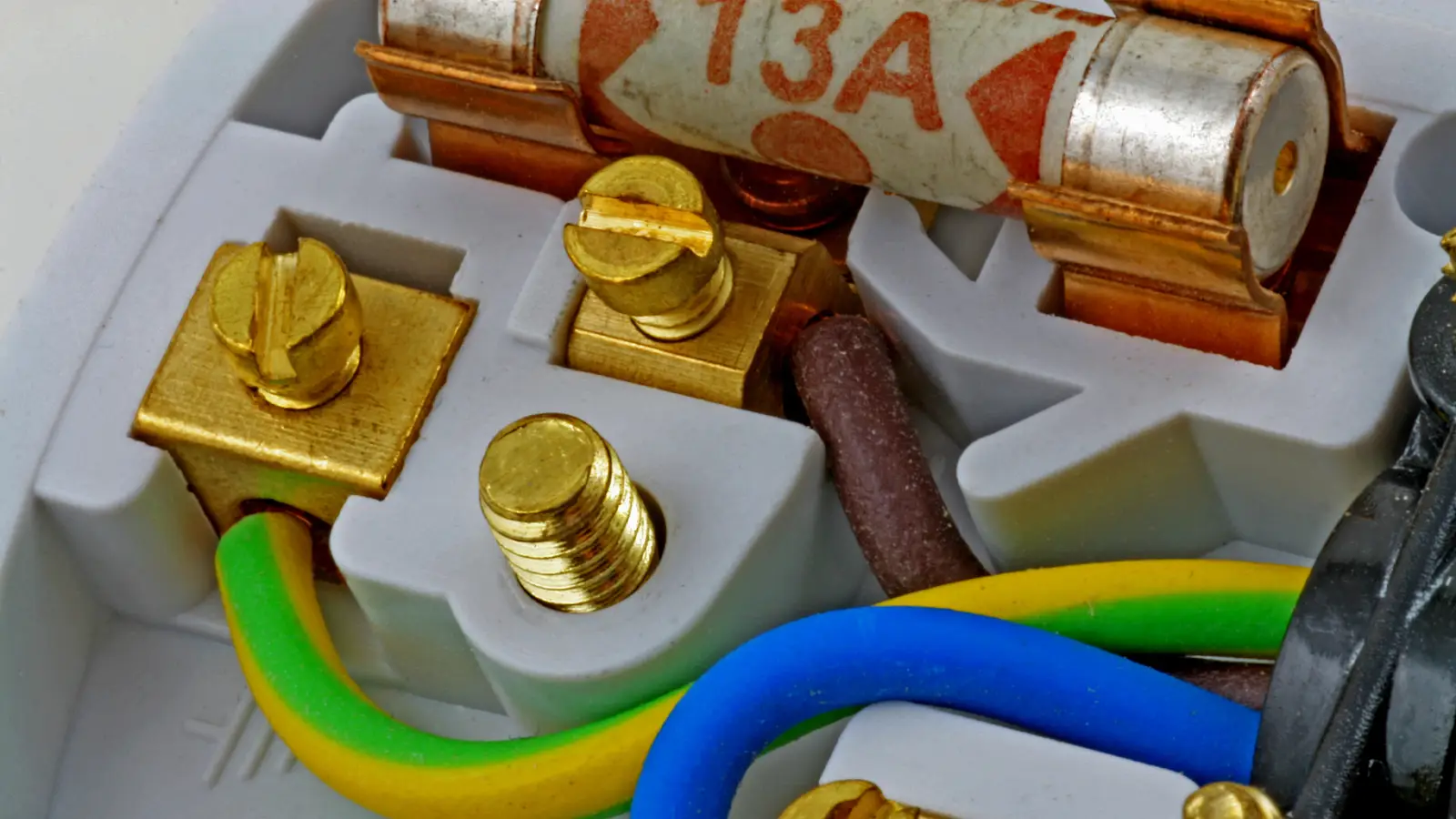
- The plug fuse is correctly rated — 13A for appliances over 700W