Can You Fit a Dishwasher Under a Sink?
When kitchen space is tight, it is natural to look at the cabinet under the sink and wonder whether that spot could hold a dishwasher. On paper, it sounds like a clever use of space. In practice, though, the answer depends on much more than cabinet width alone.
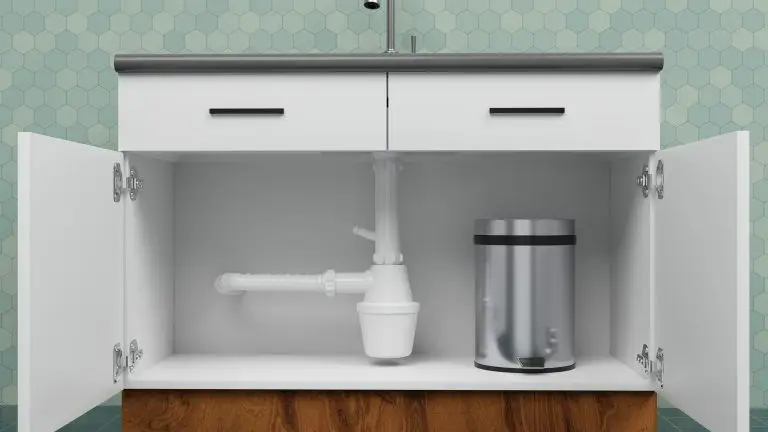
The main challenge is that the under-sink area is already competing with pipework, the waste trap, the sink bowl itself, and the clearance needed for hoses and airflow. That means an under-sink dishwasher installation can work in some kitchens, but it is far from a guaranteed fit.
The Challenges of Fitting a Dishwasher Under a Sink
Although the idea can sound practical, the under-sink cabinet is one of the trickiest places in the kitchen to use for an appliance. The space is rarely clear and square, and even a few centimetres of pipework can make the difference between a workable fit and a complete non-starter.
- Plumbing gets in the way:
Waste traps, water pipes, and inlet connections often occupy the exact space a dishwasher needs. Even if the cabinet looks wide enough from the front, the pipe layout at the back can stop the appliance sliding in properly. - Height is often the biggest issue:
Most standard integrated dishwashers need around 82 to 85cm of height. Many sink cabinets simply do not offer that because the underside of the sink bowl and the trap hang lower into the cabinet space. - Leaks are a bigger concern:
With plumbing and electrics so close together, even a minor leak can become a bigger issue. Flooring, cabinetry, and appliance connections all need to be protected. - Ventilation still matters:
Dishwashers give off heat and moisture during use. If the appliance is boxed into a cramped space without adequate airflow, it may not perform as intended. - Servicing access can be awkward:
Installers and engineers need enough room to route hoses, make connections, and carry out repairs later. A tight under-sink cavity can make routine servicing much harder.
Compact and Slimline Dishwashers Explained
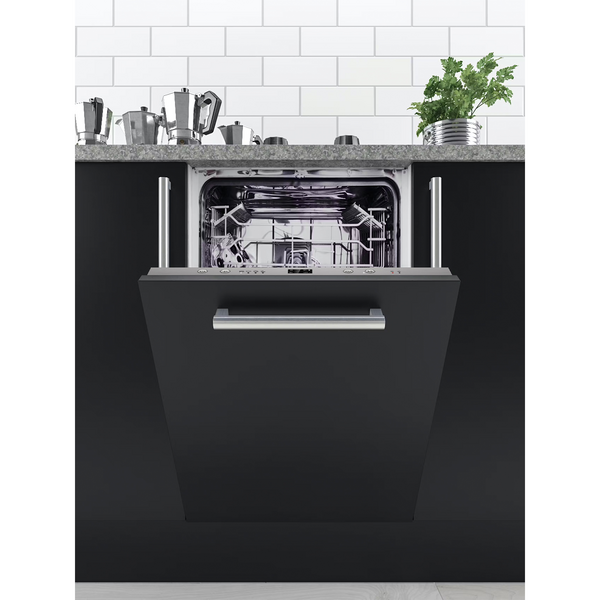
If a standard dishwasher feels too ambitious for the space available, the next step is usually to look at slimline dishwashers and compact dishwashers. These are the two formats most likely to help in a smaller kitchen.
A slimline dishwasher is usually around 45cm wide, making it a good option when cabinet width is the main issue. A compact dishwasher is shorter in height, or designed for countertop use, so it can be more practical when the real problem is the limited vertical clearance beneath the sink.
| Type | Typical size | Best when | Main watch-out |
|---|---|---|---|
| Slimline built-in dishwasher | Around 45cm wide, 82–85cm high, 55–60cm deep | Cabinet width is tight but standard plinth height is available | Height still needs to clear the sink and trap |
| Compact dishwasher | Usually 55–60cm wide, 45–60cm high, 50–60cm deep | Height is limited or you prefer a worktop or shelf installation | Smaller load capacity than a full dishwasher |
Even if a slimline or compact model looks promising, it is still essential to compare your measurements against the manufacturer’s specification sheet. Small differences in hose routing, rear clearance, or adjustable feet can make a big difference.
Measurement Guide: Will It Fit?
Before buying anything, measure carefully. This is the part that saves you from ordering a dishwasher that looks fine on paper but clashes with the sink trap the moment it arrives.
Measurement checklist
- Measure the cabinet height:
Check from the floor to the lowest point under the sink. Most built-in dishwashers need at least 82 to 85cm. - Measure the cabinet width:
Standard dishwashers usually need around 60cm. Slimline models usually need around 45cm. - Measure the depth:
You will typically need about 55 to 60cm, plus extra room for hoses, cabling, and airflow. - Check the sink bowl depth:
A deeper bowl can drop too far into the cabinet and steal the height you need for the dishwasher underneath. - Map the waste trap and pipes:
Note exactly where they sit. Offset traps and neater pipe runs can make a big difference to usable space. - Allow rear clearance:
Make sure there is room at the back for hoses and cable routing without severe bends or kinks.
Alternatives if It Will Not Fit
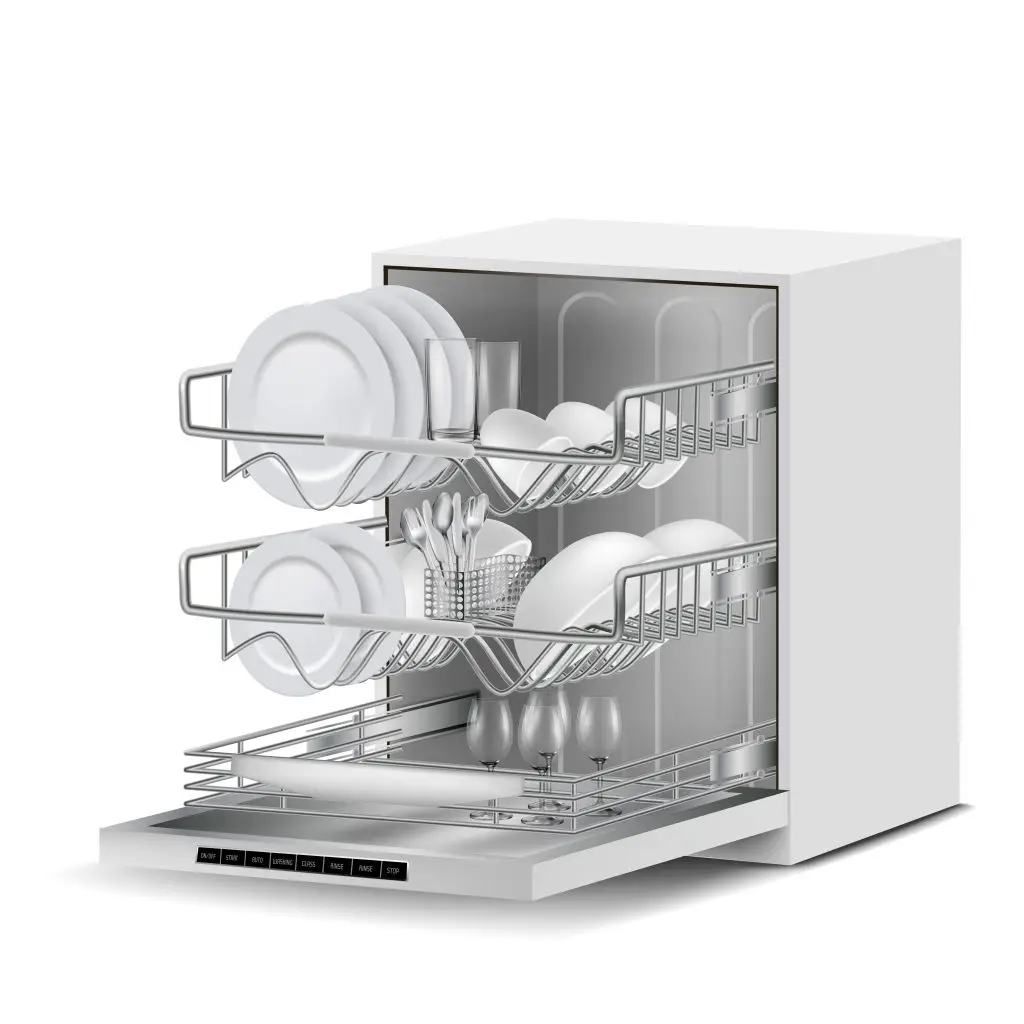
If your measurements show that an under-sink fit is too tight, that does not mean giving up on the idea of having a dishwasher. It usually just means choosing a different format or location.
- Tabletop dishwashers:
These compact models sit on a counter or a strong shelf and are especially useful in small kitchens or smaller households. - Slimline freestanding dishwashers:
At around 45cm wide, these can often fit beside the sink cabinet instead of underneath it. - Drawer dishwashers:
These can be a clever solution for awkward kitchens where a conventional door-opening layout is difficult. - Cabinet redesign:
In some cases, a fitter can reposition pipework, use an offset trap, or alter the sink layout to free up more usable space beneath.
Pros and Cons of Installing Under a Sink
Before making a final decision, it helps to weigh up the practical benefits against the likely compromises.
| Pros | Cons |
|---|---|
| Saves valuable floor space in smaller kitchens | Very limited choice of compatible models |
| Keeps the appliance close to existing plumbing | Leaks can be more problematic near electrical connections |
| Can work well with a shallow sink and offset trap | Often reduces under-sink storage |
| Can suit galley kitchens and compact layouts | Servicing and installation access can be more difficult |
Expert Tips for Success
- Choose a shallower sink bowl:
This can help create more usable height beneath the sink cabinet. - Use a space-saving or offset trap:
This is one of the most useful plumbing tweaks for freeing depth and access. - Prioritise flexible hose routing:
Rear connections and manageable hose positions can make installation much easier. - Allow for airflow:
Even a compact dishwasher needs enough ventilation space to work properly. - Get professional advice if unsure:
A kitchen fitter or plumber can tell you very quickly whether the idea is practical in your layout or whether another solution would be smarter.
Final Thoughts
So, can you fit a dishwasher under a sink? Sometimes, yes. But it only works when the cabinet gives you enough height, depth, pipe clearance, and ventilation. In many homes, a standard unit simply will not clear the sink bowl or the waste trap.
That is why the smartest approach is to measure first, compare those measurements carefully with the manufacturer’s specifications, and stay open to alternatives like slimline, compact, or tabletop dishwashers. A thoughtful plan now can save you a lot of hassle later.
Frequently Asked Questions