Hard-Wiring vs Plug-In for Major Appliances: UK Rules in Plain English
Choosing a new kitchen appliance and unsure whether it needs to be hard-wiredConnected directly to a dedicated electrical circuit. or simply plugged in? This guide breaks down the real UK rules in practical terms, helps you avoid unsafe installations, and clears up common myths around ovens, hobs and large appliances.
Why This Matters
Wiring an appliance incorrectly can cause tripped circuits, overheating cables or, in rare cases, fire risks. Many UK homes also have older consumer units or mixed circuits, so understanding the basic rules ensures your appliance works safely and reliably.
The Simple Rule: It All Comes Down to Power
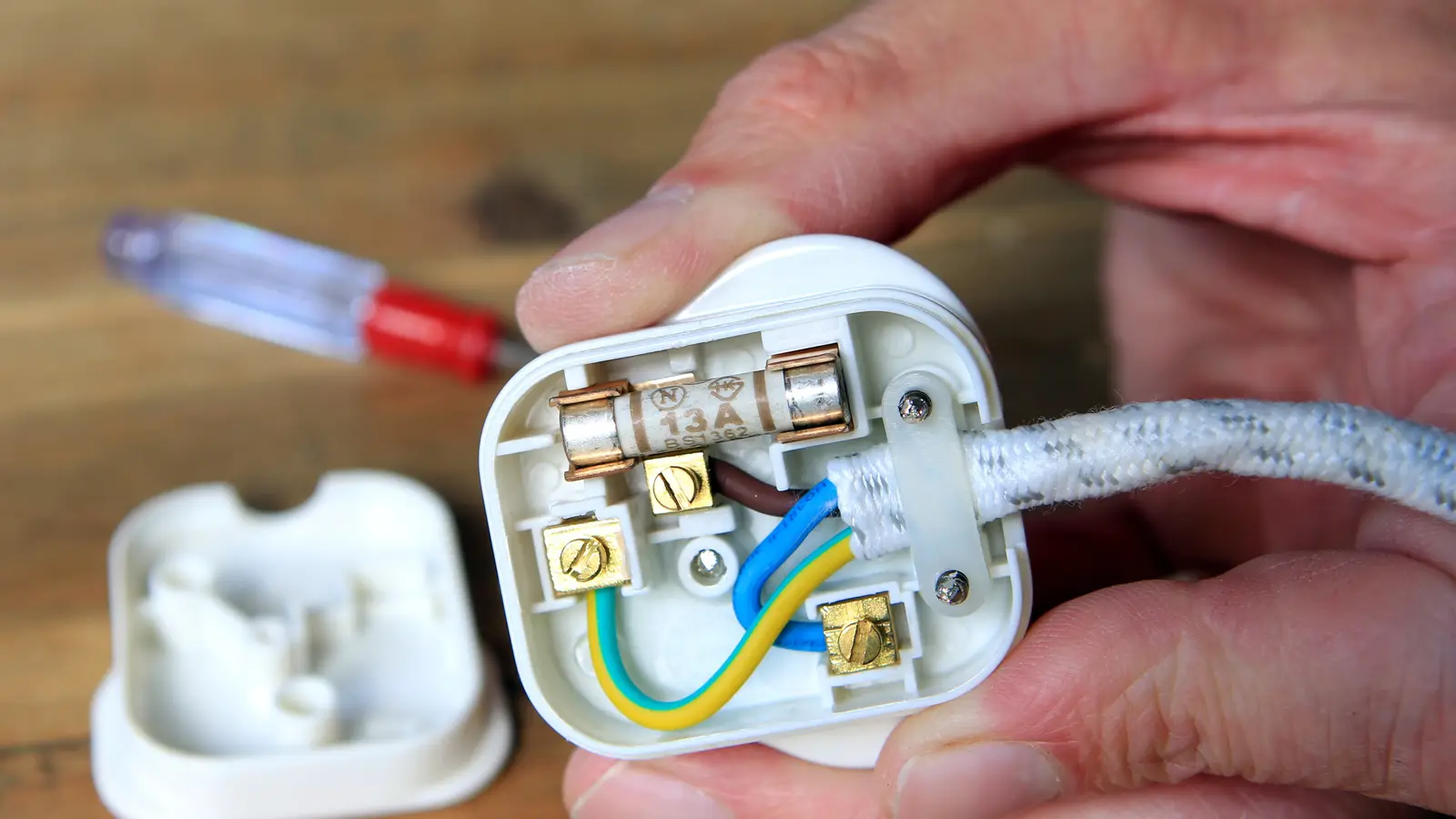
The most important factor is the appliance’s total power rating (kW). UK plug sockets are limited by the 13A fuseA UK plug uses a 13-amp fuse, limiting it to about 3.0kW., which safely supports appliances up to around 3kW.
- Under 3kW → often fine to plug in.
- Over 3kW → usually must be hard-wired.
- Large cooking appliances frequently exceed this limit.
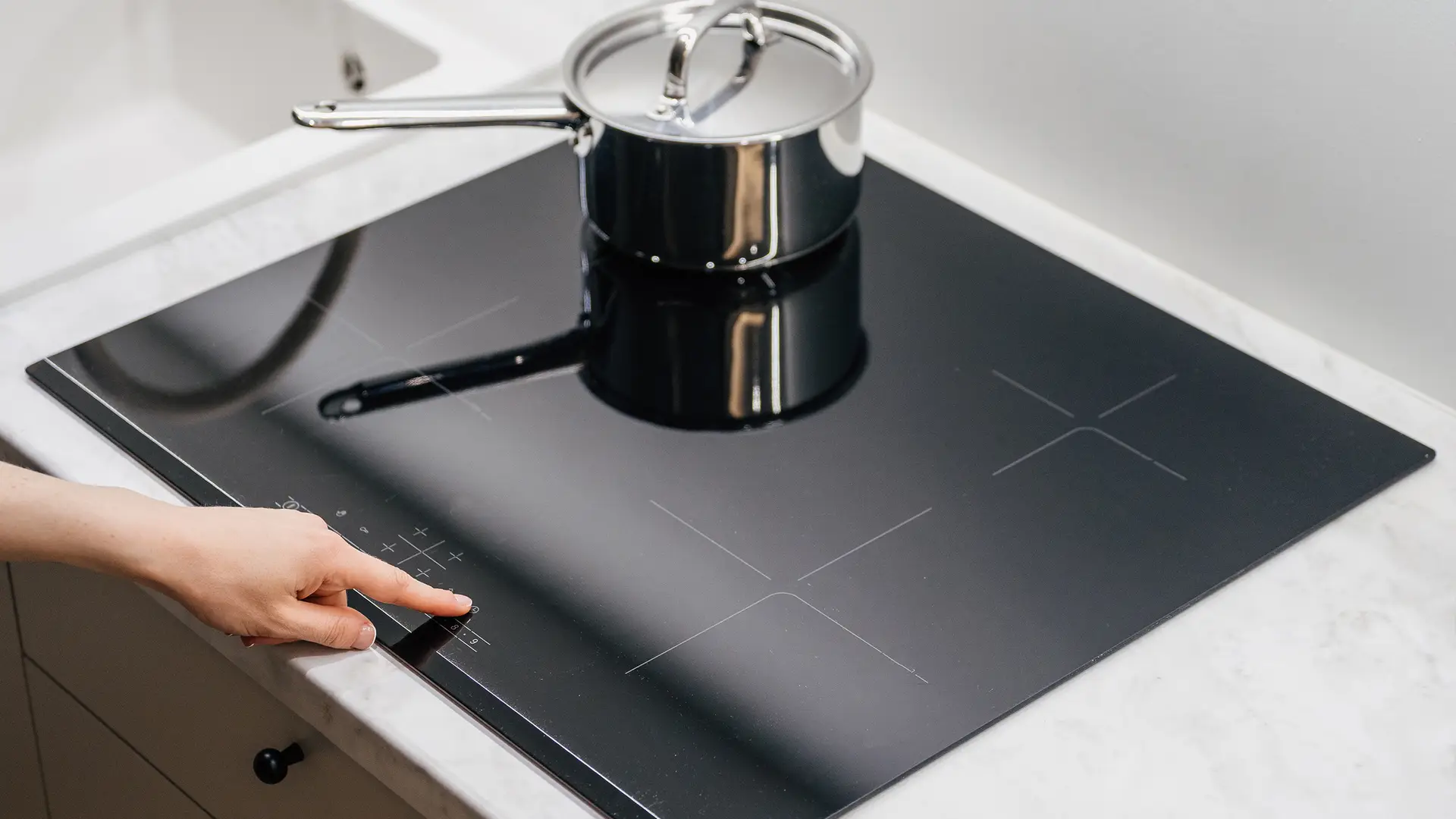
Induction Hobs: Do They Really Need Hard-Wiring?
This is where confusion is common. Here’s the truth:
Full-size induction hobs
- Most 60–80cm 4-zone models use 6kW–7.4kW.
- They must be hard-wired on a dedicated circuit.
- No UK 13A plug can safely support this load.
But some induction hobs DO come with a plug
Manufacturers now produce “plug-and-play” models designed to stay under the 13A limit. These commonly include:
- Domino hobs (30cm twin-zone).
- Compact two-zone units.
- Some 60cm hobs throttled to ~3kW for plug use.
- Portable induction hobs for countertops.
If the manufacturer supplies a plug, the appliance is designed for a socket. The rating label will show 2.8–3.0kW or below.
Electric Ovens: Plug-In or Hard-Wire?
Modern single ovens often sit between 2.5kW and 3.5kW. This means:
- 2.5–3.0kW ovens – usually plug in.
- 3.1–3.5kW ovens – may require hard-wiring depending on manufacturer guidance.
- Double ovens – almost always hard-wired.
Always check the rating sticker behind the oven door or in the manual.
What About Washers, Dryers and Dishwashers?
- Washing machines – almost always plug-in.
- Tumble dryers – most plug in, except some heat-pump models requiring higher loads.
- Washer-dryers – plug-in.
- Dishwashers – plug-in as standard.
These appliances rarely exceed 3kW.
Understanding Hard-Wiring
Hard-wired appliances must connect to a dedicated cooker circuit via an isolator switch. These circuits are usually rated between 32A and 45A depending on load.
When hard-wiring is required
- The appliance draws more than 3kW.
- The manufacturer explicitly states “must be hard-wired”.
- The appliance has no plug attached from factory.
- The property’s wiring regulations demand it (older homes may require upgrades).
Is Changing from Plug to Hard-Wire Allowed?
Yes — but only if the appliance’s total load exceeds 3kW or the manufacturer requires it.
However, you must not modify the appliance if this contradicts the manual.
If a plug is supplied, the appliance is designed to work safely on a plug.
Flip-Card Quick Facts
Some induction hobs come with a plug if kept under 3kW.
Over 3kW? The appliance usually must be hard-wired.
New circuits or major wiring work must follow Part P.
Common Mistakes to Avoid
- Plugging in a 7kW appliance “to test it” — this is unsafe.
- Assuming a built-in oven is always hard-wired — many are not.
- Using multi-plug adaptors for large appliances.
- Ignoring the rating label on the back of the appliance.
- Replacing a 13A fuse with a higher one — never do this.
What Happens If You Get It Wrong?
Installing an appliance incorrectly may lead to:
- Constant fuse or breaker tripping.
- Overheating of the plug or cable.
- Low performance or intermittent power.
- Risk of fire in extreme cases.
- Voiding your appliance warranty.
Where to Learn More
If you’re choosing a new hob, browse our CATA hob collection.
Replacing your oven? Explore the full range of CATA built-in ovens.