Why Does the Washing Machine Stop Mid-Cycle?
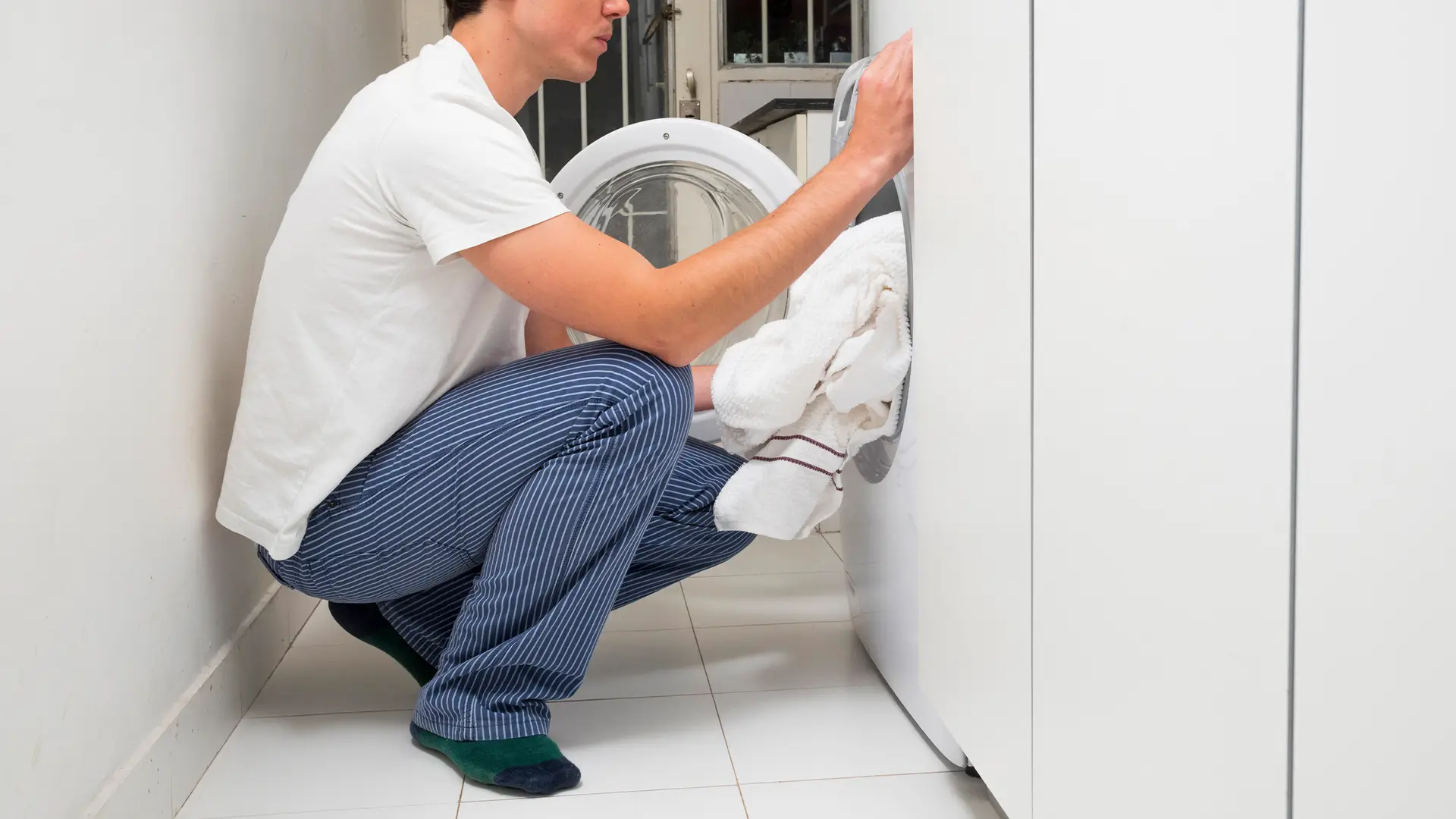
A washing machine that stops partway through a cycle is almost always protecting itself or responding to a condition it cannot proceed past — a drainage blockage, an unbalanced load, a door that has not locked correctly, or a water supply issue. Most causes are diagnosable at home. The point in the cycle where the stoppage occurs gives the most useful clue about where to look first.
When It Stops — What the Timing Tells You
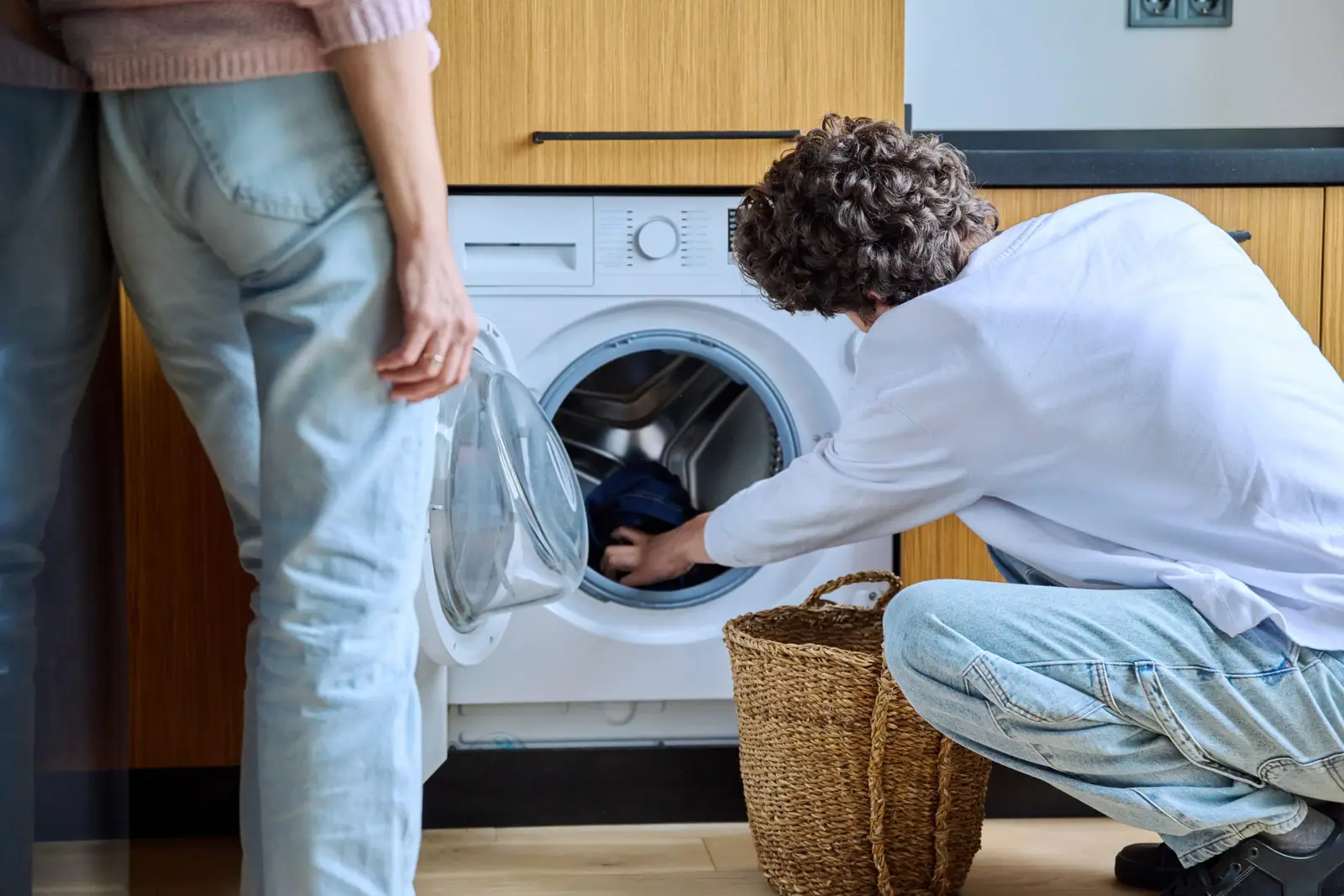
Before working through the causes, note when in the cycle the machine stops. This narrows the diagnosis considerably.
At the start
Door lock fault, power supply issue, or water not entering the drum. Check the door is fully closed and the inlet tap is open.
During fill or wash
Water inlet problem — blocked filter, low water pressure, or a faulty inlet valve preventing the drum from filling to the required level.
Before or during spin
Drainage issue or unbalanced load. The machine cannot spin until it has drained — a blockage here stops the cycle at this point every time.
Randomly at different points
Control board fault, intermittent power supply issue, or a sensor failing inconsistently. Harder to self-diagnose — may need professional investigation.
Causes and What to Check
The most common cause of a mid-cycle stoppage — particularly one that occurs before or during spin. The machine fills and washes normally but cannot drain the water out, so it stops and waits rather than proceeding to a spin with a drum full of water. Small items such as coins, hair grips, and buttons collect in the pump filter over time and restrict water flow until it stops completely.
The pump filter is usually accessible behind a small panel at the front of the machine near the base. Before opening it, place towels on the floor — there will be water inside. Unscrew the filter (it typically turns anticlockwise), clear any debris, rinse it clean, and refit. Check that the drain hose at the back is not kinked, pushed too far into the standpipe, or blocked by accumulated lint.
Modern washing machines have sensors that monitor drum vibration during spin. If the load is sufficiently unbalanced — one heavy item like a duvet or a pair of jeans sitting on one side of the drum — the machine pauses or abandons the spin cycle to protect the drum bearings and the machine structure from the forces an off-balance spin would generate. The machine will typically pause, attempt to redistribute by rotating slowly, and retry. If it cannot redistribute the load adequately, it stops.
Open the door, redistribute the laundry more evenly around the drum, and restart. Large single items — duvets, pillows, heavy towels — are the most common culprits. Where possible, wash them as a pair (two pillows rather than one) to provide a more balanced load. Avoid washing single very heavy items alone unless the machine’s manual specifies a programme for them.
The door interlock is a safety device that confirms the door is closed and locked before the cycle begins and keeps it locked throughout. If the interlock fails to register a locked state — either because the door has not clicked fully shut, because the seal or catch has moved, or because the interlock mechanism itself is failing — the machine’s control system pauses the cycle as a safety measure.
Check that the door is properly closed with a firm push until you hear it click. Check the door seal and the inside of the door frame for any small items of clothing that have caught in the seal and prevented full closure. If the door appears closed correctly but the machine still pauses or shows a door error code, the interlock mechanism is likely failing — this is a replaceable component but one that requires accessing the inside of the door frame, which is a job for a qualified engineer on most machines.
The machine needs an adequate flow of water at sufficient pressure to fill the drum to the required level within a set time. If it cannot fill — because the inlet tap is partially or fully closed, because the inlet hose filter is blocked with sediment, or because water pressure in the property is temporarily low — the machine pauses and may eventually abort the cycle with an error code.
Check that the cold water inlet tap behind the machine is fully open. Remove the inlet hose from the back of the machine (turn off the tap first), locate the small mesh filter inside the hose fitting on the machine, and clean it under running water with a soft brush. Limescale and sediment can block this filter gradually without being visible from the outside. Refit, turn the tap back on, and test.
Washing machine motors have thermal protection that cuts power if the motor overheats. This can happen from an overloaded drum that puts excessive mechanical strain on the motor, from a build-up of fluff and debris around the motor restricting ventilation, or from a motor that is beginning to fail. The machine stops mid-cycle without warning, and — crucially — will not restart immediately. It needs 20 to 30 minutes to cool before the thermal cutout resets and allows a restart.
If the machine stops mid-cycle and will not restart for 20 to 30 minutes but then works normally again, thermal cutout is a strong candidate. Reduce the load size and check that the machine has adequate ventilation space around it — do not install in a fully enclosed cabinet without the ventilation gap specified in the installation guide. If the pattern repeats with normal loads, the motor bearings or windings may be failing.
If the machine stops at random points in the cycle with no consistent pattern, and the checks above have not identified a cause, a fault in the control electronics or a sensor is likely. The control board interprets signals from multiple sensors — water level, temperature, drum speed, door status — and stops the cycle if any reading falls outside the expected range. A sensor returning a false reading, or a control board component failing intermittently, produces erratic stopping behaviour that is difficult to diagnose without specialist equipment.
Note any error codes shown on the display at the point of stopping — these are the most useful information to pass to an engineer. Most modern machines store fault codes in memory even after the display clears; an engineer with a diagnostic tool can retrieve these for accurate diagnosis. Do not ignore burning smells, unusual electrical sounds, or water leaks alongside stoppages — these indicate a more urgent fault requiring immediate attention.
For CATA washing machine models, spare parts, and service contacts, visit the product support pages. If your machine is beyond economic repair or you are considering an upgrade, browse the CATA laundry range for current models. For guidance on running kitchen appliances efficiently alongside laundry appliances, the kitchen appliance running costs guide covers energy-saving habits across all major household appliances.
Common questions answered
My washing machine stops at the same point every cycle. What does that mean?
A stoppage that occurs consistently at exactly the same point in the cycle — not random — points to a specific trigger at that stage. If it always stops before spin, drainage is the most likely cause. If it always stops during fill, the water supply or inlet filter is likely involved. The consistency is actually helpful — it narrows the diagnosis significantly compared to random stoppages.
The machine has stopped with water inside and I can’t open the door. What should I do?
Most machines have an emergency drain — a small hose near the pump filter at the front base panel. Place a container below it, remove the bung from the end of the hose, and drain the water out. Once the drum is empty, the door interlock should release — check the manual for your model, as some require a reset. If the door still will not open, do not force it.
How often should I clean the pump filter?
Every two to three months for a household doing several washes per week. More often if you wash items that shed significant amounts of fibre — pet bedding, fluffy towels, fleeces. A blocked filter is one of the most common causes of mid-cycle stoppages and takes under five minutes to clean. Check the manual for the exact filter location on your model.
Is it safe to leave laundry sitting in a stopped machine?
For a few hours, yes — the laundry will not be damaged. If the machine has stopped with water in the drum, remove and rewash as soon as practical rather than leaving laundry sitting in standing water for several hours, as this can cause odours and transfer smells to the fabric. A machine stopped mid-cycle without water in the drum is fine to leave until you can attend to it.