Home » Hob Guides & Advice » Induction vs Ceramic vs Gas Hobs: Which Is Best for Your Kitchen
Induction vs Ceramic vs Gas Hobs: Which Is Best for Your Kitchen?
How Each Hob Type Works
Before comparing performance, it helps to understand the fundamental difference in how heat is generated. All three hob types ultimately warm your food through the pan, but the route each takes to get there affects speed, efficiency, and safety in very different ways.
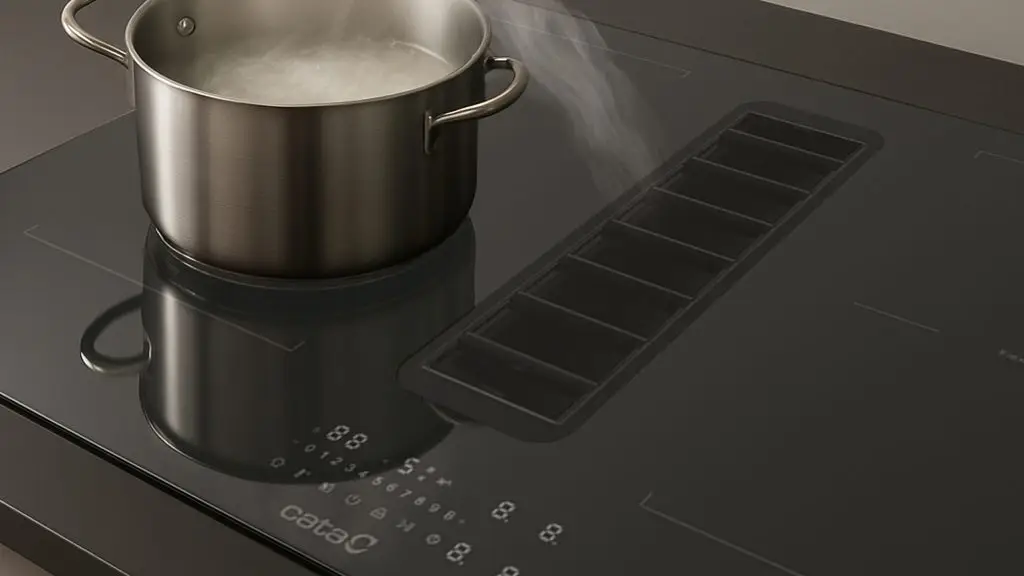
Induction uses electromagnetic energy. A coil beneath the glass surface generates a magnetic field that induces an electrical current directly in the base of the pan. The pan itself becomes the heat source. The glass remains relatively cool because it is not part of the heating process at all.
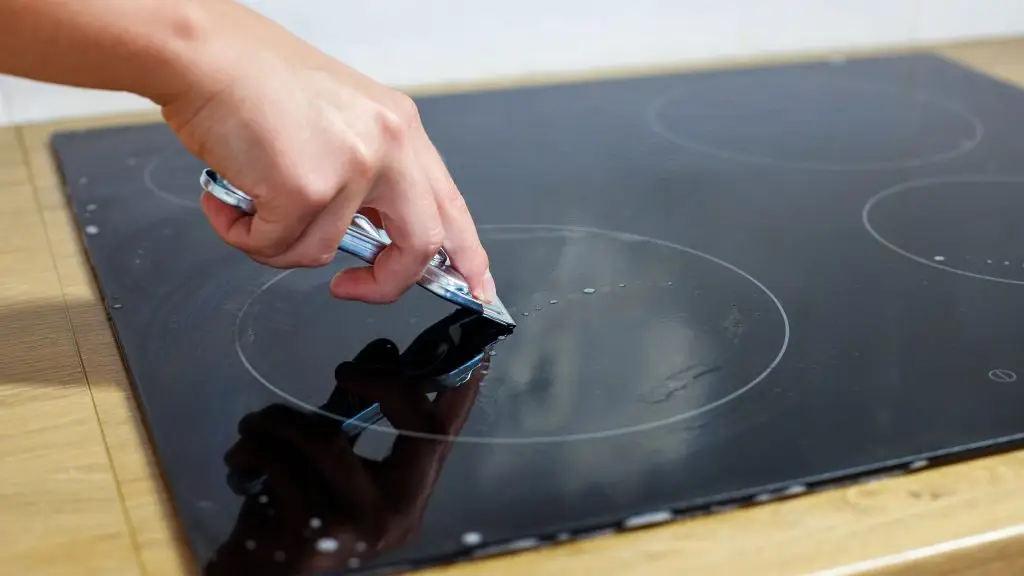
Ceramic uses resistive heating elements beneath a smooth glass-ceramic surface. The elements glow and heat the glass, which then transfers heat into the pan. This adds a stage to the process, which accounts for the slower response time and greater heat loss compared with induction.
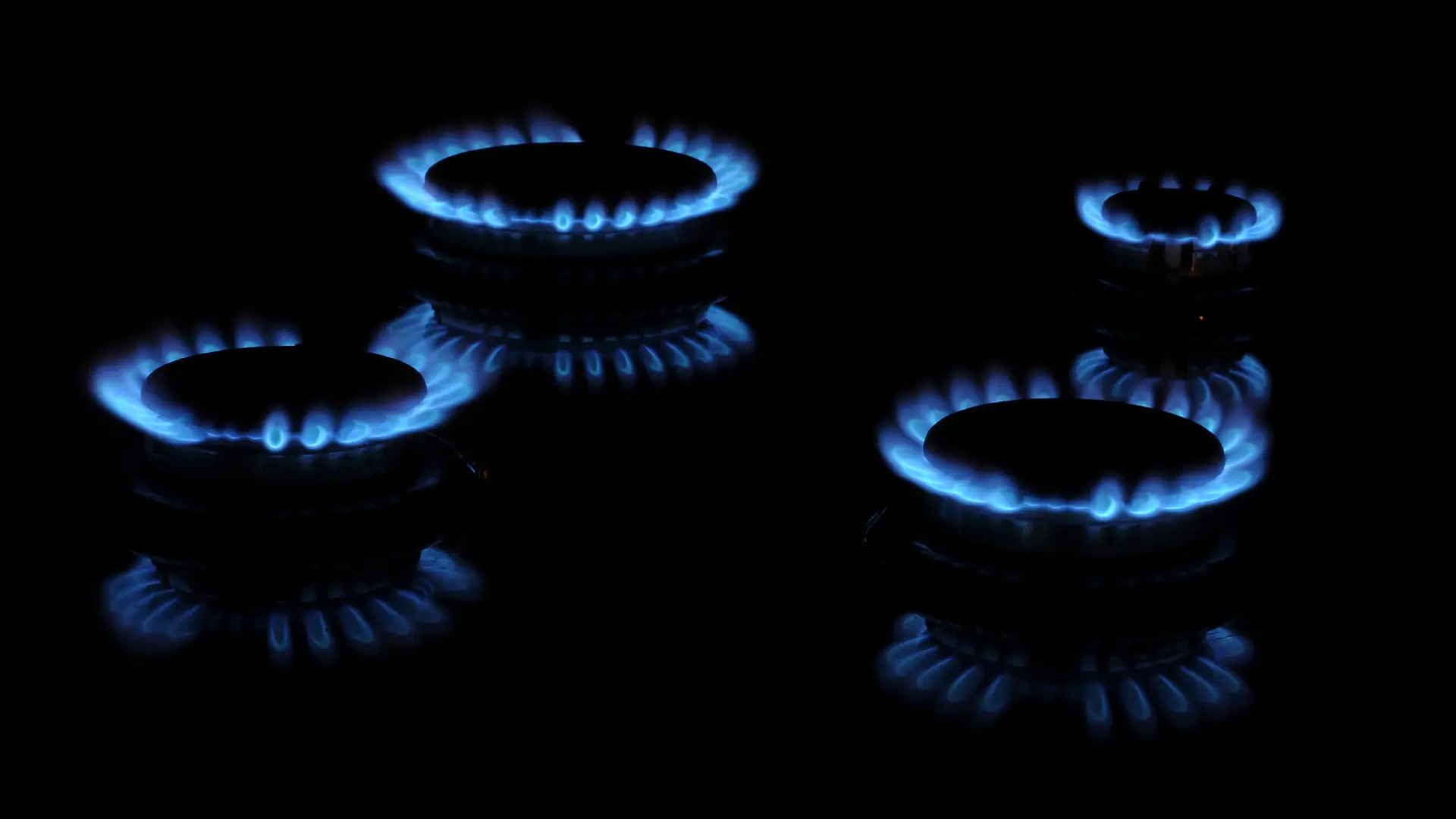
Gas burns fuel to produce an open flame directly beneath the pan. Heat is immediate and visually controllable, but a large proportion of the energy escapes around the sides of the pan and into the surrounding air rather than into the food.
Induction, Ceramic & Gas: A Closer Look
An induction hob heats the pan directly through electromagnetic induction, making it the most energy-efficient domestic hob type available. Because the glass surface does not generate heat itself, it stays cooler to the touch — a significant safety advantage in family kitchens. Response time rivals gas: turn the power up or down and the effect on your food is nearly instantaneous.
The main consideration is cookware compatibility. Induction requires pans with a ferromagnetic baseA base that contains iron — check with a fridge magnet before buying. Cast iron, most stainless steel, and pans labelled “induction ready” all work. Pure aluminium and copper do not, unless they have a dedicated magnetic layer bonded to the base. If you are replacing an existing hob, it is worth doing a magnet test on your current pans before committing to induction.
Strengths
- Fastest heat response of any hob type
- Highest energy efficiency — lowest running costs
- Cool-to-touch surface reduces burn risk
- Automatic pan detection — switches off when pan is removed
- Flat glass surface is easy to wipe clean
Considerations
- Higher upfront purchase price
- Requires compatible (magnetic-base) cookware
- Low-level fan noise during use
- Needs adequate electrical supply — check your fuse board
A ceramic hob is the most accessible electric option. The flat glass-ceramic surface accepts almost any flat-based pan and is straightforward to clean — no burner rings, no supports, no gaps for food to collect in. Upfront costs are typically lower than induction, making it a popular choice for those upgrading from an older solid-plate hob without wanting to invest in new cookware.
The trade-off is speed and precision. Because heat travels through the glass rather than being generated in the pan directly, response times are slower. Low-heat simmering can be less predictable, and the surface retains heat after you turn it off, which requires a little more awareness during cooking. Virtually every ceramic hob includes a hot-surface indicatorA light or symbol that stays on until the glass has cooled to a safe temperature for this reason.
Strengths
- Lower upfront cost than induction
- Compatible with virtually all flat-based pans
- Sleek, easy-to-clean surface
- Simple controls — good for straightforward cooking
Considerations
- Slower to heat and respond than induction
- Retains heat after switching off
- Higher running costs than induction over time
- Scratches possible if abrasive pans are dragged across the surface
Gas hobs have been the professional kitchen standard for decades, and the reasons are tangible: the flame is visible, adjustable in real time, and responds to your touch instantly. For certain techniques — high-heat stir-frying in a wok, charring peppers directly on the flame, or quickly reducing a sauce — gas delivers results that are genuinely harder to replicate on an electric hob.
The drawbacks are just as real, however. Gas is the least energy-efficient of the three types, with a significant proportion of heat escaping around the sides of the pan. Burner caps and pan supports require regular cleaning. And as the UK moves away from gas heating infrastructure, some homeowners are considering the longer-term picture when deciding whether to install a new gas hob. A good cooker hood is strongly recommended with any gas appliance to manage combustion by-products and cooking fumes.
Strengths
- Instant, visible flame control
- Works with any pan type including traditional woks
- No cookware restrictions
- Preferred by many experienced cooks for searing and stir-frying
Considerations
- Least energy efficient — highest running costs
- Requires a gas supply and adequate ventilation
- More cleaning effort (burner caps, supports)
- Open flame is a burn and fire risk
Side-by-Side Comparison
The table below covers the key factors most people weigh when choosing a hob. Use it alongside the tab sections above to build a complete picture.
| Factor | Induction | Ceramic | Gas |
|---|---|---|---|
| Heat response | Near-instant | Moderate | Instant (visual) |
| Energy efficiency | |||
| Running costs | Moderate — efficient but electricity ~24p/kWh | Moderate–higher — less efficient than induction | Competitive — gas ~5.7p/kWh offsets lower efficiency |
| Surface safety | Best — stays cooler | Moderate — retains heat | Lower — open flame |
| Cleaning | Very easy | Easy | More effort |
| Pan compatibility | Magnetic base required | Flat-based pans | Any pan type |
| Upfront cost | Higher | Lower | Medium |
| Installation | Electric — check supply | Electric — standard fit | Gas pipe + ventilation |
| Best for | Efficiency, families, speed | Budget, simplicity | High-heat, wok cooking |
Running costs: the unit rate matters. Induction is the most energy-efficient hob type, but electricity currently costs around 24.7p/kWh under the April 2026 Ofgem price cap — roughly four times the gas unit rate of 5.7p/kWh. This means gas, despite wasting more heat, can work out cheaper to run in practice depending on how much and how you cook. Use current tariff figures from the Ofgem price cap to calculate your specific costs.
Which Hob Is Right for You?
Most buying decisions come down to one or two priorities. These four profiles cover the most common scenarios — find the one that fits closest to your situation.
Energy efficiency
Induction. It uses the least energy per meal thanks to direct pan heating. However, because electricity costs roughly four times more per unit than gas, actual running costs depend on your tariff and cooking habits — induction is not automatically the cheapest to run.
Budget-conscious buyers
Ceramic. Lower upfront cost, no need to replace cookware, and a clean modern look. Running costs are higher than induction in the long run, but the initial outlay is significantly less.
Passionate & experienced cooks
Gas. Flame control that responds in real time, compatibility with rounded woks, and the ability to char, flambé, and sear at very high heat with visual precision.
Family kitchens & safety
Induction. The surface stays cool enough to touch shortly after cooking. Automatic pan detection means the hob will not heat unless a compatible pan is present, reducing the risk of accidental activation.
Practical Things to Consider Before Buying
Beyond hob type, a few practical factors can narrow your shortlist significantly:
Your existing cookware
If you are moving to induction, hold a fridge magnet to the base of your current pans. If it holds, the pan will work on induction. Cast iron, most stainless steel, and enamelled steel are all typically compatible. Pure copper and aluminium are not, unless they have a bonded magnetic layer — these pans are often labelled “suitable for all hobs” or carry a specific induction symbol. For ceramic and gas, virtually any flat-based pan works fine.
Your electrical supply
Both induction and ceramic hobs require a hardwired electrical connection. Higher-spec induction models with multiple high-power zones may need a 32-amp or 40-amp supply — worth checking with an electrician before you buy if your kitchen has an older consumer unit.
Ventilation requirements
Gas hobs produce combustion by-products including nitrogen dioxide, which means adequate extraction is not optional — it is a genuine health consideration. Induction and ceramic hobs produce steam and cooking odours but no combustion gases, though a quality cooker hood is still a good idea for grease and moisture management in any kitchen. Read our guide to choosing the right hob for your kitchen for more on pairing hobs with extraction.
Watch out for
- Buying an induction hob without testing your existing pans first — replacing a full set of cookware adds significant cost
- Overlooking installation costs — gas hobs may require a Gas Safe engineer and, in some cases, upgraded pipework
- Choosing based on upfront price alone without factoring in running costs over three to five years
- Underestimating cleaning time for gas — burner caps and supports need regular attention to work efficiently and safely
Frequently Asked Questions
Summary: Induction vs Ceramic vs Gas
All three hob types have genuine strengths. Induction leads on energy efficiency, speed, and surface safety. Ceramic offers a lower entry price and broad pan compatibility. Gas delivers tactile flame control and, thanks to low gas unit rates, often competitive running costs despite its lower thermal efficiency. None of the three is the outright winner on every measure.
The right decision depends on how you cook, what you already own, and what you prioritise over the long term. If you are still undecided, our full range of induction, ceramic, and gas hobs includes detailed specifications to help you compare models directly.
Explore More Kitchen Advice & Buying Guides
Browse our latest articles covering appliance tips, energy-saving advice, and expert guidance – designed to help you choose, use, and get the most from your kitchen appliances.