Home » Laundry Guides & Advice » Should You Leave the Washing Machine Door Open After Use?
Should You Leave the Washing Machine Door Open After Use?
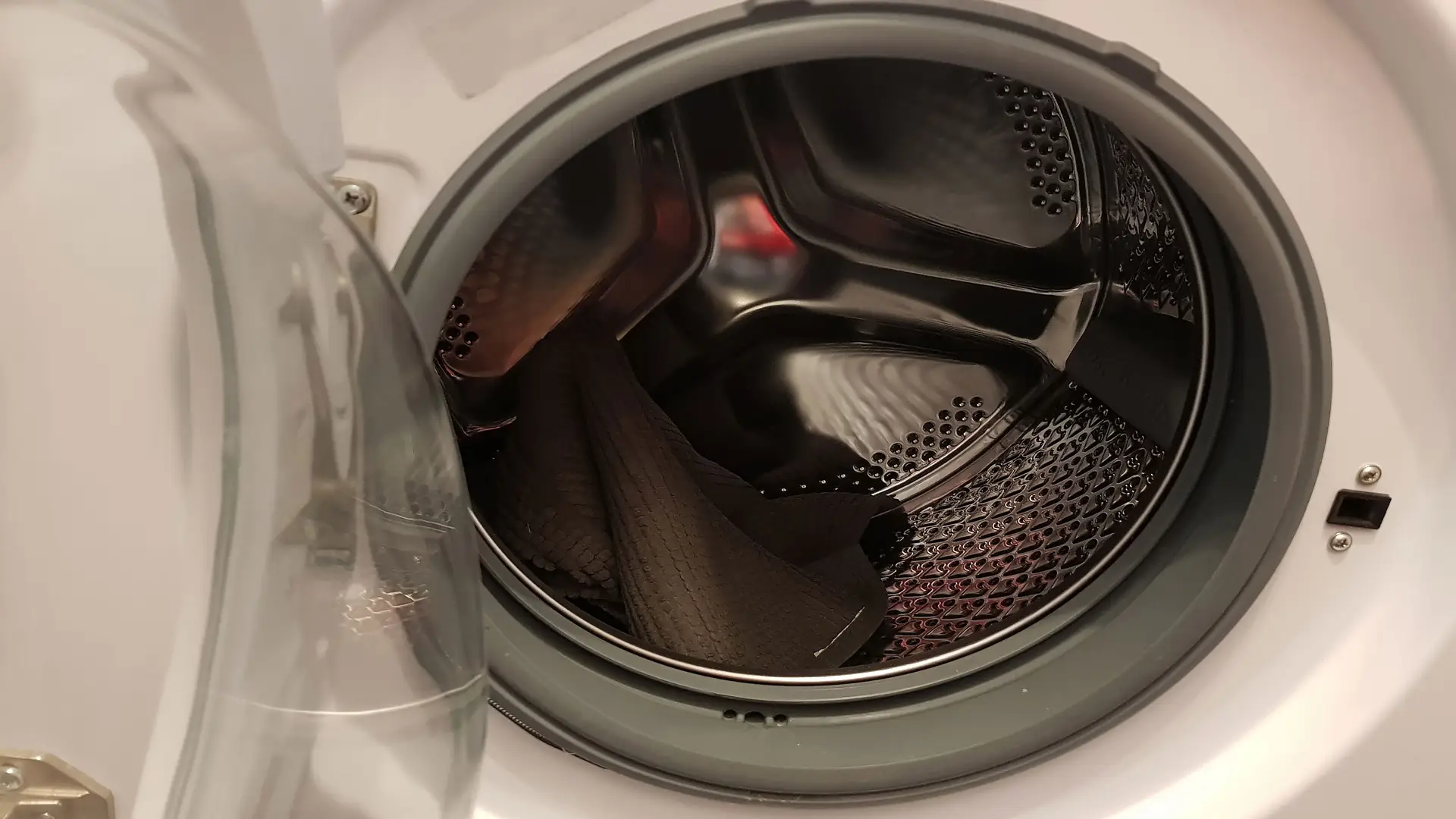
Yes — you should leave your washing machine door open after every cycle. Keeping the door ajar for at least a few hours allows residual moisture to evaporate, which prevents mould, mildew, and unpleasant odours from developing inside the drum and rubber door seal. It is one of the simplest habits you can adopt to keep your machine hygienic and extend its working life.
Why leaving the washing machine door open matters
Do
- Leave the door ajar after every wash
- Open the detergent drawer too
- Wipe the rubber seal after each use
- Run a hot maintenance wash monthly
- Ensure the laundry room is ventilated
Don’t
- Close the door immediately after unloading
- Leave wet clothes sitting in the drum
- Overdose on detergent — residue feeds bacteria
- Ignore a musty smell hoping it will clear itself
- Skip the seal wipe on front-loading machines
After a wash cycle finishes, the inside of your machine remains warm and damp. Closing the door traps that moisture with nowhere to go. In a sealed, dark cavity with residual warmth, the conditions are almost ideal for mould and bacteria to establish themselves — particularly on the rubber door gasket, where water tends to pool in the folds.
The consequences are practical and immediate. Mould growth on the door seal produces musty odours that can transfer directly onto freshly laundered clothes. Over time, the spores can also cause the rubber to deteriorate prematurely, which leads to a seal that no longer holds water reliably. What starts as a minor hygiene issue can become a costly repair.
Leaving the door open does one simple thing: it allows air to circulate freely through the drum. That airflow carries moisture away, and without persistent dampness, mould has no foothold.
Front-loader vs top-loader: does it make a difference?
The advice to leave the door open is most critical for front-loading washing machines, and there is a structural reason for this. Front-loaders use a thick rubber gasket around the door opening to create a watertight seal during the wash. That gasket has deep folds and crevices where water collects naturally. Without adequate drying time, this is where black mould growth typically begins.
Top-loading machines are less vulnerable. Because they open from above, any residual moisture tends to evaporate more readily — the drum geometry and the absence of a front-door gasket mean humidity does not concentrate in the same way. That said, leaving the lid ajar on a top-loader after use is still sensible practice. It adds nothing to your workload and removes any small risk of odour build-up in the drum interior.
If you have a washer-dryer combination, check the manufacturer guidance. Some models have specific ventilation requirements after a drying cycle, where residual heat and condensate need to clear before the door is closed.
How long should you leave it open?
A useful rule of thumb is to keep the door open for as long as your laundry takes to dry. If you hang clothes on a rack or put them out, leave the machine door ajar until you bring the washing in. For most households this means several hours, which is sufficient for the drum and seal to dry fully.
If space is a concern — perhaps the machine is in a narrow utility cupboard where an open door creates an obstruction — you do not need the door fully open. Even a few centimetres of clearance is enough to allow meaningful airflow. The goal is to break the sealed environment, not necessarily to open the door as wide as it will go.
If you run a wash late in the evening and need to close the door before bed, try to leave it open for at least two to three hours first. That window captures most of the evaporation. Closing the door after a thorough wipe-down of the seal is far better than closing it on a damp drum immediately after unloading.
Don’t forget the detergent drawer
Often overlooked
The detergent drawer is one of the most common sources of washing machine odour. Fabric conditioner residue, in particular, builds up in the softener compartment and turns rancid quickly in damp, enclosed conditions. Pull the drawer out fully after every wash and leave it open alongside the door.
The detergent drawer sees a constant cycle of moisture, soap residue, and darkness — three conditions that accelerate mould and bacteria growth. Many people focus entirely on the door and drum while ignoring the drawer, only to find a persistent musty smell that a drum clean alone cannot resolve.
Pulling the drawer open after each wash takes seconds and makes a considerable difference over time. If you notice visible mould or a pink-tinged residue in the softener compartment, remove the drawer entirely and clean it under warm running water with an old toothbrush. Most drawers clip out with a simple press-and-pull action — check your machine’s manual if you have not done this before.
A simple post-wash routine
Good washing machine hygiene does not require much time. The following routine, carried out consistently after every cycle, covers the essentials:
Remove clothes as soon as the cycle finishes. Leaving wet laundry sitting in the drum for extended periods raises humidity inside the machine and increases the risk of musty odours transferring to the fabric.
On front-loaders, run a dry cloth around the inside of the rubber gasket after each wash. Pay particular attention to the lower folds where water pools. This removes both residual moisture and any detergent residue before it has the chance to set.
Leave both ajar to allow air to circulate through the drum, drum casing, and detergent compartment. For front-loaders, this is the single most effective thing you can do to prevent mould growth.
Once a month, run an empty hot cycle — 60°C or above — using a proprietary washing machine cleaner or a small amount of white vinegar. This flushes the drum, hoses, and internal components, clearing any bacteria or detergent build-up that regular washes leave behind. The NHS recommends washing items at 60°C to kill bacteria and viruses where hygiene is a concern, and the same principle applies to the machine itself.
When leaving the door open is not enough
If your machine already has a persistent musty smell despite keeping the door open regularly, the mould is likely already established — either on the rubber seal, in the detergent drawer, or inside components you cannot reach by wiping. Opening the door prevents future build-up, but it will not clear an existing problem on its own.
In that case, start with a thorough manual clean of the seal and drawer, then follow it up with one or two consecutive maintenance washes at 60°C using a dedicated washing machine cleaner. Products designed specifically for this purpose contain surfactants and descaling agents that penetrate internal pipework more effectively than vinegar alone.
If the smell persists after several cleaning cycles, mould may have grown behind the drum or in the pump filter — areas you cannot clean without disassembly. At that point, it is worth calling a qualified appliance engineer rather than attempting to take the machine apart yourself, which may also affect your warranty.
Keeping the machine in a well-ventilated room also plays a role. A laundry room or utility area with no natural ventilation will remain humid after a wash cycle, which slows the drying process inside the machine even with the door open. If ventilation is poor, consider a dehumidifier or an extractor fan to reduce background humidity in the room itself.
For further guidance on household moisture management, the UK government’s guidance on understanding and addressing the health risks of damp and mould covers the relationship between poor ventilation, humidity, and mould growth in residential settings.
Frequently asked questions
Yes, it is perfectly safe to leave the door open whenever the machine is not in use. There is no electrical or mechanical risk from doing so. The only practical consideration is if the open door creates a hazard in a narrow space, in which case leaving it slightly ajar rather than fully open achieves the same ventilation benefit.
No. Opening the door after a wash does not affect the machine’s energy consumption. The drum and heating element are only active during a cycle. Leaving the door ajar between washes uses no electricity whatsoever.
If the smell persists despite keeping the door open, mould or bacteria has likely already established itself in the seal, the detergent drawer, or the pump filter. Leaving the door open prevents future build-up but will not clear existing growth. Clean the rubber seal and detergent drawer thoroughly, then run two or three consecutive maintenance washes at 60°C with a dedicated washing machine cleaner. If the smell remains after that, the machine may need a professional service.
Top-loaders are less prone to mould than front-loaders because they lack a sealed rubber gasket where water collects. That said, leaving the lid open after a cycle is still a sensible habit — it allows the drum to air dry fully and reduces the small risk of odour forming over time. There is no downside to doing so.
Pull back the folds of the rubber gasket and wipe thoroughly with a damp cloth after each wash to remove moisture and residue. For visible mould, spray the affected area with a diluted white vinegar solution or a specialist rubber seal cleaner, leave it for a few minutes, then scrub gently with an old toothbrush and wipe clean. Wear rubber gloves when doing this. After cleaning, leave the door open so the seal can dry completely.
Yes, mould spores from the machine can transfer onto clothing during a wash and subsequently come into contact with skin. This can cause or aggravate respiratory symptoms, skin irritation, and allergic reactions in sensitive individuals. People with asthma or a mould allergy are particularly at risk. Keeping the machine clean and well ventilated is a straightforward way to remove this risk entirely.
Key takeaways
- Always leave the washing machine door open after a cycle — even a few centimetres of clearance is enough to allow ventilation.
- Front-loading machines are most at risk because their rubber door gaskets trap moisture in deep folds.
- Open the detergent drawer as well as the door after every wash to prevent residue build-up and odours.
- Wipe the rubber seal dry after each use on front-loaders to remove pooled water before it can encourage mould growth.
- Run a hot maintenance wash at 60°C or above once a month using a dedicated washing machine cleaner.
- If the machine already smells musty, clean the seal and drawer manually first, then follow up with maintenance washes — opening the door alone will not clear established mould.
Explore More Kitchen Advice & Buying Guides
Browse our latest articles covering appliance tips, energy-saving advice, and expert guidance – designed to help you choose, use, and get the most from your kitchen appliances.