The Ultimate Guide to How Ovens Work
An oven is an insulated cavity that heats food using one or more of three heat transfer mechanisms: conduction, convection, and radiation. The type of oven, the cooking mode selected, and the position of food within the cavity all determine how those mechanisms are applied. Understanding these basics makes the difference between following a recipe and actually understanding what your oven is doing — and being able to correct it when results fall short.
How Heat Cooks Food
Every oven, regardless of type or price, cooks food using some combination of three fundamental heat transfer mechanisms. Modern oven design is essentially the science of applying these in the most useful proportions for different cooking tasks.
Conduction
Direct transfer of heat through contact. A baking tray heated by the oven floor conducts heat into the food sitting on it. Responsible for crisp bases on bread, pastry, and pizza.
Convection
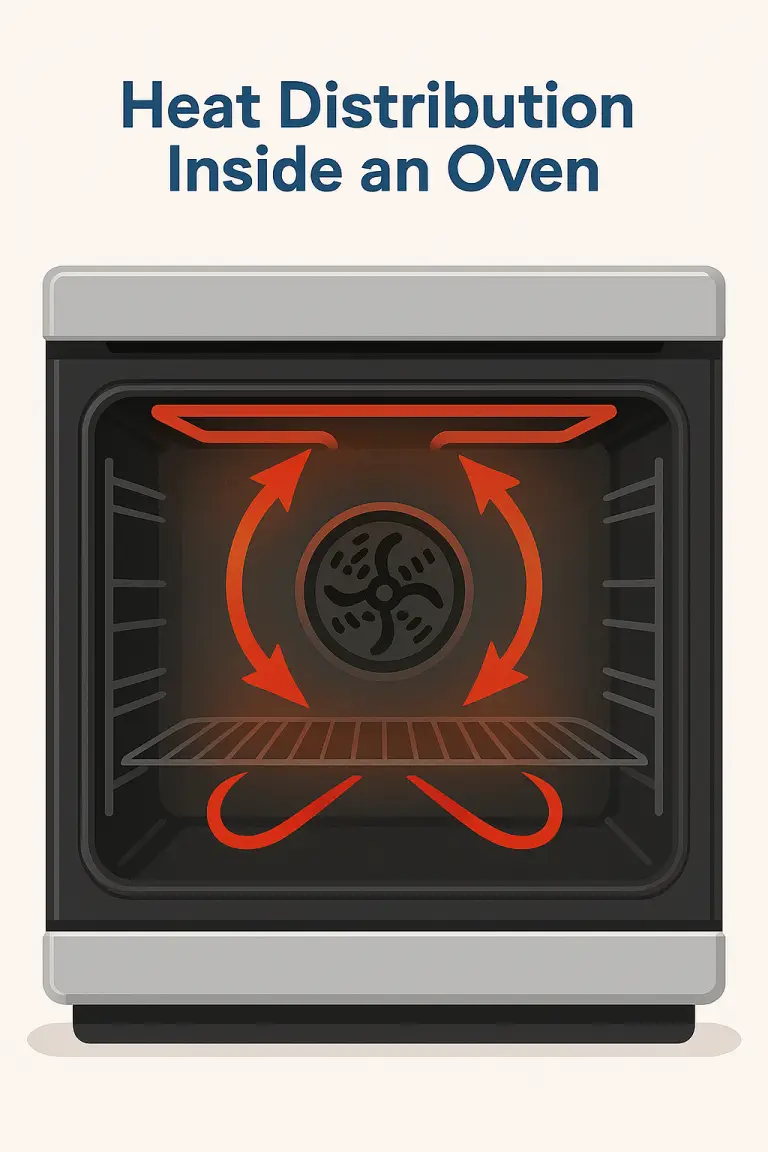
Transfer of heat through moving air. Hot air rises, cooler air falls, creating natural circulation inside the cavity. Fan ovens accelerate and direct this process for faster, more even cooking.
Radiation
Direct heat emitted from elements or flames without contact. The grill element radiates infrared heat that browns and crisps food surfaces — the same mechanism as the sun warming your face.
In a conventional oven with no fan, natural convection carries most of the heat — the top of the cavity is consistently hotter than the bottom because hot air rises. In a fan oven, forced convection equalises temperature across all shelf positions. In grill mode, radiation dominates. Most real cooking uses all three to different degrees.
The Main Oven Types
Uses resistance heating elements combined with a fan that circulates hot air throughout the cavity. The standard oven type in most UK kitchens. Produces consistent, dry heat with even temperature across all shelf positions. Faster than conventional electric. Ideal for baking, batch cooking, and most everyday use.
Top and bottom elements heat the cavity without a fan. Natural convection produces a temperature gradient — hotter at the top, cooler at the bottom. Suits dishes that benefit from this gradient (crispier tops, gentler base heat) but less suitable for multi-shelf cooking where uniformity matters.
A gas burner, typically at the base of the cavity, heats the oven. Gas produces a slightly moister heat than electric because combustion produces water vapour — beneficial for roasting meats but can slow the development of a crisp crust. Gas ovens heat up quickly and respond well to temperature changes.
Introduces controlled steam into the cavity during cooking. Preserves moisture in food — vegetables retain colour and nutrients, bread develops a better crust, fish remains succulent. Some models combine steam with conventional heat for maximum flexibility. Steam ovens require a water reservoir or plumbed connection.
Combines two or more cooking technologies in a single appliance — most commonly microwave and fan oven, or convection and steam. Combination modes allow the oven to heat through food quickly using microwave energy while the fan element browns and crisps the exterior. Used in combination microwaves and in professional catering equipment.
Key Components and What They Do
Heating elements
Resistance coils at the top and bottom of the cavity convert electrical current to heat. The bottom element provides most of the heat during baking; the top element handles grilling and browning. Fan ovens add a circular rear element specifically to heat the circulated air.
Thermostat and temperature sensor
The sensor monitors cavity temperature and reports to the control board, which cycles the elements on and off to maintain the set temperature. A drifting sensor is the most common cause of an oven running hotter or cooler than indicated — verifiable with an oven thermometer.
Fan and motor
In fan and fan-assisted modes, the motor spins the fan continuously during cooking. The fan distributes heat from the rear element evenly across all shelf positions. A slowing or failing fan produces uneven cooking and longer preheat times before the temperature sensor registers the set temperature.
Door and insulation
The oven door seals the cavity thermally. Modern oven doors use double or triple glazing between the panels to reduce heat transfer to the outer surface. The insulation surrounding the cavity reduces heat loss through the walls, improving energy efficiency and maintaining stable temperatures.
Oven light
Illuminates the interior so you can check food without opening the door and losing heat. Oven bulbs are high-temperature rated — not interchangeable with standard bulbs. LED oven lights are increasingly common and generate less heat inside the cavity than traditional incandescent types.
Control panel
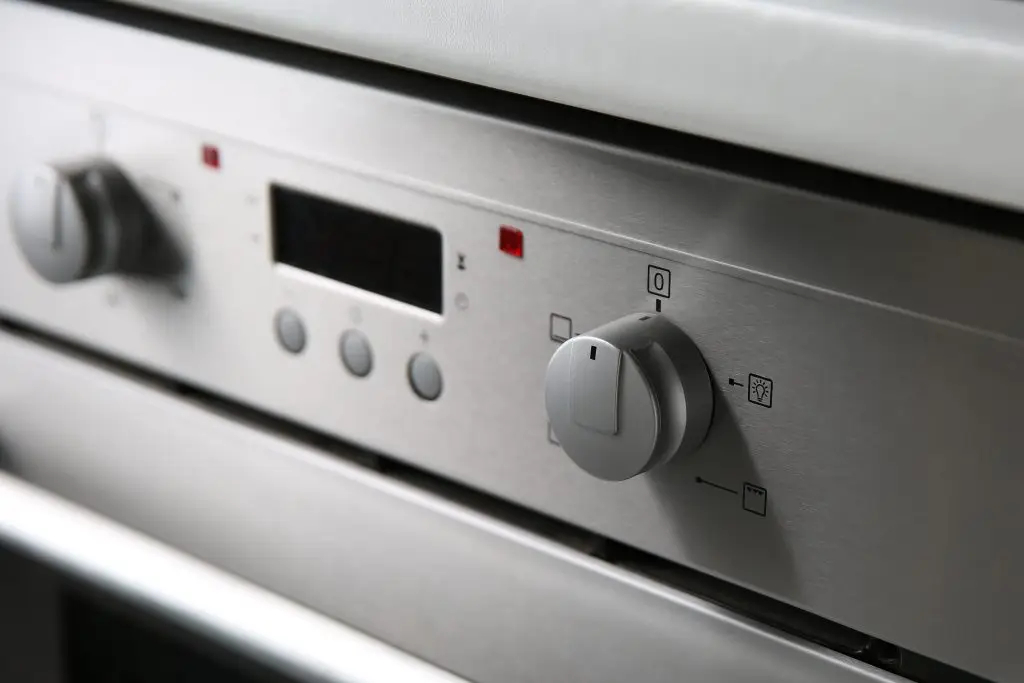
Provides access to temperature setting, cooking mode selection, timer, and additional functions. Physical rotary controls tend to be more robust and intuitive for quick adjustments. Touch controls are easier to clean but can require more deliberate interaction. Some models offer programmable cooking sequences via digital interfaces.
Heat Distribution and Rack Position
Grilling and browning
Closest to the top element. High radiant heat browns surfaces quickly. Best for gratins, cheese on toast, and finishing dishes that need colour on top.
General baking and roasting
The most balanced position. Equal exposure to heat from above and below. The default position for most baking, roasting, and everyday cooking.
Crisping bases
Closest to the lower element. More base heat for crisping. Best for pizza, pastry cases, and bread where a firm, dry base is needed.
Cooking Modes Explained
Modern multifunction ovens offer a range of cooking modes. The table below covers the most common, what they actually do to heat distribution, and what they are best used for.
| Mode | Heat source | Best for |
|---|---|---|
| True fan (fan only) | Rear ring element + fan | Batch baking, multi-shelf cooking, pastry, meringues. Even temperature on all shelves. Reduce recipe temperature by 20°C. |
| Fan-assisted | Top + bottom elements + fan | Roasting, general everyday cooking. Fan distributes top and bottom heat for faster, more even results than conventional. |
| Conventional (top + bottom) | Top + bottom elements | Dishes needing a temperature gradient — crispier tops, gentler base. Quiches, lasagne, some fruit cakes. |
| Grill | Top element (high intensity) | Browning surfaces, melting cheese, finishing dishes. Food should be close to the element. Not for cooking through thick items. |
| Fan grill | Top element + fan | Grilling thicker items such as chicken pieces — fan circulates heat to cook through while the element browns the surface. |
| Pizza mode | Bottom element + fan | Intense base heat for crisp pizza bases. Fan maintains even top temperature. Food placed on lowest shelf. |
| Defrost | Fan only (no heat) | Safe, even thawing using air circulation without heat. Faster than countertop defrosting and more even. |
| Bread proving | Low heat + light humidity | Maintaining a warm environment for dough to rise before baking. Typically 30°C to 40°C. |
| Slow cook | Low heat (all elements) | Long, low-temperature cooking for stews, pulled meats, and casseroles. Typically 100°C to 120°C over several hours. |
Modern Technology Features Worth Knowing
Pyrolytic self-cleaning
The cavity heats to 450°C to 500°C, incinerating food residue to ash. The door locks automatically during the cycle. After cooling, wipe out the fine ash — no scrubbing required. The most effective self-cleaning system available on domestic ovens.
Catalytic liners
Textured panels coated with a catalytic material that oxidises grease during normal high-temperature cooking. Works passively — no dedicated cycle required. Does not clean the door, base, or shelf runners, which still need occasional manual cleaning.
Meat probe / temperature probe
A probe inserted into the thickest part of a joint or bird monitors internal food temperature. The oven switches off or alerts when the target temperature is reached — removes the need to check manually and eliminates the guesswork from meat cookery.
Triple-glazed door
Three layers of glass between the oven interior and the outer surface significantly reduce heat transfer. The outer door surface remains cool enough to touch safely, improving kitchen safety and reducing heat loss from the cavity.
Rapid preheat
Activates all available elements simultaneously at maximum output during the preheat phase, then switches to the selected cooking mode once temperature is reached. Reduces preheat time by 30 to 40 percent compared to standard preheat in most models.
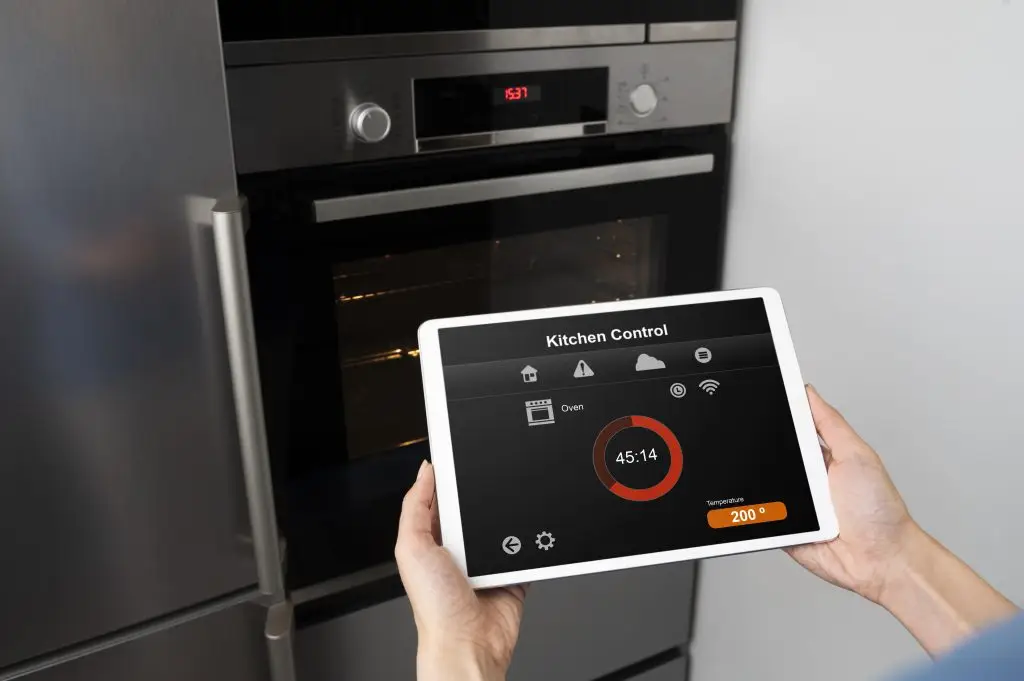
Programmable cooking
Allows a cooking sequence to be set in advance — start time, cooking duration, and temperature — so the oven switches on and off automatically. Useful for timing a roast to finish when you return home, or for slow overnight cooking.
Common Oven Myths
“Fan ovens do not need preheating”
Fan ovens reach temperature faster than conventional, but they still need to be at the set temperature before food goes in. Loading food into a cold oven means the first phase of cooking happens below the intended temperature, affecting rise, crust development, and cooking time accuracy.
“Opening the door to check is harmless”
Each time the door opens, 10°C to 20°C of heat escapes the cavity instantly. For most robust dishes — roasts, casseroles — this is recoverable. For baking, particularly delicate cakes and soufflés that rely on a consistent temperature to rise and set, it can cause the structure to collapse before it has set.
“All ovens cook the same at the same temperature”
Ovens vary significantly in actual temperature at any given dial setting. A calibration error of 20°C is common and can increase over the appliance’s lifespan. An oven thermometer is the only reliable way to know what temperature your oven is actually reaching, and is one of the most cost-effective kitchen investments available.
“Lining the oven floor with foil protects it”
Foil on the oven floor blocks airflow from the lower element, disrupts the temperature distribution in the cavity, and can damage the element itself by reflecting heat back onto it at high intensity. Any spills that need to be caught should be managed with a tray on the shelf below, not foil on the floor.
“Self-cleaning ovens clean themselves completely”
Pyrolytic cleaning reduces all residue inside the cavity to fine ash, which you wipe out — but the oven door glass, the shelf runners, and any removable accessories that are not left inside during the cycle still need manual cleaning. Pyrolytic is genuinely transformative for the cavity interior but is not a complete zero-effort solution.
“A dirty oven does not affect cooking performance”
Heavy grease deposits on cavity walls absorb heat rather than reflecting it, affecting temperature distribution and making the oven slower to reach and maintain its set temperature. Carbonised residue on the base can also smoke at normal cooking temperatures, affecting the flavour of whatever is being cooked.
For practical guidance on getting the most from your oven’s cooking modes, the guide to true fan vs fan-assisted baking covers mode selection in detail. If your oven is taking longer than expected to reach temperature, the guide to why ovens take so long to heat up walks through the diagnostic. Browse the CATA single oven range and double oven range for models with pyrolytic cleaning, rapid preheat, and multifunction cooking modes.