Which Hob Should I Buy? A Practical Buying Guide
The right hob is determined by three things: your kitchen’s power supply, how you cook, and how much you want to spend. Gas suits experienced cooks who want visible, intuitive heat. Ceramic is the most affordable electric option. Induction is faster, safer, and easier to clean than either. Vented induction eliminates the need for a separate cooker hood. Domino hobs suit small kitchens or bespoke configurations. This guide covers all five so you can make the right choice without second-guessing it.
What to Consider First

Power supply
Gas hobs need a gas supply and an adjacent socket for the ignition. Electric hobs (ceramic, induction, vented induction) need a dedicated 32A or 40A circuit for most models, or a standard 13A socket for plug-in induction models. If your kitchen only has one type of supply, this narrows the choice immediately.
Kitchen layout and size
Standard hobs come in 60cm and 90cm widths. Compact kitchens may suit a 60cm four-zone model or a domino hob. Open-plan kitchens often benefit from vented induction, which eliminates the need for a wall or ceiling-mounted hood. Island kitchens typically require a downdraft or vented solution.
Cooking habits
A household that primarily reheats and boils will be well served by any hob type. A household that sears, wok-cooks, or simmers delicate sauces regularly will notice the difference between a precise induction hob and a slower-responding ceramic. Gas offers the most tactile control; induction offers the most precise digital control.
Cleaning preferences
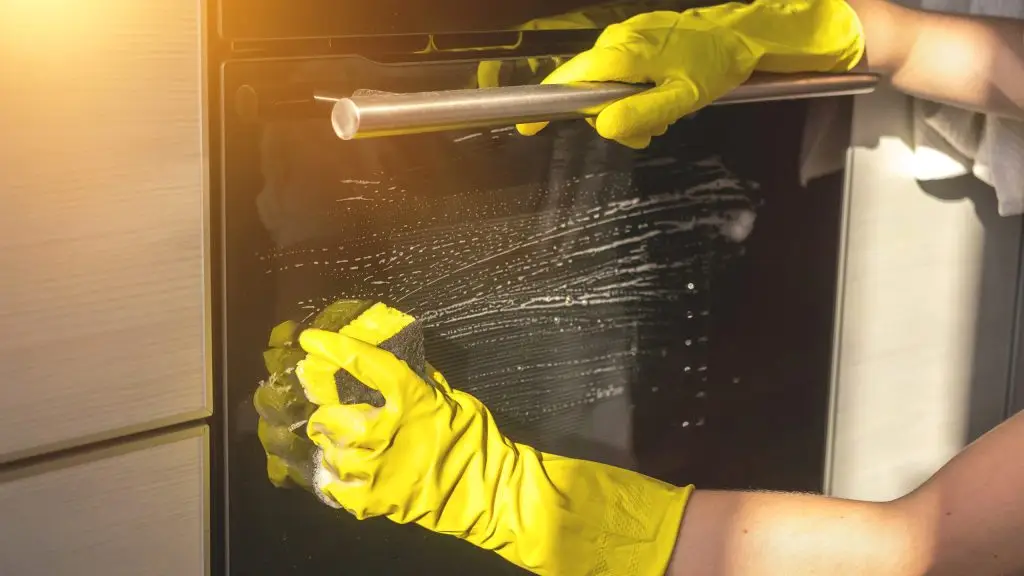
Induction and ceramic are the easiest to clean — flat glass surfaces with no crevices. Gas hobs have pan supports, burner caps, and multiple components that collect grease and require more frequent, more effortful cleaning. If low-maintenance cleaning is a priority, electric is the better choice.
Budget — upfront and running
Ceramic is the least expensive to buy. Gas has low running costs where mains gas is cheaper than electricity per unit of energy. Induction has a higher upfront cost but uses energy more efficiently — less heat is lost to the surroundings — which reduces running costs over time. Vented induction is the most expensive but replaces two appliances.
Cookware compatibility
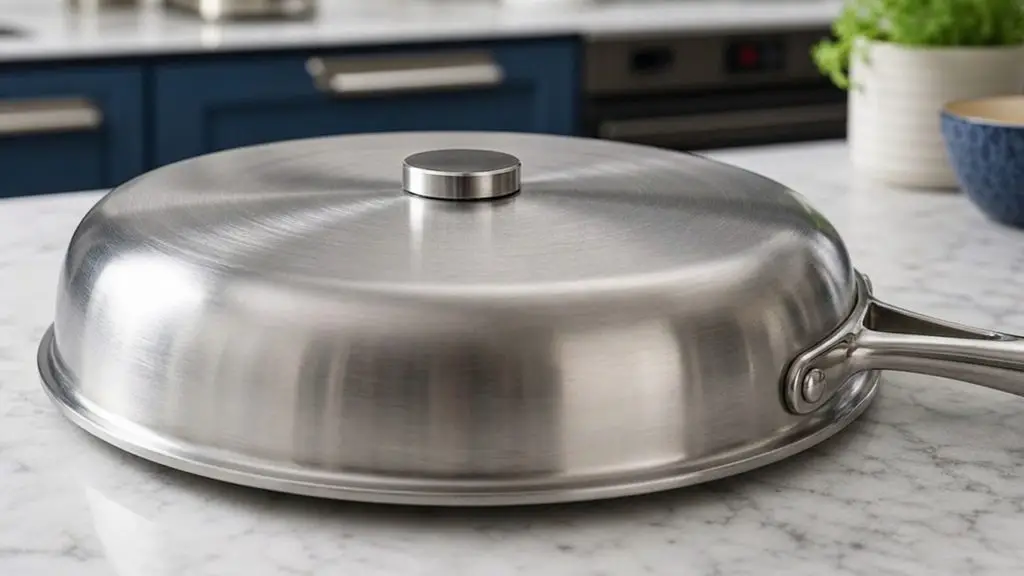
Gas and ceramic work with any pan material. Induction and vented induction require pans with a ferromagnetic base — the magnet test confirms compatibility. If you have a large existing collection of copper or aluminium pans, factor in the cost of replacing them when budgeting for induction.
The Five Hob Types Explained
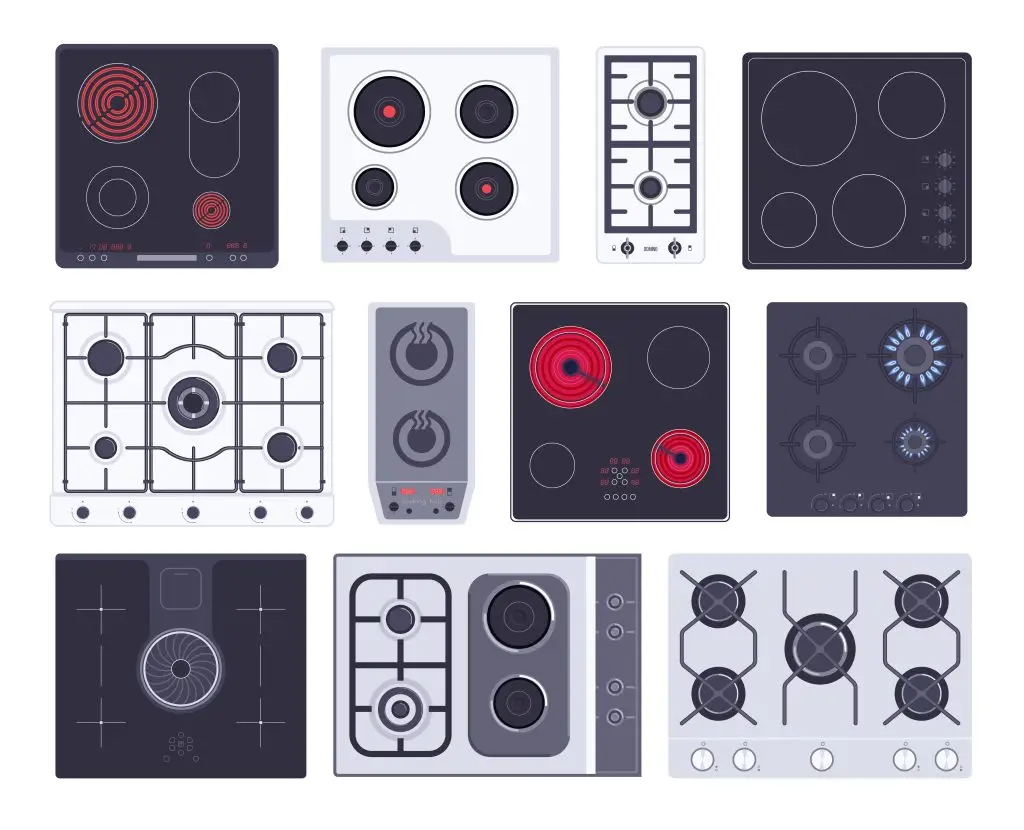
Induction hobs
Induction heats the pan directly using an electromagnetic field, leaving the glass surface cool around the cooking area. The result is the fastest heat-up of any hob type, near-instant response to power adjustments, and a surface that does not burn spills — making cleanup a wipe rather than a scrub.
Induction is the best all-round choice for most modern kitchens. It is faster and more energy-efficient than gas or ceramic, safer than both (no open flame, no hot surface outside the pan contact area), and the easiest to keep clean. The only practical considerations are cookware compatibility and the need for a dedicated electrical circuit in most installations.
Ceramic hobs
Ceramic hobs heat radiant elements beneath a flat glass-ceramic surface. The elements heat the glass, the glass heats the pan. This method is slower than induction — heat-up takes two to three times as long — and the surface remains hot after cooking, which is a burn risk and means spills can bake on. However, ceramic is the most accessible electric hob option and works with any pan material.
Ceramic is the right choice for households that want a flat, easy-to-wipe electric surface at a lower price than induction, and who cook at a pace where the slower response time is not a practical problem. It is not suitable for households where speed, precision, or energy efficiency are priorities.
Gas hobs
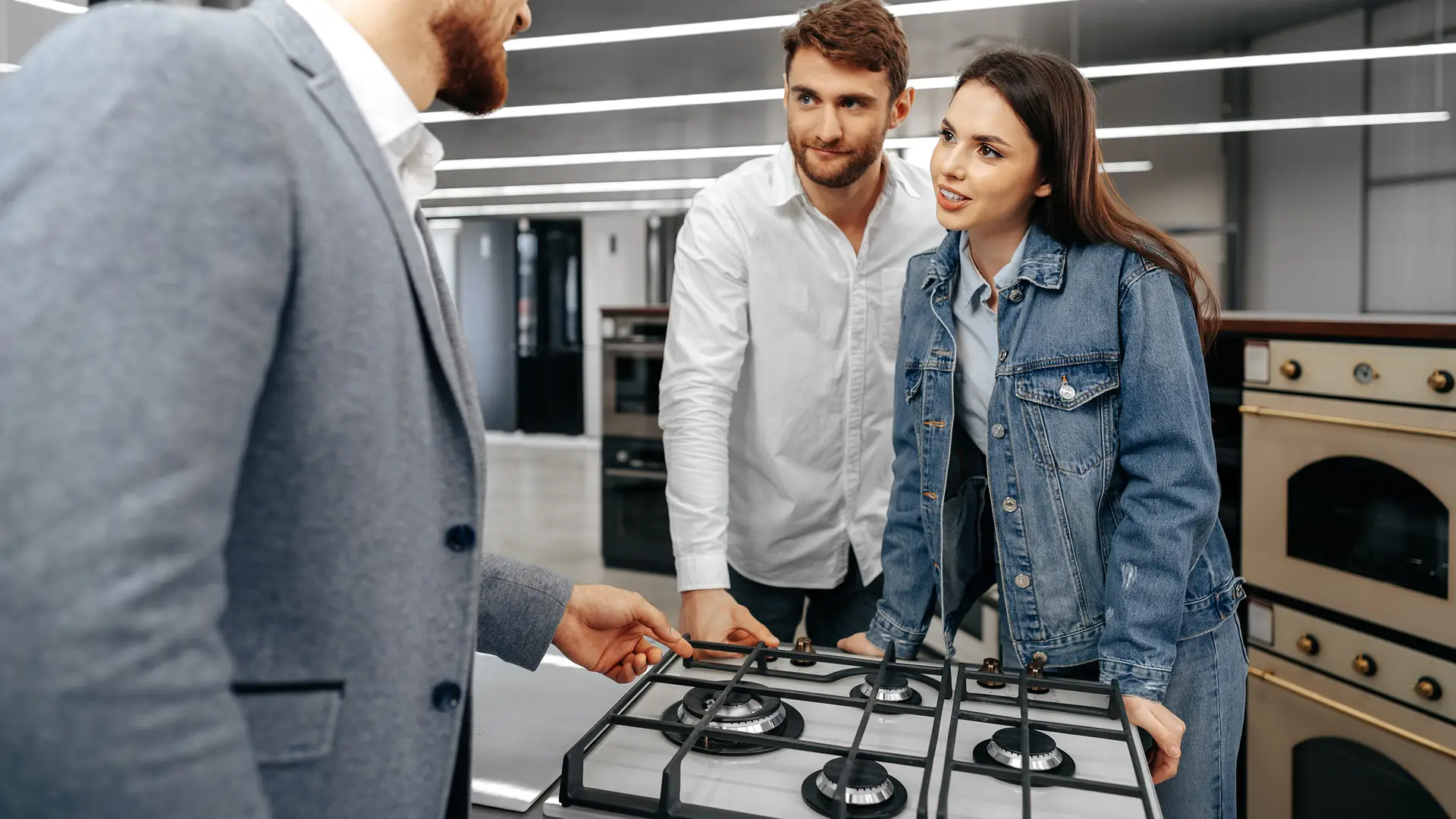
Gas produces an open flame with immediate, visible heat that experienced cooks find intuitive to control. You can see and hear the flame respond instantly to adjustments, which for high-heat cooking — searing, wok cooking, charring — offers a different kind of control to the digital precision of induction. Gas also works during a power cut.
The trade-offs are meaningful. Gas hobs require more frequent and more involved cleaning: pan supports, burner caps, and the area around each burner accumulate grease that cannot simply be wiped away. A gas supply is required — not available in all properties or locations. Gas hobs are also less energy-efficient than induction, as a significant proportion of the energy is lost to the surrounding air rather than going into the pan.
Vented induction hobs
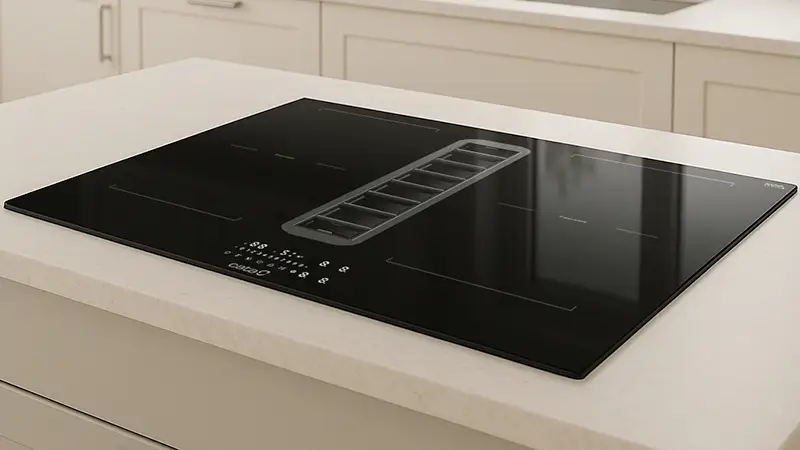
A vented induction hob combines an induction cooking surface with a built-in extraction system that draws steam, vapour, and cooking odours downward through the hob itself, rather than upward to a wall or ceiling hood. The motor and filtration unit sit beneath the hob, often venting to outside via a duct routed through the worktop and cabinetry below.
This is the ideal solution for open-plan kitchens where a wall hood is not possible, island kitchens where running ductwork overhead is impractical, or kitchen designs where a hood would disrupt the visual line. It effectively replaces two appliances — hob and cooker hood — in a single unit. The upfront cost reflects this, but the combined cost of hob and hood separately often approaches or exceeds it for a comparable specification.
Domino hobs
Domino hobs are compact single- or two-zone units — typically 30cm wide — designed to be installed individually or in combination to create a bespoke cooking configuration. Two induction dominos side by side give a 60cm induction surface. An induction domino paired with a gas domino gives a mixed cooking setup. A single domino works as a space-efficient solution for studio apartments or secondary cooking areas.
The modular approach suits households with specific cooking preferences — a chef who wants one gas zone for wok cooking alongside two induction zones for everything else, for example — or small kitchens where a full-width hob would dominate the worktop. The per-zone cost of domino hobs is higher than equivalent standard hobs, but the flexibility is unique to this format.
Sizes and Configurations
Two-zone hobs
For compact kitchens, studios, or low-volume cooking. Most commonly found as domino format at 30cm wide.
Four-zone hobs
The standard configuration. Available in 60cm and in some induction formats with flex zone bridging for larger cookware.
Five- and six-zone hobs
Typically 90cm wide. Suited to larger families, serious cooking, or kitchens where multiple dishes are prepared simultaneously.
On induction hobs, pay attention to whether flex zones or bridge zones are available — these allow adjacent zones to be combined for griddle pans, fish kettles, or large paella pans. The 90cm six-zone induction format with full flex zone capability is the most versatile configuration available for heavy-use kitchens.
Features Worth Paying For
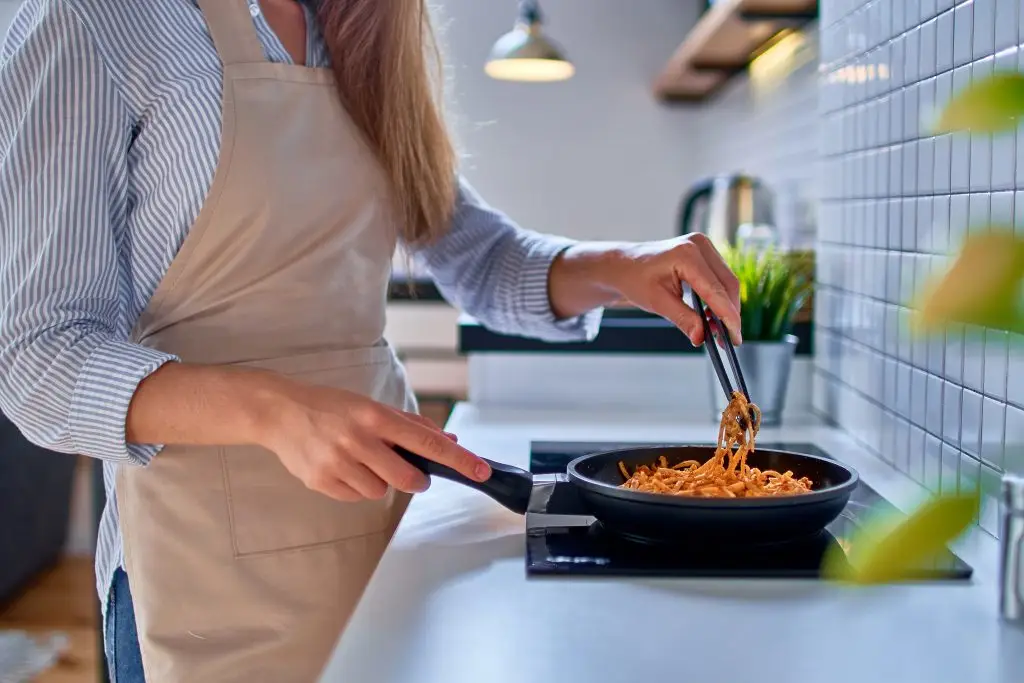
- Boost or power mode — runs a zone at maximum output for rapid boiling. Standard on most induction hobs; worth checking it is present and effective before buying. Most useful for pasta, blanching, and any cooking that requires bringing a large volume of water to the boil quickly.
- Residual heat indicators — display on each zone whether the glass surface is still hot after use. Essential on ceramic hobs where the surface remains hot long after the element is switched off. Less critical on induction (where the glass does not heat independently) but still useful when the pan has been removed while still hot.
- Child lock — disables all controls with a button hold. Worth having in any household with young children. Most current induction and ceramic hobs include this as standard; gas hobs rarely do.
- Timer function — allows a zone to switch off automatically after a set duration. Useful for unattended cooking — rice, slow simmering, stock — where you want the hob to stop without needing to return to the kitchen at a precise moment.
- Flex zone or bridge zone — induction specific. Allows two adjacent zones to operate as a single elongated zone for griddle pans, fish kettles, and other large-format cookware. Only available on induction hobs and increasingly on mid-range and premium models.
- Touch controls with lock — touch panels are easier to clean than knobs and rotary controls, which collect grease around their edges. A panel lock prevents accidental activation when the surface is being wiped. Standard on most electric hobs; less common on gas.
Which Hob for Which Household
| If you are… | Consider | Why |
|---|---|---|
| Replacing gas and want to switch to electric | Induction (60cm, 4-zone) | Faster than gas, easier to clean, compatible with most gas cookware if it passes the magnet test. |
| On a tight budget | Ceramic (60cm, 4-zone) | Lowest upfront cost among electric hobs. Works with any pan. Adequate for everyday cooking. |
| Cooking for a large family or entertaining regularly | Induction (90cm, 5 or 6-zone with flex) | Maximum zones, flex capability for large cookware, fastest performance across all zones simultaneously. |
| Designing an open-plan kitchen or island layout | Vented induction | Eliminates the wall hood. Keeps the visual line clean. Handles extraction at source rather than overhead. |
| An experienced cook who prefers flame | Gas hob (4 or 5-zone) | Tactile, visible, immediately responsive heat. Works with any pan. Requires gas supply and regular cleaning. |
| Working with a small kitchen or compact worktop | Domino induction or 60cm plug-in induction | Minimal footprint. Plug-in induction (such as the CATINDE60HF) needs no dedicated circuit — just a standard socket. |
| Wanting a bespoke or mixed cooking setup | Domino hobs (mixed configuration) | Combine induction and gas zones to suit specific cooking preferences without compromise. |
CATA’s full hob range covers induction, ceramic, gas, vented, and domino formats in 60cm and 90cm configurations. For a deeper look at specific topics: how to use an induction hob, bridge zones explained, and plug-in induction hobs and socket requirements.