Home » Hob Guides & Advice » Do Induction Hobs Require Special Wiring?
Do Induction Hobs Require Special Wiring?
Most full-sized induction hobs do require a dedicated hardwired circuit rather than a standard 13-amp plug socket. Whether your installation needs new wiring depends on your hob’s power rating, the existing electrical supply in your kitchen, and whether a suitable cooker circuit is already in place. All new wiring work in a UK kitchen must be carried out by or notified through a qualified electrician under Part P of the Building Regulations.
Quick lookup: what your hob is likely to need
The table below gives a general guide based on hob type and power rating. Always check your specific model’s installation manual for the manufacturer’s stated requirements, and consult a qualified electrician before any installation work begins.
| Hob type | Typical power rating | Connection required | New wiring needed? |
|---|---|---|---|
| Compact / 2-zone plug-in | Up to 3.0 kW | 13-amp plug socket | Usually no |
| 4-zone (13A flex) | Up to ~3.0 kW (managed) | 13-amp plug socket | No new wiring needed |
| 4-zone (hardwired) | 3.0 kW to 6.0 kW | Dedicated 32-amp circuit | Check existing circuit |
| High-power 4-zone or 5-zone | 6.0 kW to 7.4 kW | Dedicated 32–40-amp circuit | Often required |
| Vented induction hob | Varies (check spec) | Dedicated circuit; check manufacturer guidance | Often required |
| Replacing a like-for-like electric hob | As existing | Existing cooker circuit may suffice | Electrician assessment needed |
Why induction hobs have higher electrical demands
Induction hobs generate heat differently to gas or ceramic hobs. Rather than burning fuel or heating an element that then transfers heat to the pan, they use electromagnetic fields to generate heat directly within the base of compatible cookware. This process is highly efficient, but it draws significant electrical power, typically between 3 kW and 7.4 kW for a full-sized four-zone model.
By comparison, a standard 13-amp socket circuit is rated for a maximum continuous load of around 3 kW (13 amps at 230 volts). A full-sized induction hob running multiple zones at high power can exceed that limit substantially. Attempting to run a high-powered hob from a standard socket creates a risk of overloading the circuit, which can trip the consumer unit, overheat cables, or in serious cases create a fire risk.
Modern induction hobs use intelligent power-sharing technology, which means the total draw across all zones is managed so that it stays within the circuit’s capacity. A 7.4 kW hob on a 32-amp circuit will not attempt to draw 7.4 kW simultaneously from all zones; the controls distribute available power. This is why a 32-amp dedicated circuit is sufficient for most domestic induction hobs, even those with a headline rating above 7 kW.
When a 13-amp plug is sufficient
Some induction hobs are designed specifically to connect via a standard 13-amp plug. While these were historically compact two-zone models, manufacturers have developed full-sized 4-zone options that also run from a 13-amp supply. The CATA 500 60cm 4-zone 13A Flex Induction Hob is one such model, offering a full four-zone layout with the installation simplicity of a standard plug connection. These hobs suit households that want the convenience of a full-width hob without the cost and disruption of dedicated circuit installation.
The trade-off is power availability rather than zone count. A 13-amp plug-in hob uses intelligent power management to distribute the available supply across whichever zones are active, so the total draw never exceeds the socket’s capacity. This means that running multiple zones simultaneously at full power is not possible in the same way as with a hardwired model, though for everyday cooking the difference is rarely noticeable. For a balanced view of that trade-off, see our article on 13-amp plug-in induction hobs: pros and cons.
If your hob is listed in the manufacturer’s documentation as suitable for a 13-amp connection, and the socket it connects to is on a ring main circuit in good condition, no additional wiring work is required. Standard socket installation rules still apply: the socket should not be shared with other high-draw appliances.
When a dedicated hardwired circuit is required
Any induction hob with a power rating above approximately 3 kW will require a dedicated circuit wired directly from the consumer unit. This means the hob has its own fuse or MCB (miniature circuit breaker) at the fuse board and is not shared with other appliances or sockets.
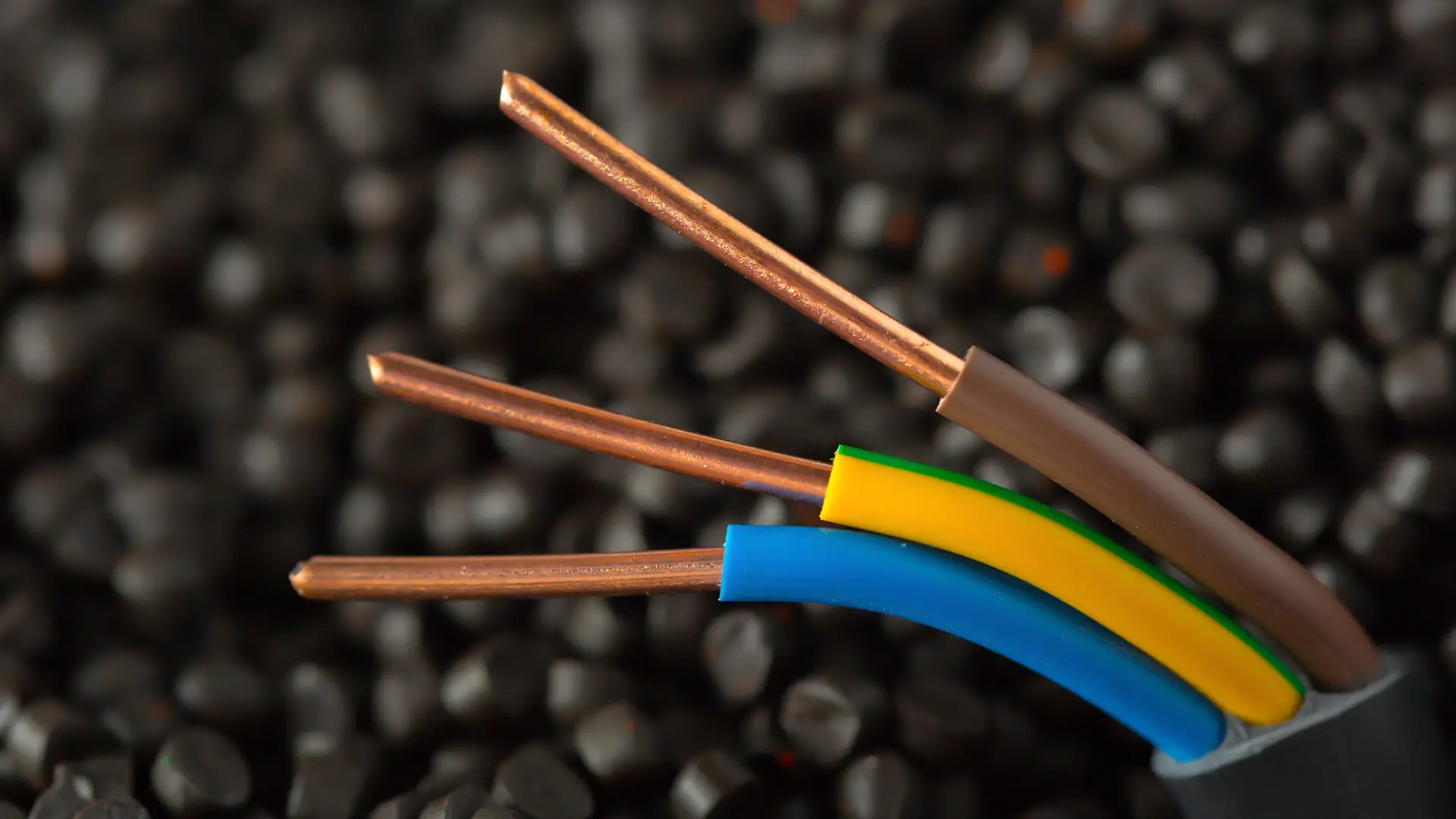
A 32-amp dedicated circuit on 6mm² twin-and-earth cable is appropriate for the majority of domestic induction hobs up to around 7.4 kW, assuming the cable run from the consumer unit to the hob position is not unusually long. For longer cable runs or higher-rated appliances, an electrician may specify 10mm² cable and a 40-amp MCB. The specific requirements depend on the hob’s rated current, the cable length, and the method of cable installation (clipped to surface, buried in wall, or run in conduit), all of which affect the cable’s current-carrying capacity.
If your kitchen already has a dedicated cooker circuit from a previous electric hob or range cooker, it may already be suitable. Whether the existing circuit is adequate depends on its rated amperage, cable size, and condition. An electrician can assess this during a site visit.
If you already have a cooker circuit
Many UK kitchens have an existing 32-amp cooker circuit installed for a previous electric hob or range. If the circuit is in good condition and the cable sizing is appropriate, it may be possible to connect a new induction hob without running new cable. An electrician can confirm this quickly and will be needed to make the final connection regardless.
Cable sizing, isolator switches, and RCD protection
Three technical elements matter most when a hardwired installation is being specified.
Cable size
For most domestic induction hobs on a 32-amp circuit, 6mm² twin-and-earth cable is the standard specification. For higher-rated appliances or longer cable runs (typically over 10 metres), 10mm² cable may be required to maintain adequate current-carrying capacity without excessive voltage drop. Your electrician will calculate the correct size based on your specific installation.
Double-pole isolator switch
Most induction hob installations include a double-pole isolator switch on the wall near the hob. This switch disconnects both the live and neutral conductors simultaneously, allowing the hob to be fully isolated for maintenance or in an emergency without going back to the consumer unit. Some hob manufacturers specify in their installation instructions that a double-pole isolator is required; check your model’s documentation. Vented induction hobs, which combine a hob and extraction system, frequently require one.
RCD protection
Under the 18th Edition of the UK Wiring Regulations (BS 7671), all new kitchen circuits must be protected by a residual current device (RCD). An RCD detects current leakage that could indicate a fault and trips the circuit within milliseconds, significantly reducing the risk of electric shock or fire. If your consumer unit does not already provide RCD protection for the kitchen circuit, this will need to be addressed as part of the installation.
Part P Building Regulations and why they matter
Legal requirement
Electrical installation work in a kitchen is notifiable under Part P of the Building Regulations in England and Wales. This means all new circuits and most significant alterations must either be carried out by a registered competent person (such as a Part P registered electrician) who can self-certify the work, or be notified to your local authority building control before work begins. Failure to comply can result in difficulties when selling your home and may affect your buildings insurance.
Part P covers all new circuits in a kitchen, regardless of how straightforward the work appears. This includes installing a new dedicated hob circuit from scratch, upgrading an existing circuit, or making significant changes to the consumer unit. It does not cover like-for-like replacement of existing accessories such as sockets or switches where no new wiring is involved.
The practical implication is that you cannot legally install a new hardwired induction hob circuit yourself without either being a registered competent person or obtaining prior approval from building control. The most straightforward route is to hire a registered electrician who can carry out the work and issue a certificate of compliance under their own registration. This certificate is valuable documentation for future property sales and insurance purposes.
A competent person scheme registration can be verified through organisations such as NICEIC, NAPIT, or the Electrical Contractors’ Association (ECA). Any electrician registered with one of these bodies can self-certify domestic electrical work including induction hob installations.
Replacing an existing hob
The wiring question is most straightforward when you are replacing a like-for-like appliance. If you are swapping one induction hob for another of similar or lower power rating, and the existing circuit is a dedicated 32-amp cooker circuit in good condition with appropriate cable sizing, the existing wiring is likely adequate. The electrician’s role is to disconnect the old appliance, confirm the circuit is suitable for the new one, and make the final connection.
Where the situation becomes more complex is when replacing a gas hob with an induction hob. Gas hobs only require a small electrical supply for the ignition and any electronic controls, typically via a standard socket. An induction hob requires a full dedicated circuit. In this scenario, a new circuit almost certainly needs to be run from the consumer unit, which represents a more significant piece of work and a higher installation cost.
Similarly, replacing an older low-powered electric hob with a modern high-powered induction hob may require a circuit upgrade even if dedicated wiring already exists, because the original cable sizing may not be sufficient for the new appliance’s higher current demand.
Frequently asked questions
For a plug-in model connecting to an existing socket, there is no wiring work involved and you can do this yourself. For any hardwired installation, the answer in the UK is effectively no for most people. New kitchen circuits are notifiable under Part P of the Building Regulations, which means the work must be carried out by a registered competent person or notified to building control in advance. DIY electrical work in kitchens that has not been properly certified can cause problems when selling your property and may affect your home insurance.
Most full-sized domestic induction hobs require a 32-amp dedicated circuit. Some higher-rated models (above 7.4 kW) may require a 40-amp circuit, though this is less common in standard domestic installations because power-sharing technology in modern hobs keeps the actual draw within 32-amp capacity. Always check the installation manual for your specific model, as the manufacturer will state the required fuse or MCB rating explicitly.
Costs vary significantly depending on how much work is involved. If a suitable dedicated circuit already exists and only a new connection is needed, the cost is relatively modest, typically a one to two hour call-out for an electrician. If a new circuit needs to be run from the consumer unit, labour and materials together can range from around £150 to £400 or more depending on the cable run length, the complexity of the installation, and regional rates. Get at least two quotes from registered electricians and ask each to confirm what certification they will provide on completion.
In some cases, yes. UK wiring regulations allow diversity to be applied when calculating the total load of a cooker circuit, on the basis that all cooking appliances are unlikely to be running at full power simultaneously. Under this approach, a standard 32-amp circuit on 6mm² cable can supply both a hob and an oven in many domestic situations. However, this depends on the combined rated power of both appliances and the specific cable sizing. An electrician will calculate whether diversity can be applied safely in your specific case. Running separate dedicated circuits for the hob and oven is the more straightforward approach and removes any doubt.
A double-pole isolator switch is standard practice for hardwired induction hob installations and is required by some manufacturers as a condition of their installation instructions. It allows the appliance to be fully isolated from the supply without going back to the consumer unit, which is useful during cleaning, maintenance, or if a fault occurs. Check your hob’s installation manual: if it specifies a double-pole isolator, fitting one is a requirement of the installation, not merely a recommendation.
Almost certainly, yes. A gas hob only needs a small electrical supply for ignition, typically via a standard socket. An induction hob requires a dedicated high-current circuit. Unless your kitchen already has a dedicated cooker circuit from a previous electric appliance, a new circuit will need to be installed from the consumer unit. This is notifiable work under Part P and must be carried out by a registered electrician.
Key takeaways
- Most full-sized induction hobs require a dedicated 32-amp hardwired circuit rather than a standard 13-amp plug. Compact two-zone plug-in models are the exception.
- A 32-amp circuit on 6mm² twin-and-earth cable is the standard specification for domestic induction hob installations. Longer cable runs or higher-rated hobs may require 10mm² cable.
- A double-pole isolator switch is required by most manufacturers and is standard practice for hardwired hob installations.
- All new kitchen circuits must be protected by an RCD under the 18th Edition of the UK Wiring Regulations (BS 7671).
- Electrical work in kitchens is notifiable under Part P of the Building Regulations in England and Wales. Use a registered electrician who can self-certify the work and provide a compliance certificate.
- If you are replacing a gas hob with an induction hob, a new dedicated circuit is almost always required.
- If an existing dedicated cooker circuit is already in place, an electrician can assess whether it is suitable for your new hob without the need for new cable.
Explore More Kitchen Advice & Buying Guides
Browse our latest articles covering appliance tips, energy-saving advice, and expert guidance – designed to help you choose, use, and get the most from your kitchen appliances.