Home » General Appliance Guides & Advice » How to Organise Your Wine Cooler for Maximum Storage and Flavour
How to Organise Your Wine Cooler for Maximum Storage and Flavour
A wine cooler does more than chill bottles. Organised well, it fits more in, keeps every bottle at the right temperature and protects the flavour you paid for. Loaded carelessly, it wastes space and lets warm spots and dried corks spoil good wine. Here is how to lay yours out so it works harder for your collection.
Organise by temperature
The single most useful habit is to group bottles by the temperature they prefer. Different wines have different ideal ranges, and a tidy cooler makes those ranges easy to hold.
This layered approach suits dual zone and polyvalent coolers, where the cabinet is designed to run warmer at the top and cooler at the bottom. In a single zone cooler the temperature is fairly even throughout, so the simplest plan is to set a balanced 12 to 14 degrees that stores both reds and whites well, then bring each bottle to its serving temperature just before pouring. For more on splitting the zones, see storing red and white wine together in one cooler, and our guide to what temperature a wine cooler should be set at.
Lay bottles on their side
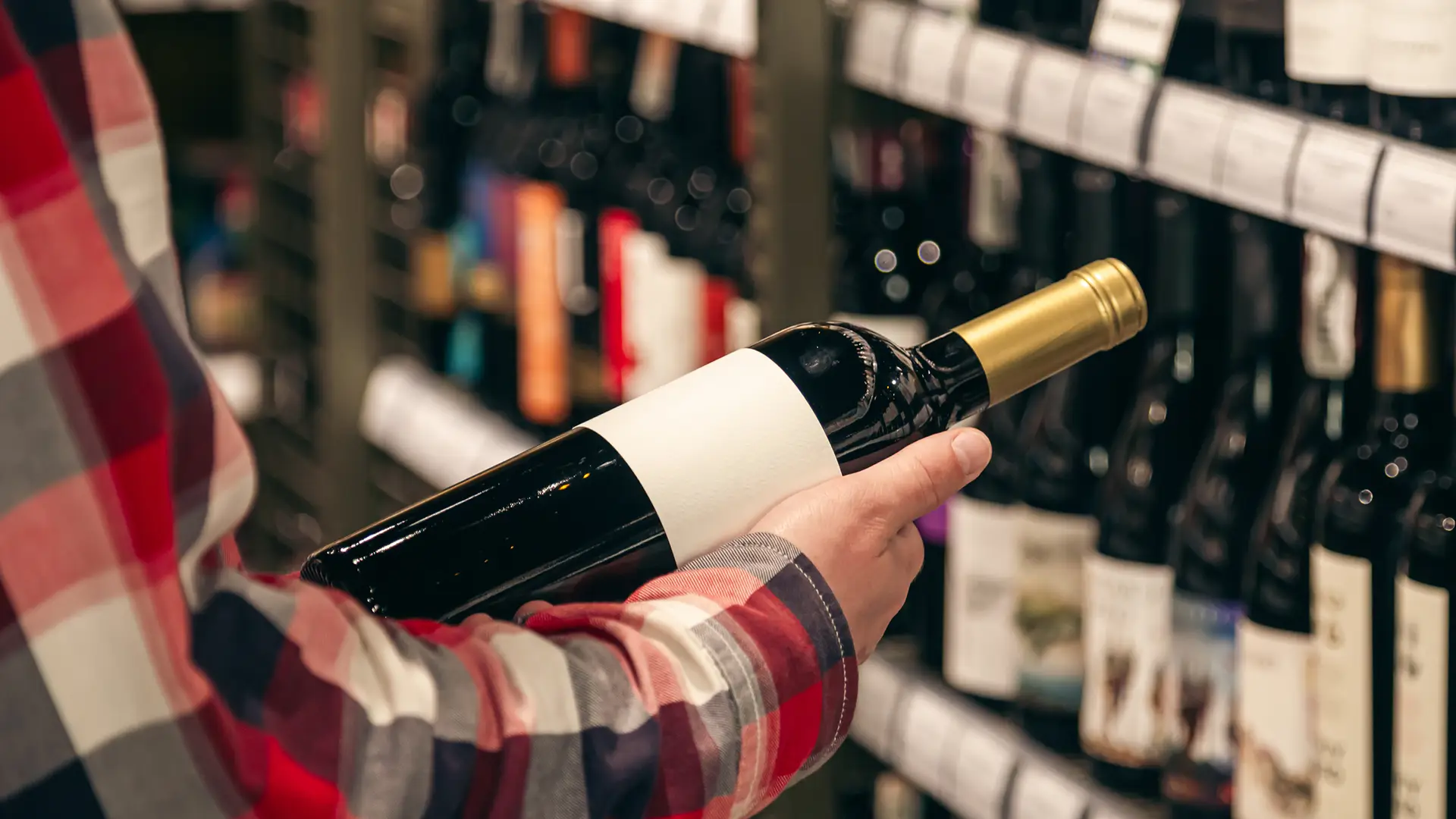
Cork sealed wines should always be stored horizontally. Lying down keeps the wine in contact with the cork, so the cork stays damp and swollen and forms a tight seal. A dry cork shrinks and lets air in, which oxidises the wine and dulls its flavour. This is exactly why wine cooler shelves are designed to hold bottles on their side rather than upright.
The exception is screw cap and sparkling wine. Screw cap bottles can sit upright without any harm, and many people stand sparkling bottles up too, though laid down is perfectly fine. If you are tight on space, standing screw cap everyday bottles upright in a gap can free up a shelf.
Make the most of the space
Maximum storage is not about cramming in every bottle. A cooler needs a little air moving around the bottles to hold an even temperature, and a packed cabinet blocks the internal fan and vents, which makes it work harder and cool unevenly.
- Mind the bottle shape. Rated capacities assume standard Bordeaux bottles. Wider Burgundy and Champagne bottles take more room, so expect to fit fewer of them than the headline number.
- Use removable shelves wisely. Taking out a shelf or two lets you stand magnums and odd shapes without forcing them onto a rack that does not fit.
- Keep heavy bottles low. Storing larger and heavier bottles near the base keeps the cooler stable and makes the most of the sturdier lower shelves.
- Leave the vents clear. Do not push bottles hard against the back or block the fan, as airflow is what keeps every bottle at the set temperature.
Arrange for everyday use
Once temperature and space are sorted, organise by how you actually drink. Keep everyday bottles at eye level and near the front where they are easy to reach, and tuck wines you are ageing or saving for a special occasion towards the back and the harder to reach spots. The less you rummage with the door open, the more stable the temperature stays inside.
A simple inventory helps too. A note on your phone or a wine app means you can find a bottle without opening the door and shifting everything around, which protects both your patience and the cabinet temperature.
Group by a system that suits you
Beyond wine type, many people sort by grape, by region or by drink by date. Any consistent system works, as long as you can find a bottle in seconds and open the door for as little time as possible.
Protect the flavour
Good organisation and good flavour go hand in hand. A few conditions matter as much as the layout:
- Stable temperature. Wine dislikes swings far more than it dislikes being a degree or two off. A steady setting beats a perfect but fluctuating one.
- Darkness. Light, especially sunlight, degrades wine. A UV protected glass door helps, but keeping the cooler out of direct sun helps more.
- Humidity. A level around 60 to 70 percent keeps corks supple. Wine coolers hold gentle humidity that a standard fridge cannot.
- Low vibration. Keep the cooler level and away from anything that shakes, as vibration disturbs sediment and tires wine over time.
- Cleanliness. A clean interior and seals keep odours and damp away. See how often you should clean your wine cooler for a simple routine.
These are the very conditions a standard fridge cannot provide, which is the whole point of a dedicated unit. Our guide on the difference between a wine fridge and a regular fridge explains why.
Quick summary
- Group bottles by temperature: reds warmer at 12 to 18 degrees, whites cooler at 7 to 12, sparkling coldest at 5 to 8.
- In a single zone cooler, set a balanced 12 to 14 degrees and adjust each bottle to serving temperature before pouring.
- Store cork sealed bottles on their side so the cork stays moist. Screw cap bottles can stand upright.
- Do not overpack. Leave airflow around bottles and keep the fan and vents clear for even cooling.
- Keep everyday bottles to the front, protect against light, heat and vibration, and open the door as little as possible.
Frequently asked questions
In a dual zone or polyvalent cooler the top runs slightly warmer, so reds suit the upper shelves and sparkling the cooler bottom. In a single zone cooler the temperature is even, so shelf position matters far less.
It keeps the wine touching the cork so it stays damp and sealed. A dry cork shrinks and lets air in, which oxidises and dulls the wine. Screw cap bottles do not need this and can stand upright.
Usually a little fewer in practice. Rated figures assume standard Bordeaux bottles, so wider Burgundy and Champagne bottles take more room. Leaving some airflow around bottles also helps the cooler run evenly.
Yes. Packing bottles tightly can block the internal fan and vents, which makes the cooler work harder and cool unevenly. Leave a little space for air to move around the bottles.
Around 12 to 14 degrees stores both reds and whites well. Set that as your storage temperature, then chill or warm individual bottles to their serving temperature shortly before opening.
For more on the principle of storing wine at a steady temperature and adjusting only at serving, the team at Wine Enthusiast set out the storage ranges in detail.
Explore More Kitchen Advice & Buying Guides
Browse our latest articles covering appliance tips, energy-saving advice, and expert guidance – designed to help you choose, use, and get the most from your kitchen appliances.