Home » Oven Guides & Advice » Why Does My Oven Cook Unevenly? Causes and Fixes
Why Does My Oven Cook Unevenly? Causes and Fixes
Diagnose the pattern first
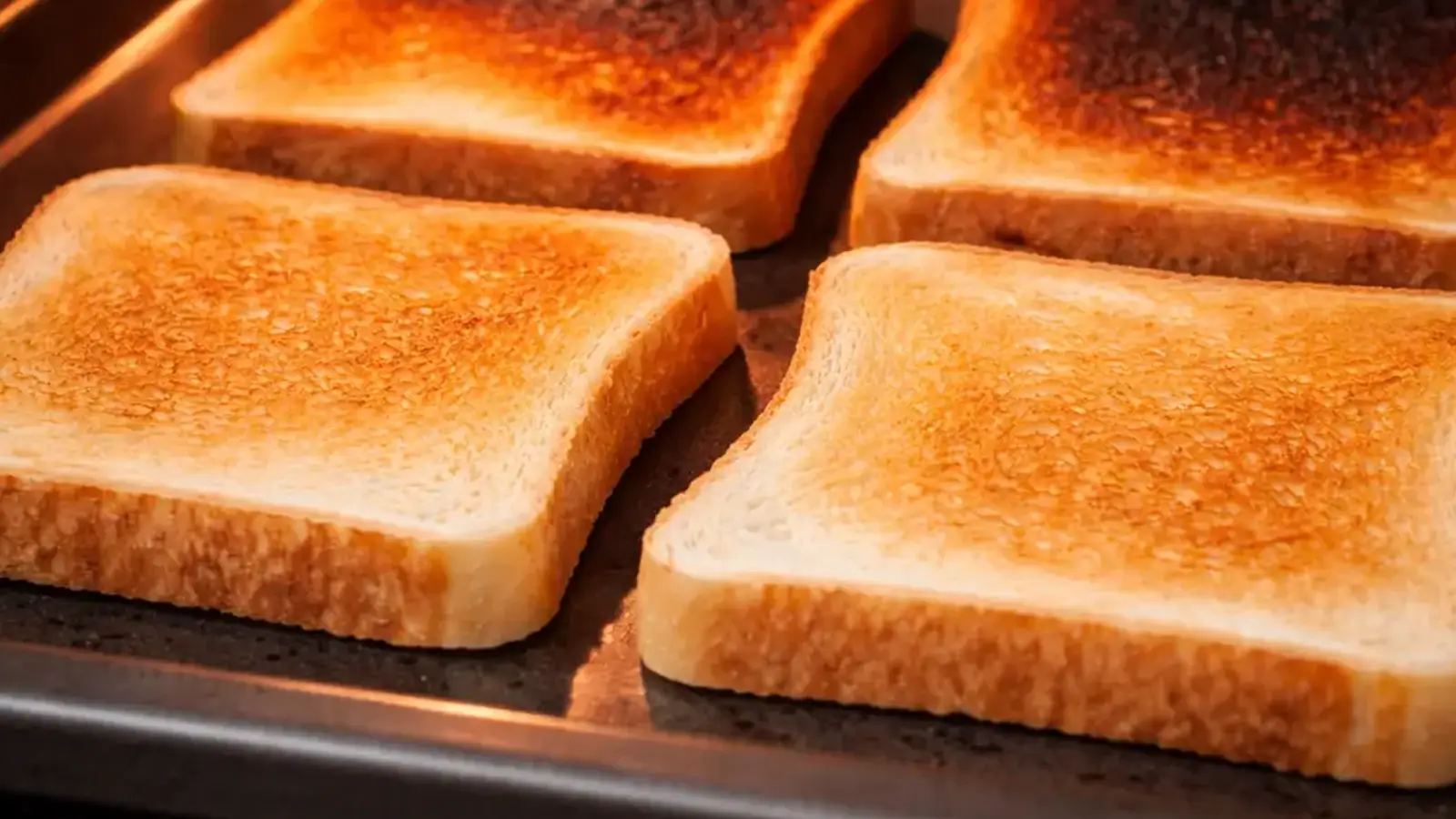
Before checking any components, look at how your food is cooking unevenly. The pattern is often the best clue to the underlying fault. Use the cards below to narrow things down quickly.
Faulty heating element
Every electric oven has at least two elements: a bake element at the bottom of the cavity and a grill (broil) element at the top. If either develops a fault, heat comes from one direction only, which is one of the most common causes of uneven cooking. Gas ovens have a single burner at the base and do not have exposed elements, but the same principle applies if the burner is partially blocked.
How to check
Switch the oven on and set it to a moderate temperature, around 180°C. Once it has been on for several minutes, look through the door glass. On an electric oven, both elements should glow a steady, uniform red. Any section that stays dark, looks blistered, or has a visible break in the coil is failing.
What to do
A damaged element needs replacing. This is a repair most competent DIYers can handle on many oven models — elements are widely available and fitting generally involves removing two screws and disconnecting a spade connector — but if you are not confident working with electrical appliances, a Gas Safe or NICEIC registered engineerIn the UK, electrical appliance repairs should be carried out by a competent person. NICEIC and similar bodies register qualified domestic electricians. can complete the job quickly and affordably.
Miscalibrated thermostat or temperature sensor
Your oven relies on two components to maintain an accurate temperature: the thermostat (which controls the heating cycle) and the temperature sensor (a thin metal probe, usually found in the top-right corner of the cavity). If either drifts out of calibration, or if the sensor has been knocked out of position, the oven may run significantly hotter or cooler than the dial suggests — leading to food that consistently over- or undercooks.
Testing with an oven thermometer
An independent oven thermometer is the most reliable way to check. Place it in the centre of the oven on the middle shelf, set the oven to 180°C, and allow at least 15–20 minutes for the temperature to fully stabilise. If the thermometer reads more than 10°C above or below your set temperature, calibration is the likely cause. Some ovens can be off by as much as 25–40°C — enough to completely change baking outcomes.
Common mistakes that mimic a calibration problem
- Opening the door repeatedly during cooking — heat escapes rapidly and the oven struggles to recover
- Using a fan oven at conventional temperatures — fan ovens run approximately 20°C hotter than conventional ovens at the same dial setting, so recipes written for a conventional oven should be reduced by 20°C
- Not allowing enough preheat time — most ovens need at least 15 minutes to reach a stable temperature
Fixing calibration and sensor issues
Check whether the temperature sensor has been knocked out of position — it should sit at roughly 90° to the oven wall and must not touch the cavity sides. Repositioning it is often enough to resolve the problem. If the sensor itself is faulty, it will need replacing. Thermostat recalibration can sometimes be done via a small adjuster screw on the back of the dial (check your model’s manual), but if the thermostat has failed entirely, replacement is the only option.
Fan problems (fan-assisted ovens)
Fan-assisted ovens circulate hot air continuously around the cavity, which is precisely what makes them more efficient and generally better at cooking food evenly. When the fan slows down, develops a rattle, or stops altogether, you lose that circulation — and the oven reverts to behaving like a conventional oven, with hotter zones at the top and cooler ones at the bottom.
Spotting a fan fault
Listen for changes in the fan’s sound during cooking. A healthy fan motor runs quietly and consistently. Grinding, rattling, or intermittent noise often indicates the motor bearings are wearing. You can also wait until the oven has cooled completely, then gently turn the fan blade by hand through the back of the cavity. Resistance or stiffness points to a motor on its way out.
Repair or replace?
Fan motor replacement is a relatively straightforward repair for a qualified engineer, and the part itself is inexpensive on most makes and models. If the oven is over ten years old and the motor has failed, it may be worth weighing the repair cost against the value of the appliance — but for a relatively modern oven, repair is almost always the right call. Our guide to choosing a new built-in oven can help if you decide it is time to upgrade.
Restricted airflow
Hot air needs to circulate freely around the oven cavity to cook food evenly. Several common habits restrict that circulation without people realising it.
Lining the base of the oven or the shelves with foil is a common culprit. It feels like a sensible way to catch drips, but foil blocks the vents at the bottom of the oven cavity and prevents heat from rising evenly. Remove any foil linings and use a drip tray on the shelf below instead. Similarly, storing spare baking trays inside the oven between uses means they will absorb and block heat during cooking — always check the cavity is clear before preheating.
Overcrowding the shelves is another frequent cause. When dishes are packed too tightly together, hot air cannot reach the surface of the food properly. As a practical rule, allow at least 2.5 cm of space around every baking dish. If you need to cook multiple items, stagger them on different shelves rather than pushing them side by side on the same rack.
Oven not level
This one is easy to overlook, particularly with a newer oven or after moving house. If the oven is not sitting perfectly level, liquids in baked goods will pool to one side during cooking and heavier dishes will settle unevenly, resulting in one side cooking faster than the other.
Checking and adjusting
Place a spirit level across the top of the oven, both side to side and front to back. Most freestanding range cookers have adjustable feet at the front that can be turned by hand or with a spanner. Built-in ovens that have been recently installed and are not sitting square should be reported to the installer for adjustment. If the issue is the floor rather than the oven feet, a small shim under the relevant foot is an acceptable fix.
Bakeware and technique
Sometimes the oven itself is working perfectly, and the problem lies with how food is being cooked. The material and colour of your bakeware has a measurable effect on browning. Dark or matte-finish tins absorb heat and produce darker, faster browning, particularly on bases. Shiny, light-coloured tins reflect heat and result in a paler finish. If you are switching between tin types and noticing inconsistency, this is a likely factor.
Shelf position matters too. In a conventional oven (without a fan), the top of the cavity is always hotter than the bottom. Most baking is best done on the middle shelf where temperatures are most stable. If a dish is consistently burning on top, move it down a shelf; if the base is underdone, move it up. In a fan oven this effect is much less pronounced, but shelf position still affects the intensity of top and bottom heat to a degree.
Rotating dishes halfway through cooking is a reliable workaround for ovens that have slight hot spots, and it is standard practice in professional kitchens regardless of oven quality. It is also worth being precise about preheating: putting food into an oven that has not yet reached the target temperature causes the top of the food to be exposed to the initial burst of radiant heat from the elements before the air temperature catches up, which leads to over-browning at the surface. Allow the oven to reach its set temperature fully before loading.
When to call an engineer
| Symptom | Likely cause | Action |
|---|---|---|
| Element visibly blistered, cracked, or not glowing | Failed heating element | Replace element — DIY or engineer |
| Thermometer reads 15°C+ off set temperature | Thermostat or sensor fault | Check sensor position; recalibrate or replace |
| Fan is noisy, slow, or not spinning | Fan motor failure | Replace fan motor — engineer recommended |
| One side consistently overcooks | Uneven element, fan, or levelness | Check level first; test element and fan |
| Oven temperature wildly inconsistent | Thermostat cycling incorrectly | Engineer required — thermostat replacement |
| All symptoms present on oven over 15 years old | General wear | Consider replacement rather than multiple repairs |
For guidance on what to expect from a domestic appliance repair, the Consumer Rights Act 2015 sets out your entitlements when an appliance develops a fault within the first six years of purchase — it is worth being aware of your rights before spending on a repair.
If you are considering a new oven rather than a repair, take a look at our guide to CATA built-in ovens and what to look for when buying — fan performance, cavity capacity, and temperature accuracy are the three specifications that matter most for consistent cooking results.
Frequently asked questions
Key takeaways
- Identify the cooking pattern first — it points directly to the most likely fault.
- A faulty heating element is one of the most common causes; check that both elements glow red when the oven is on.
- Use an oven thermometer to confirm whether a thermostat or temperature sensor issue is to blame — many ovens run 15–25°C off the dial setting.
- Fan-assisted ovens should be set 20°C lower than conventional oven temperatures in recipes.
- Never line the oven floor or shelves with foil; allow at least 2.5 cm of space around dishes for proper airflow.
- Check that the oven is level — a spirit level across the top takes 30 seconds and is often the quickest fix.
- If the oven is under six years old and the fault is component-related, the Consumer Rights Act 2015 may entitle you to a repair or replacement.
Explore More Kitchen Advice & Buying Guides
Browse our latest articles covering appliance tips, energy-saving advice, and expert guidance – designed to help you choose, use, and get the most from your kitchen appliances.