How to Clean an Induction Hob: The Complete Guide
An induction hob is one of the easiest cooking surfaces to maintain thanks to its smooth glass design. However, without the right cleaning routine, it can quickly show grease, streaks, fingerprints, and burnt-on residue.
The good news is that cleaning an induction hob properly is quick and simple once you know the right methods. By using gentle tools and the correct products, you can keep your hob looking like new while avoiding scratches or long-term damage.
Why Regular Cleaning Matters
Keeping your induction hob clean isn’t just about appearance. A dirty hob can affect performance and make cooking less efficient.
- Improves heat transfer: Residue can interfere with how well pans sit on the surface.
- Prevents permanent stains: Burnt-on spills can become harder to remove over time.
- Maintains appearance: Regular cleaning keeps the glass glossy and streak-free.
- Extends lifespan: Proper care helps avoid long-term surface damage.
What You’ll Need
Using the correct tools makes a huge difference when cleaning an induction hob.
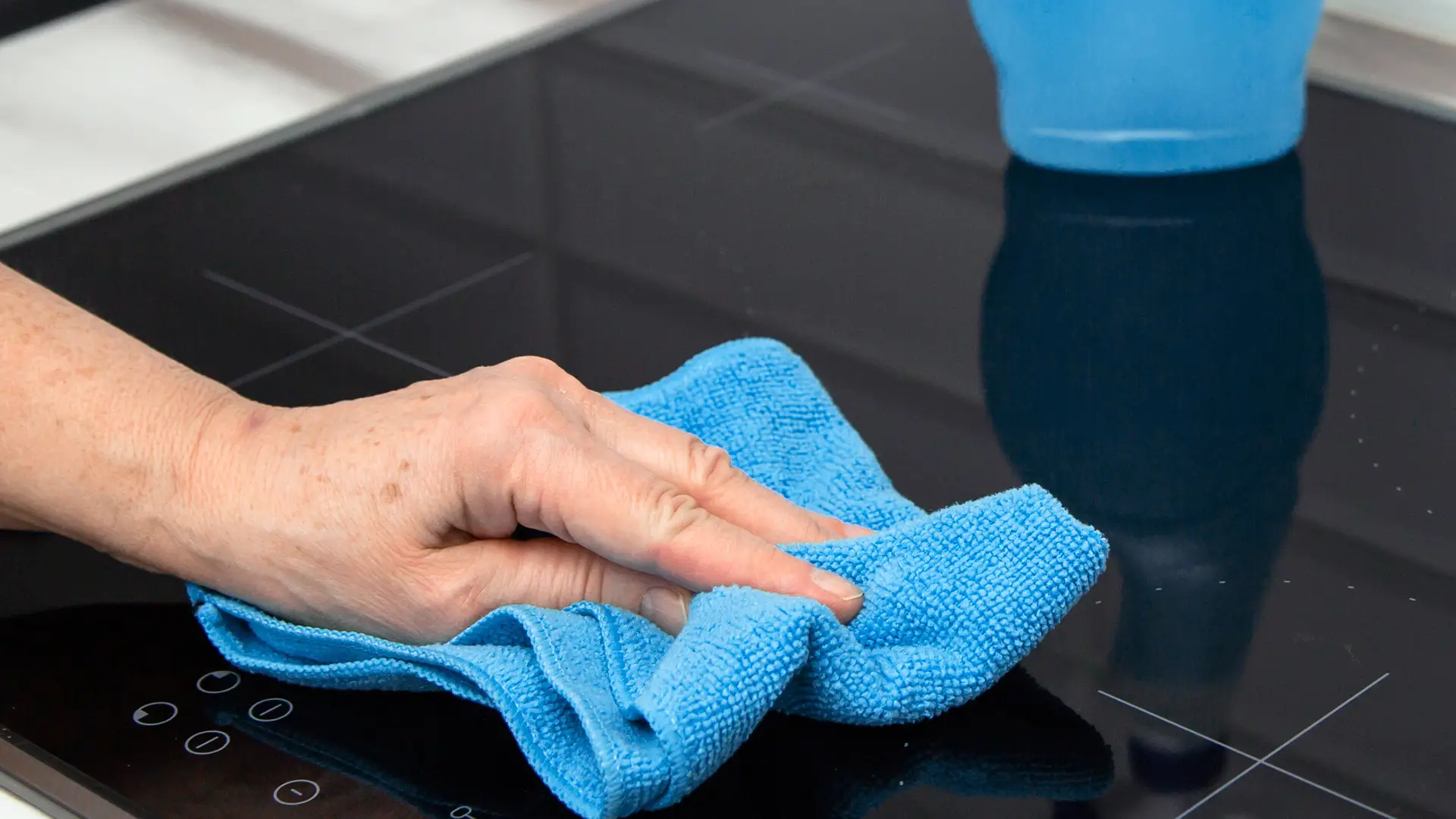
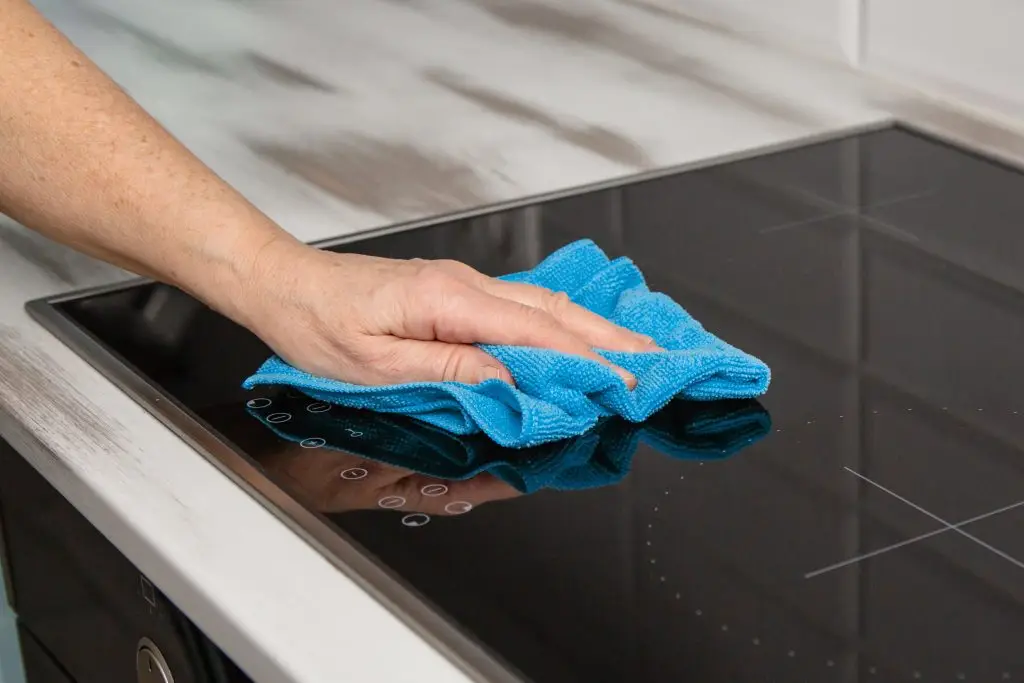
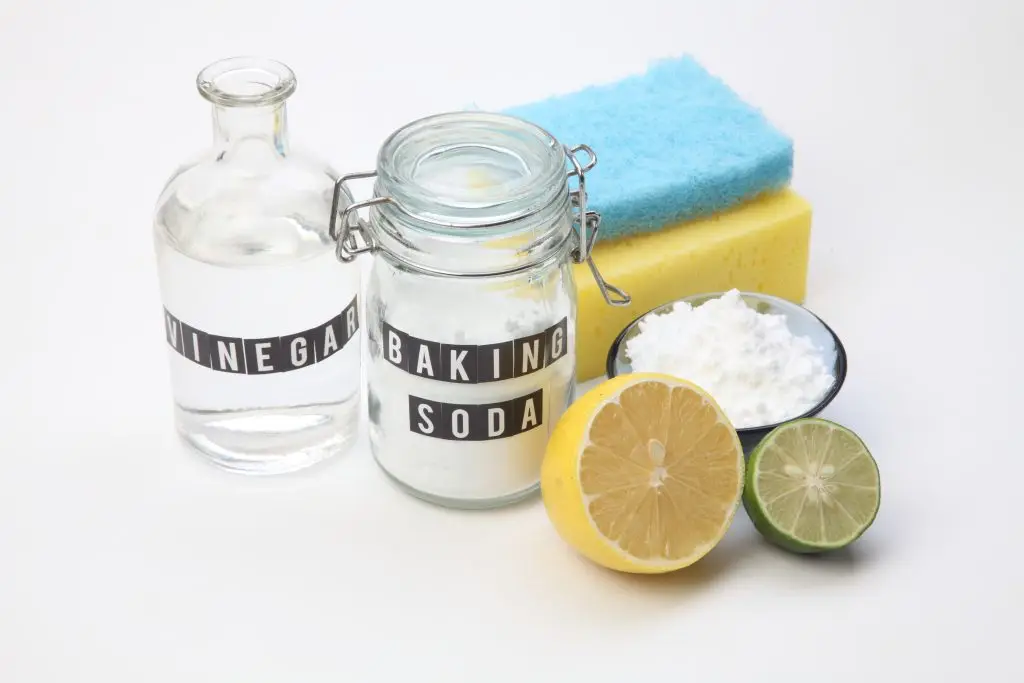
- Microfibre cloth: For streak-free cleaning and polishing.
- Soft sponge: Removes dirt without scratching.
- White vinegar: Cuts through grease and restores shine.
- Bicarbonate of soda: Ideal for stubborn stains.
- Hob scraper: Helps remove burnt-on residue safely.
- Hob cleaner: Designed specifically for glass surfaces.
Step 1: Let the Hob Cool Completely
Always allow your induction hob to cool before cleaning. Cleaning a hot surface can cause streaking, damage cleaning products, and increase the risk of burns.
Step 2: Daily Cleaning Routine
For everyday use, a simple routine will keep your hob clean with minimal effort.
- Wipe away loose debris: Remove crumbs and food particles.
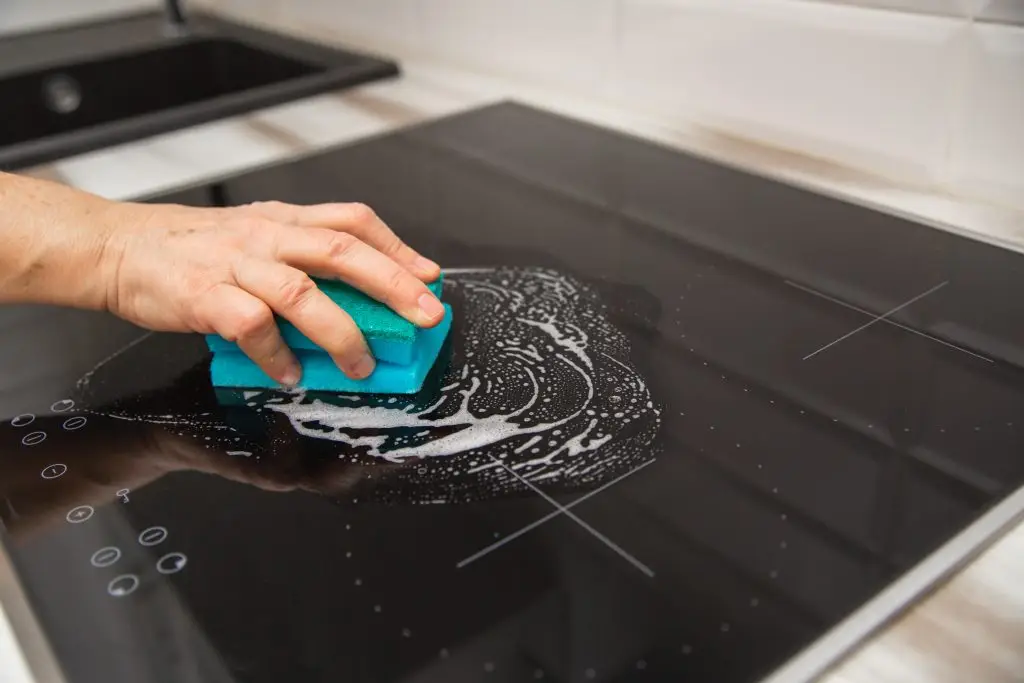
- Apply cleaner: Use vinegar or a hob cleaner.
- Buff dry: Finish with a clean cloth for a polished surface.
Step 3: Removing Burnt-On Stains
Stubborn marks need a bit more attention, but they can be removed safely without damaging the surface.
Bicarbonate Paste Method
- Mix bicarbonate with water
- Apply and leave for 10–15 minutes
- Wipe clean gently
Hob Scraper Method
- Use at a shallow angle
- Work slowly and gently
- Finish with a soft cloth
Specialist Cleaner Method
- Apply hob cleaner
- Rub gently
- Buff to a shine
Natural vs Specialist Cleaners
Both options work well depending on the level of cleaning required.
| Cleaner | Pros | Cons |
|---|---|---|
| Vinegar | Cheap, eco-friendly | Less effective on heavy stains |
| Bicarbonate | Good for burnt marks | Requires effort |
| Hob cleaner | Fast and effective | More expensive |
Maintenance Tips
- Clean after each use
- Use flat-bottomed pans
- Remove spills quickly
- Avoid dragging pans
Final Thoughts
Cleaning your induction hob properly doesn’t take long — and the results are worth it. By using gentle cleaning methods and maintaining a simple routine, you can keep your hob looking spotless and performing efficiently.
Consistency is key. A quick clean after cooking is always easier than dealing with stubborn stains later.