Home » Cooker Hood Guides & Advice » Hob-to-Hood Connectivity: Smart Pairing for Cleaner Kitchens
Hob-to-Hood Connectivity: Smart Pairing for Cleaner Kitchens
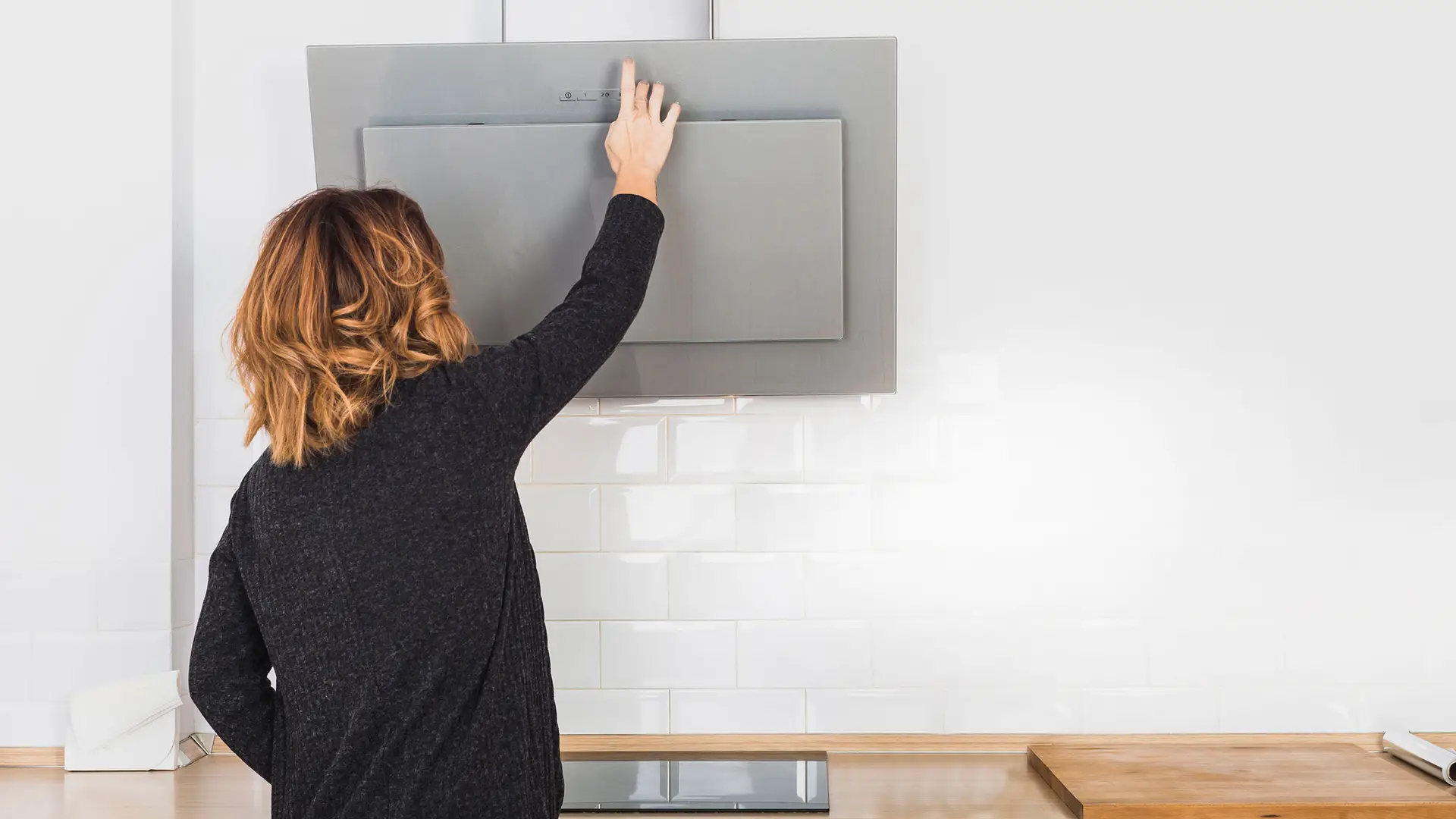
There is a small but real frustration in cooking: you turn on a hob zone and forget to switch the hood on. Or you set it to speed two at the start, the cooking intensifies, and the hood is now inadequate — but you are mid-stir and cannot easily stop to adjust it. Hob-to-hood connectivity exists to remove this friction entirely. The hood watches the hob and responds accordingly.
How the pairing works
A short-range wireless protocol (Bluetooth or a proprietary RF signal, depending on the manufacturer) creates a direct communication link between the hob’s control electronics and the hood’s motor controller. When a zone activates, the hob signals the hood to start extracting. As power increases — say from a medium simmer to a full boil — the hood ramps up proportionally. When the last zone switches off, the hood runs for a few minutes at reduced speed to clear residual steam, then shuts itself down.
The setup is a one-time pairing, usually a button-press sequence on both appliances as described in the installation guide. Once linked, the connection is maintained automatically.
Where it makes a real difference
The most tangible benefit is noise. A manually set hood left at a high speed throughout a one-hour cooking session produces significantly more cumulative noise than one running proportionally — at low speed for simmering, higher only when frying or boiling. In an open-plan kitchen where the cooking area shares space with a living room, the difference between a hood running at speed four all evening and one that rarely exceeds speed two is noticeable to everyone in the room.
A secondary benefit that is easy to overlook: filter maintenance. Grease filters load faster when the hood runs at unnecessary high speeds, because the airflow carries more grease-laden vapour through the filter medium than the cooking is actually producing. Proportional extraction reduces filter loading during low-intensity cooking, which means cleaning filters less often without any reduction in actual extraction performance.
The honest limitations
The system cannot anticipate a cooking load before it starts. Put a large cold pot on a high zone and the hood will not ramp up until the hob registers the power level change, meaning the very first few seconds of heavy steam are minimally extracted. In practice this is negligible, but it is worth knowing.
Some implementations also lock the hood’s manual controls while the link is active, preventing you from overriding the auto speed. Most allow manual override, but check the product specification if this matters to you — particularly if you sometimes want maximum extraction even on a low hob setting, for example when cooking something particularly aromatic at a gentle heat.
For a broader look at which smart kitchen features genuinely earn their place day-to-day, the guide to smart kitchen appliance benefits covers hob-to-hood alongside adaptive dishwashers and remote ovens with honest verdicts on each.
Browse compatible CATA cooker hoods and induction hobs. For sizing guidance before specifying a hood, see what size cooker hood do I need. For island layouts, the vented induction hob guide covers integrated downdraft extraction as an alternative to any overhead hood.
Explore More Kitchen Advice & Buying Guides
Browse our latest articles covering appliance tips, energy-saving advice, and expert guidance – designed to help you choose, use, and get the most from your kitchen appliances.