Microwave Containers: Which Materials Are Safe?
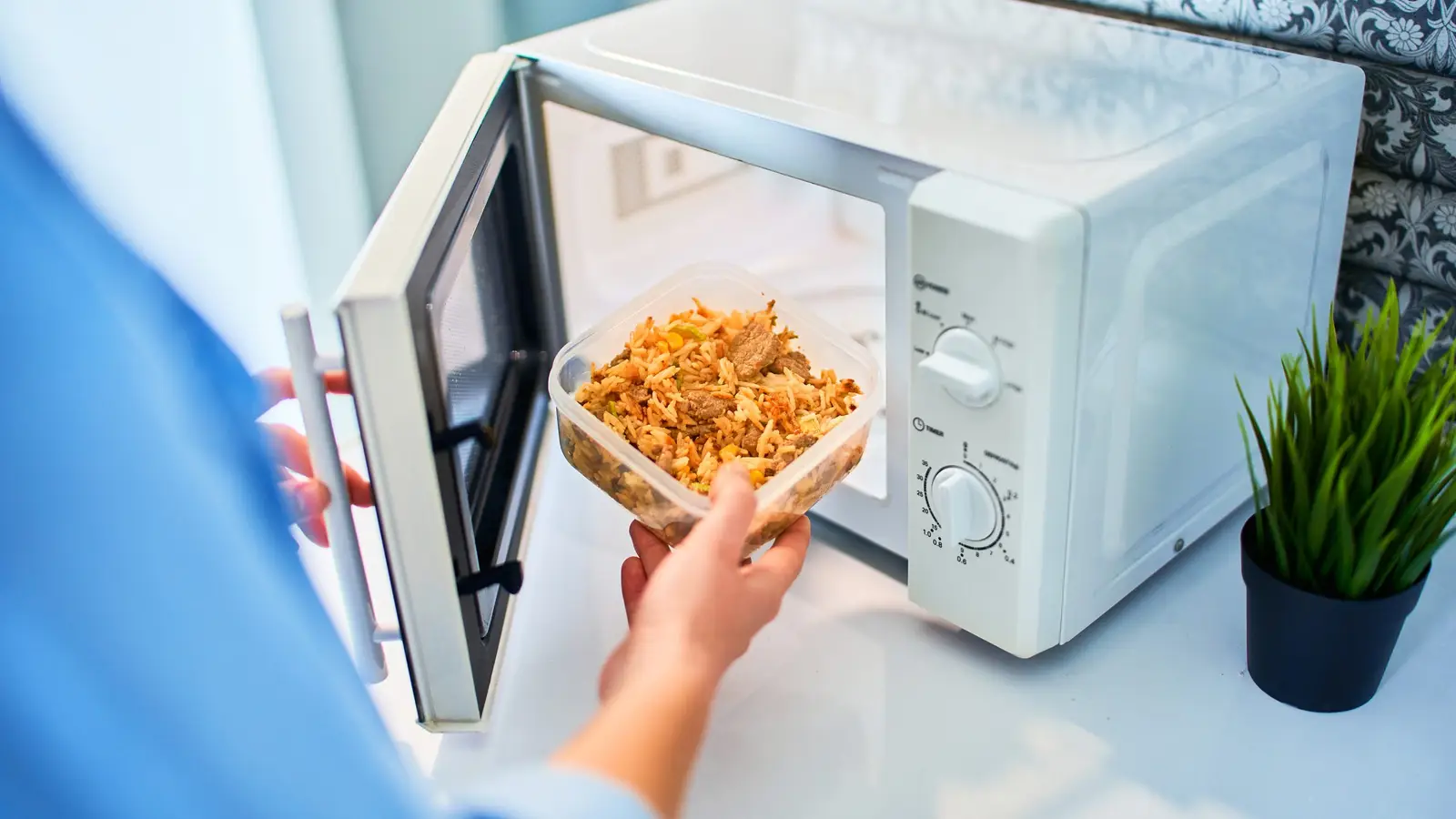
Choosing the right microwave container is essential for both safety and performance. Not all materials behave the same way when exposed to microwave energy, so understanding what’s safe helps prevent damage, contamination, or fire risks. According to guidance from the NHS on food storage and reheating, it’s important to use suitable containers when heating food to avoid harmful reactions or uneven cooking.
Important: “Food-safe” does not automatically mean “microwave-safe”. UK guidance on
food labelling and packaging confirms that materials suitable for food contact still require specific instructions for heating, including microwave use.
At-a-glance guide: what is safe?
| Material |
Safe? |
Advice |
| Glass |
Yes |
Best all-round option. Avoid cracked or decorative glass. |
| Ceramic |
Usually |
Safe if plain and labelled microwave-safe. |
| Plastic |
Sometimes |
Only use if clearly marked microwave-safe. |
| Silicone |
Usually |
Use food-grade silicone products. |
| Metal |
No |
Can cause sparks and damage your microwave. |
| Foam containers |
No |
May melt or release harmful substances. |
The safest microwave materials
Glass
Glass containers are one of the safest choices because microwaves pass through them while heating the food. The Food Standards Agency supports using durable, heat-resistant materials like glass for safe food reheating.
Ceramic
Ceramic dishes are generally safe when labelled microwave-safe. Avoid items with metallic trim or cracks, as these can cause sparking or uneven heating.
Silicone
Food-grade silicone is widely used for microwave cooking and reheating, particularly for lids and flexible containers, provided it is designed for high temperatures.
Tip: If you’re unsure about a container, transfer your food into glass or ceramic before microwaving.
Plastics: use with caution
Plastic containers are only safe if labelled microwave-safe. The Food Standards Agency advises avoiding unsuitable plastics, as some can warp or leach chemicals when heated.
- Use only containers marked microwave-safe
- Avoid takeaway tubs, yoghurt pots, or single-use plastics
- Do not use old, warped, or damaged containers
According to NHS food safety advice, reheating food properly also means using appropriate containers and ensuring even heating throughout.
Materials to avoid
Metal
Metal reflects microwaves, which can cause sparks and damage. Most UK appliance manufacturers advise avoiding metal containers and foil unless your appliance manual specifically allows limited use.
Foam & polystyrene
These materials are not heat-stable and may melt or release chemicals when heated.
Melamine
Melamine should not be used in microwaves. It is suitable for serving food, but not for heating.
Bamboo-plastic composites
The Food Standards Agency has warned against certain bamboo-plastic products, which are not suitable for food contact under heating conditions.
Best practices for safe microwave use
- Transfer food out of unknown packaging before heating
- Vent lids or covers to allow steam to escape
- Use microwave-safe covers to prevent splashes
- Handle containers carefully as they can become hot
The bottom line
The safest and most reliable options are glass and microwave-safe ceramic. Plastics should only be used when clearly labelled, and materials like metal, foam, and melamine should always be avoided.
Explore our range of built-in microwaves or visit the CATA blog for more expert advice.