The Best Oven Settings for Roasting Vegetables
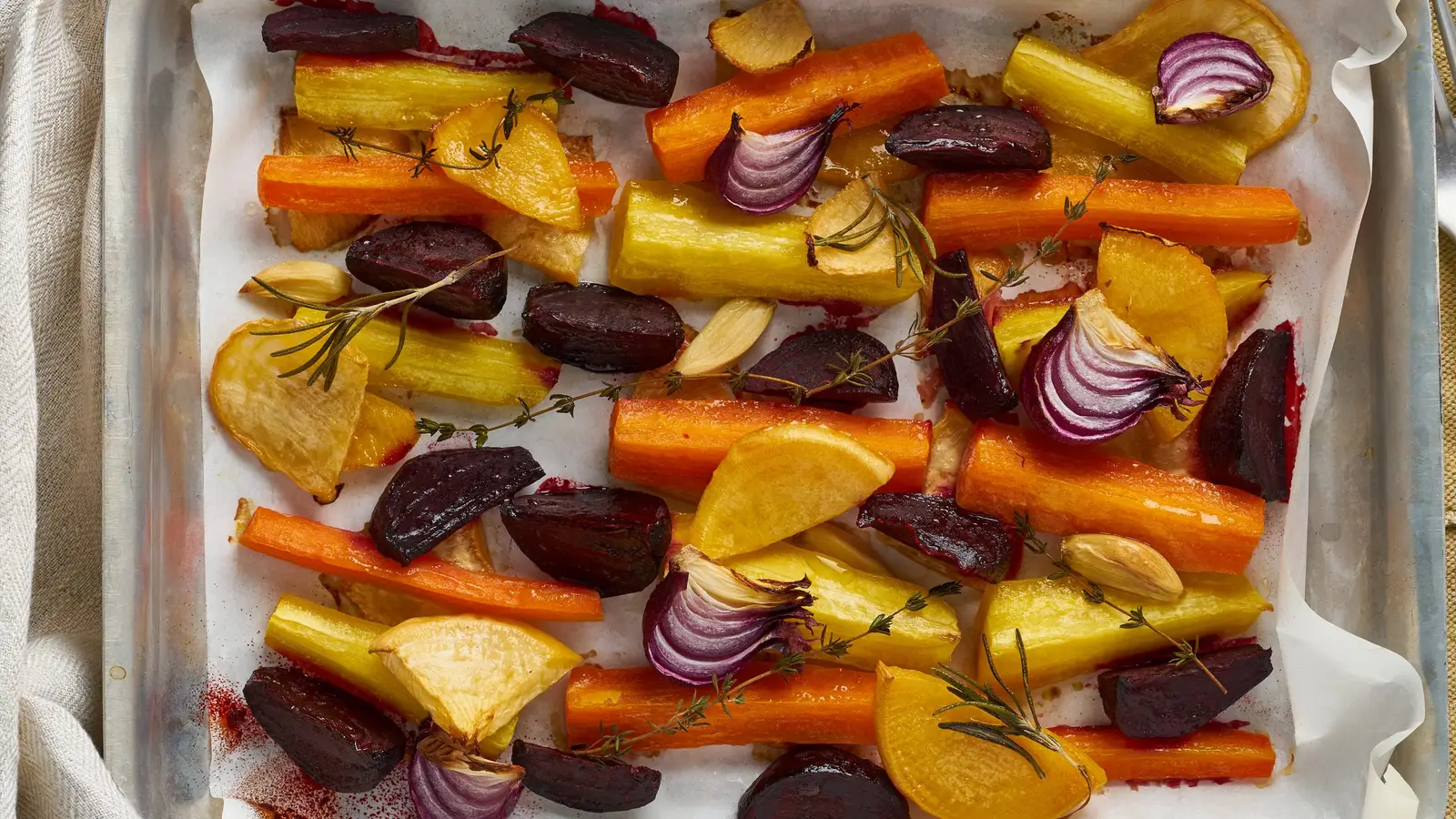
Roasting vegetables is one of the easiest ways to enhance flavour, bringing out natural sweetness while creating delicious crispy edges. However, using the correct oven settings is key to avoiding soggy or uneven results.
In this guide, you’ll learn the best temperatures, oven functions, and techniques to achieve perfectly roasted vegetables every time.
Best Oven Setting for Roasting Vegetables
For most vegetables, the ideal settings are:
- Fan oven: 180°C
- Conventional oven: 200°C
- Middle shelf position for even heat
A fan ovenA fan oven circulates hot air evenly around the oven cavity, helping food cook faster and more evenly. is the best option because it distributes heat consistently, helping vegetables roast evenly and crisp up properly.
Top tip: Always preheat your oven fully before adding vegetables to ensure they start roasting straight away.
Recommended Temperatures by Vegetable Type
| Vegetable Type |
Temperature |
Cooking Time |
| Root vegetables (carrots, potatoes, parsnips) |
180–200°C (fan) |
30–45 minutes |
| Soft vegetables (courgette, peppers, onions) |
170–180°C (fan) |
20–30 minutes |
| Cruciferous (broccoli, cauliflower) |
180°C (fan) |
20–25 minutes |
| Delicate veg (asparagus, tomatoes) |
160–170°C (fan) |
12–20 minutes |
Fan vs Conventional Oven: Which Is Better?
Fan Oven (Best Choice)
- Even heat distribution
- Better browning and crisping
- Faster cooking times
Conventional Oven
- Slightly longer cooking times
- May require turning vegetables more often
- Works well for larger batches
Top Tips for Perfect Roasted Vegetables
- Cut vegetables into even sizes for consistent cooking
- Leave space between pieces to allow proper roasting
- Use a high-smoke-point oil such as sunflower or vegetable oil
- Turn vegetables halfway through cooking
- Season towards the end for maximum flavour
Pro tip: Preheat your baking tray in the oven before adding vegetables to boost crispiness.
Common Mistakes to Avoid
- Overcrowding the tray
- Skipping preheating
- Using too much oil
- Cooking at too low a temperature
- Mixing vegetables with very different cooking times
Best Oven Functions to Use
- Fan cooking – best all-round setting
- Fan + grill – ideal for finishing with extra crispiness
- Top & bottom heat – good alternative if no fan is available
If you’re looking to upgrade, explore our range of single ovens designed for consistent heat distribution and reliable cooking performance.
Final Thoughts
Using the correct oven settings is the key to perfectly roasted vegetables. A fan oven at around 180°C offers the best balance of even cooking and crisp texture, while proper spacing and preparation ensure the best results.
With these simple adjustments, you can turn everyday vegetables into flavour-packed, perfectly roasted dishes every time.