What Microwave Power Rating Do I Need?
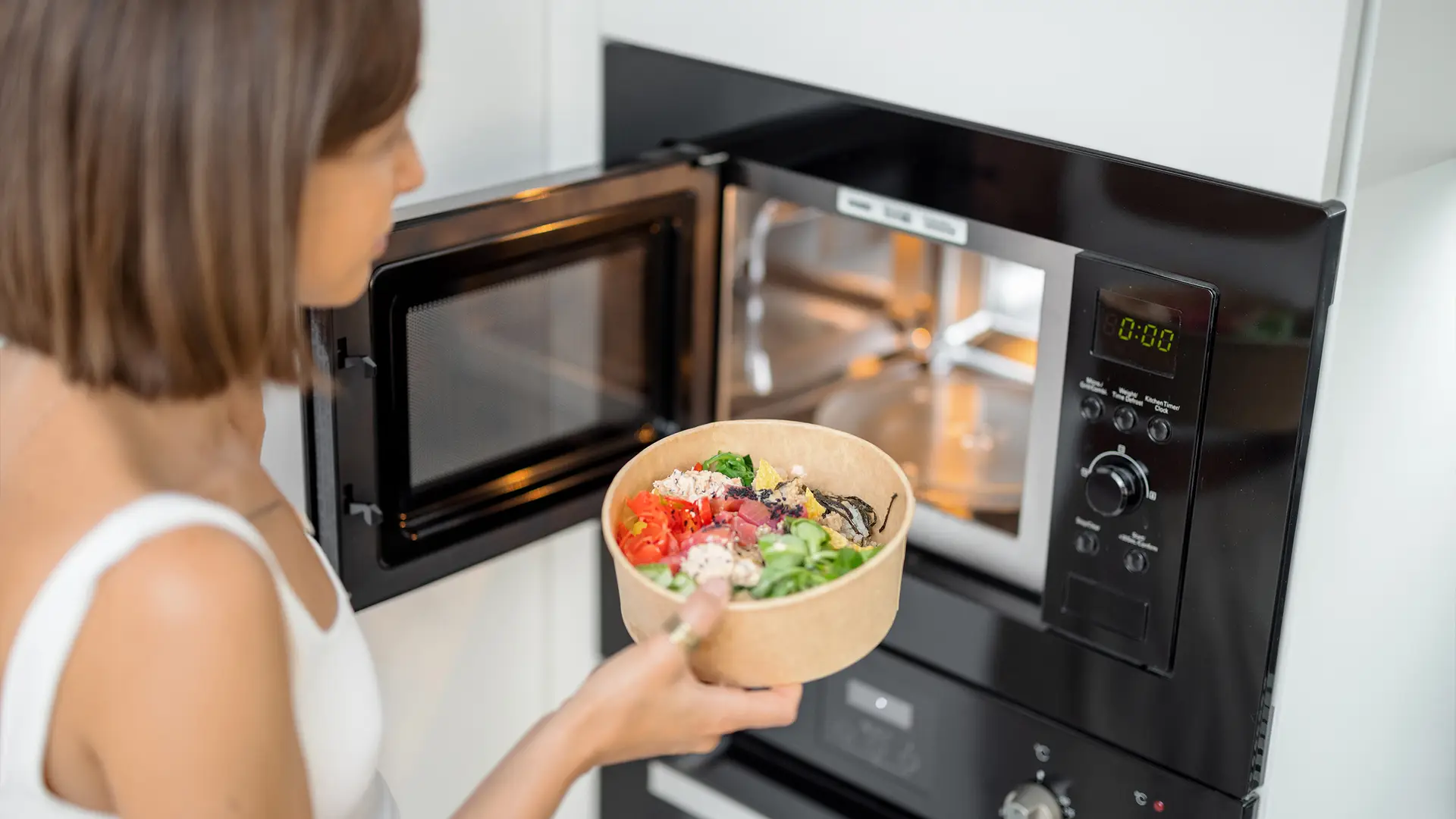
Choosing the right microwave power rating can make all the difference in your kitchen. Whether you’re reheating leftovers or cooking a full meal, the wattage of your microwave affects speed, efficiency and energy use. But how much power do you really need?
In this guide, we’ll explain microwave watts, compare power levels, and help you choose the ideal model for your cooking habits and household size.
What Is Microwave Power Rating?
The microwave power rating refers to the amount of electrical power (measured in watts) the appliance uses to heat and cook food. In simple terms, the higher the wattage, the faster and more evenly your microwave will cook.
Most household microwaves range from 600 watts to 1200 watts, but what’s best for you depends on your usage. While a 1200W model can cook a ready meal in minutes, a 700W model may take longer but use less energy.
Microwave Wattage Comparison Table
| Wattage | Cooking Speed | Best For | Downsides |
|---|---|---|---|
| 600–700W | Slow | Reheating, small meals, travel | Longer cooking times |
| 800–900W | Moderate | General household use | May take longer for large meals |
| 1000–1100W | Fast | Families, bulk cooking, frozen meals | Uses more energy |
| 1200W+ | Very Fast | Frequent heavy use, large households | Can overcook smaller meals |
Compare microwave wattage to find the right balance of power, speed, and energy use.
How to Choose the Right Microwave Power Rating
Here are key factors to help you decide:
- Type of cooking: Do you just reheat leftovers, or cook full meals?
- Household size: More people usually means more power needed.
- Microwave size & budget: Compact models often have lower wattage.
- Energy efficiency: Lower wattage uses less energy but may take longer.
700W vs 1000W Microwave – Which Should You Choose?
| Feature | 700W Microwave | 1000W Microwave |
|---|---|---|
| Cooking Speed | Slower | Faster |
| Best For | Light use, reheating, student kitchens | Family meals, frozen dinners, regular cooking |
| Energy Use | Lower | Higher per minute, but faster |
| Cost | Cheaper models | More premium options |
| Cooking Results | May cook unevenly | More even heating |
Does Higher Wattage Mean Higher Running Costs?
Not necessarily. Although higher-wattage microwaves consume more power per minute, they cook food faster — which can make them more efficient overall. For example, a meal that takes 10 minutes in a 700W model might take just 6 minutes in a 1000W model, using similar total energy.
Final Tips Before You Buy
- Check the wattage on the product label or specification sheet.
- Balance speed and energy use based on how often you cook.
- Look for microwaves with adjustable power levels for flexibility.
- Consider inverter technology for even cooking and defrosting.
Frequently Asked Questions
- All Posts
- Cooker Hood Guides & Advice
- Dishwasher Guides & Advice
- General Appliance Guides & Advice
- Hob Guides & Advice
- Laundry Guides & Advice
- Microwave Guides & Advice
- Oven Guides & Advice
- Wine Cooler Guides & Advice
Keep your extractor running efficiently. Learn how to clean and replace cooker hood grease filters with our step-by-step guide. Quick...

Discover which dishwasher cycles save the most energy. Learn how Eco and Auto modes reduce costs while keeping your dishes...

Not sure if your oven needs hardwiring? Find out if you can plug your oven into a regular socket and...

Tired of your integrated washer making too much noise? Discover practical tips to reduce vibration and quieten your appliance. Read...

Wondering if kitchen foil can go in the oven? Discover safety tips, best practices, and common mistakes. Read now to...

Discover common built-in oven problems and how to fix them. Get easy troubleshooting tips and know when to call a...

Integrated vs freestanding laundry appliances – compare looks, cost, and convenience to find the best fit for your home. Read...

Is your oven slow to preheat? Discover common causes like faulty elements or poor seals and learn quick fixes to...

Find out whether your gas hob needs a Flame Failure Device (FFD) or Flame Supervision Device (FSD) and why they’re...