Home » General Appliance Guides & Advice » How Long Can Wine Be Stored in a Wine Cooler?
How Long Can Wine Be Stored in a Wine Cooler?
Wine stored in a wine cooler at the right temperature and in stable conditions will keep for as long as it would in a traditional cellar, and in many respects more reliably, since a wine cooler maintains consistency that an underground cellar rarely achieves in a domestic setting. The storage window depends on the wine style, but temperature stability matters more than hitting a precise number.
Why stability matters more than the exact temperature
Wine ages through a series of slow chemical reactions involving oxygen, acids, tannins, and sugars. These reactions proceed at a rate determined by temperature: warmer speeds them up, cooler slows them down. The ideal temperature for long-term storage is somewhere between 10°C and 15°C depending on the style. The range that causes problems is not the specific degree you set, it is the daily or weekly fluctuation around it.
A wine stored consistently at 14°C will age better than one stored at an average of 12°C but fluctuating between 8°C and 18°C depending on the ambient temperature. Temperature swings cause the wine to expand and contract inside the bottle, eventually stressing the cork seal and allowing small amounts of oxygen to enter. A wine cooler’s primary advantage over a kitchen rack or a spare room is the consistency of the temperature it maintains, not simply that it is cool.
Storage times by wine style
These figures assume correct, stable temperatures and proper storage conditions. They are practical guides rather than guarantees. Real ageing potential also depends on producer, vintage quality, and closure type.
| Wine style | Recommended temperature | Suggested storage window |
|---|---|---|
| Light to medium red | 12–14°C | 2–5 years |
| Full-bodied red | 13–15°C | 5–10 years |
| Dry white and rosé | 7–10°C | 6–24 months |
| Oak-aged or fuller white | 10–12°C | 2–5 years |
| Sparkling (non-vintage) | 6–8°C | 1–2 years |
| Sparkling (vintage) | 6–8°C | 3–5 years |
| Fortified (Port, Madeira, etc.) | 12–14°C | 10+ years depending on style |
| Opened bottles (stoppered) | Same as style | 2–5 days (still); 1–3 days (sparkling) |
If you drink and age simultaneously, a dual-zone wine cooler lets you set different temperatures for each compartment, keeping whites at serving temperature in one zone while reds age at cellar temperature in the other. The CATA wine cooler range includes single and dual-zone models.
The conditions that protect wine beyond temperature
Humidity
Relative humidity of 55 to 70 percent keeps natural corks from drying out and shrinking. A dry cork allows oxygen to enter and accelerates deterioration. Most wine coolers maintain adequate humidity passively. If the cooler is in a very dry environment, a small hygrometer inside can confirm levels are adequate.
Bottle orientation
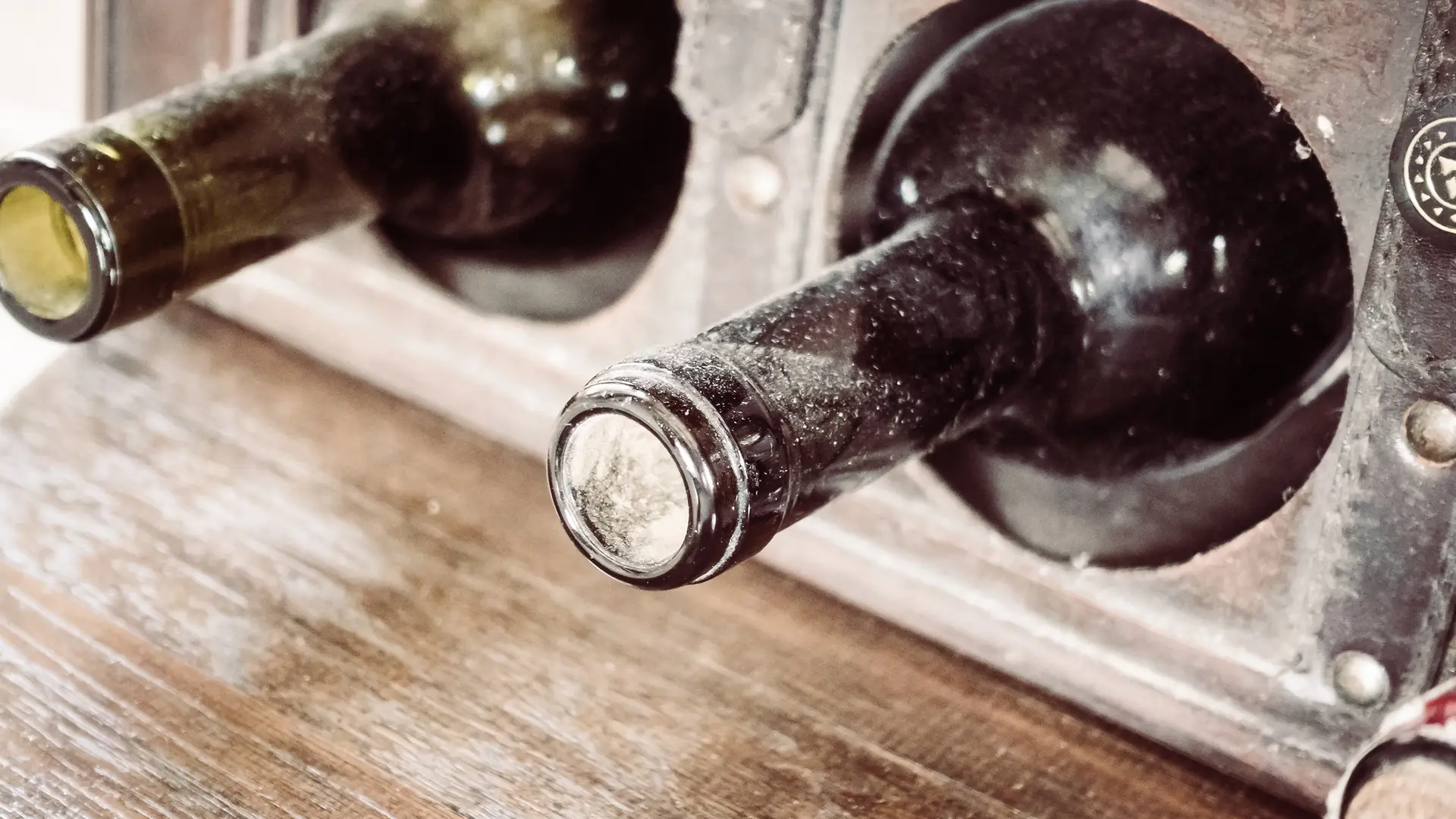
Natural cork-sealed bottles should be stored horizontally, keeping the cork in contact with the wine. This prevents the cork from drying and maintains the seal. Screwcap bottles do not need to be horizontal for sealing purposes, though horizontal racking is space-efficient regardless.
Light
UV light degrades wine through photochemical reactions, producing compounds that cause “lightstruck” off-flavours. Wine coolers with UV-filtered glass doors or solid doors prevent this. Avoid positioning a wine cooler in direct sunlight, even with UV-filtered glass.
Vibration
Persistent vibration can disturb sediment, disrupt the slow chemical reactions of ageing, and accelerate deterioration in fine wines. Wine coolers with thermoelectric cooling (no compressor) produce no vibration. Compressor models produce minimal vibration during normal operation. Avoid placing wine coolers on washing machines, near subwoofers, or in other high-vibration locations.
For guidance on cleaning and maintenance to keep your wine cooler running at its best, see the guide to how often to clean a wine cooler. For choosing between single and dual-zone models, the CATA wine cooler range covers both freestanding and built-in options across a range of capacities.
Common questions answered
Is a wine cooler good enough for serious long-term ageing?
Yes, provided temperature and humidity are stable, vibration is minimal, and light exposure is controlled. A quality wine cooler maintains more consistent conditions than most domestic spare rooms or under-stairs cupboards. For very long cellaring of fine wine over 10 or more years, a dedicated cellar or professional storage offers even greater stability, but a wine cooler is entirely adequate for most home collectors.
Do screwcap wines need to be stored horizontally?
Not for sealing purposes. Screwcaps do not dry out the way natural corks do. Horizontal storage is harmless and space-efficient for any bottle type, but it is only strictly necessary for natural cork-sealed bottles where drying the cork would compromise the seal.
Can I store red and white wine in the same wine cooler?
In a single-zone cooler, you can store both but will need to compromise on temperature. A setting of around 12°C is a reasonable middle ground. For optimal results with both styles simultaneously, a dual-zone model with independently controlled compartments is the better choice.
How do I know if a wine has been stored too long?
Visual and aromatic signs include a browning or brick-coloured tint in the wine (particularly reds), a flat or vinegary smell when opened, or a loss of fruit character on the nose. A wine that has passed its peak is rarely undrinkable, but it will have lost the primary fruit and complexity it once had. Within the storage windows in the table above, deterioration from overstorage is unlikely.
Explore More Kitchen Advice & Buying Guides
Browse our latest articles covering appliance tips, energy-saving advice, and expert guidance – designed to help you choose, use, and get the most from your kitchen appliances.