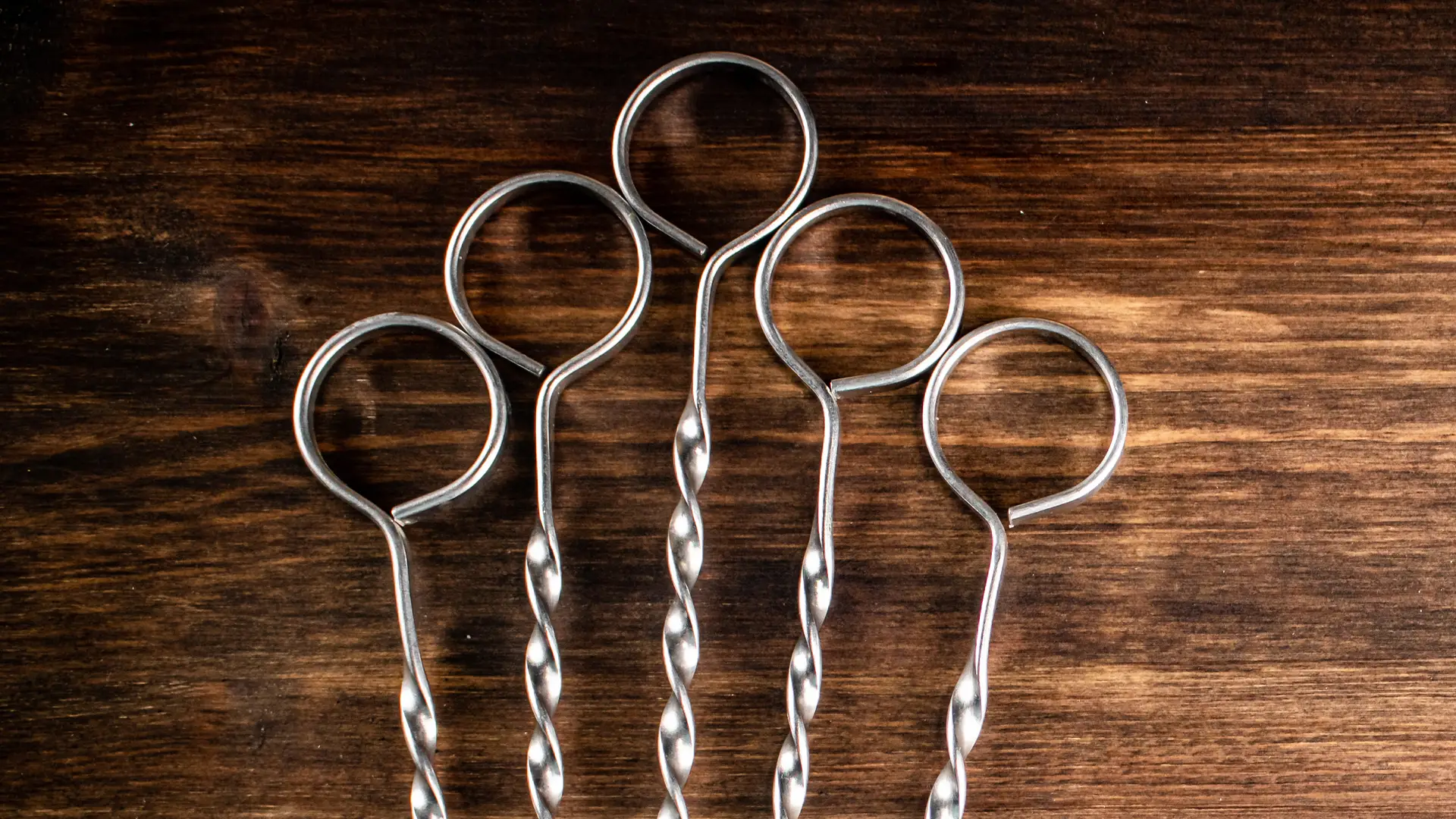
Can You Put Metal Racks or Skewers in a Microwave Grill?
Sometimes yes, sometimes no — and the difference matters. The metal rack supplied with your microwave grill is specifically designed and tested to be used with that appliance in grill mode. Anything else — a random metal rack, a steel skewer, a sheet of foil — can cause arcing, which damages the interior and in some cases starts a fire. The mode you are using is as important as the metal itself.
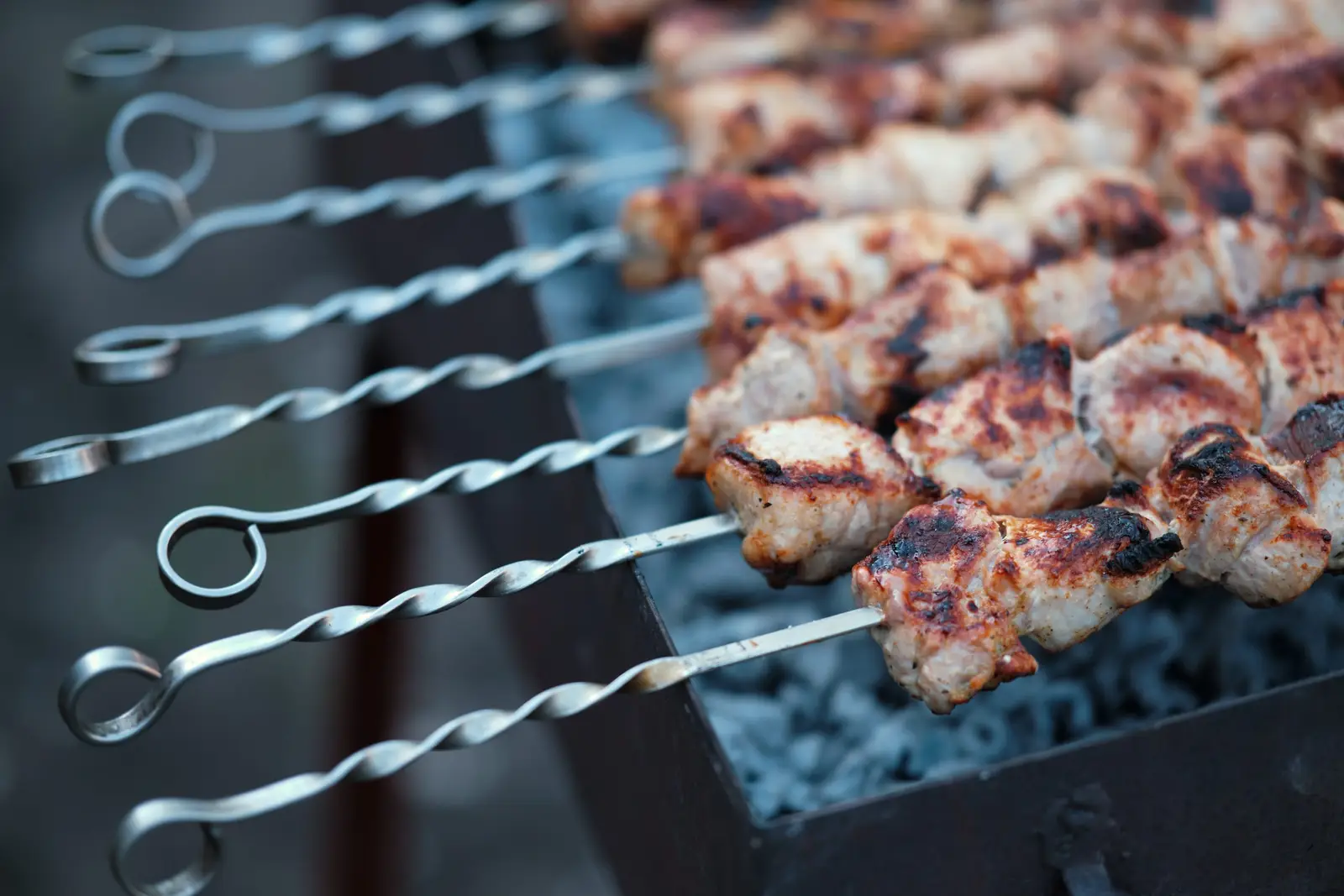
Which Metal Items Are Safe in a Microwave Grill
A microwave grill is a combination appliance that operates in at least two distinct modes: standard microwave mode and grill mode. Some models add a third combined mode. The fundamental point that most guides skip over is this: what is safe in grill mode is not safe in microwave mode, and vice versa. The metal item itself is only half the question — the mode determines the risk.
Why Arcing Happens — and Why It Matters
The physics in plain terms
A microwave oven generates electromagnetic waves at 2.45 GHz. Food absorbs these waves because it contains water and fat molecules that vibrate in response to them, generating heat. Metal does the opposite: it reflects electromagnetic waves rather than absorbing them. When reflected waves interfere with each other inside the sealed cavity, they create regions of concentrated electromagnetic energy. At sharp edges, points, or thin cross-sections of metal, this concentrated energy causes electrons to jump through the air — the visible spark of arcing.
The danger is not just cosmetic. Repeated or sustained arcing burns through the cavity’s interior coating, exposing the metal beneath. Once the lining is compromised, further arcing becomes more likely and more severe. In the worst cases, arcing can ignite food packaging, damage the magnetron — the component that generates the microwaves — or crack the cavity interior. A damaged magnetron typically requires the appliance to be replaced rather than repaired economically.
The manufacturer-supplied rack avoids this because it is tested at the specific power levels and cavity geometry of that exact model, positioned in a way that keeps it out of regions where charge concentrates. A substitute metal item does not carry any of those assurances.
What You Can Use in Each Mode
Most confusion about metal in microwave grills comes from not distinguishing between modes. This table sets out the practical rules for each mode on a typical combination microwave grill.
| Mode | Manufacturer rack | Foil (small amounts) | Any other metal | Glass and ceramic |
|---|---|---|---|---|
| Microwave only | No | No | No | Yes |
| Grill only | Yes | Manual only | No | Yes — oven-safe only |
| Combination (microwave + grill) | Manual only | No | No | Yes — oven-safe only |
| Defrost | No | No | No | Yes |
The single rule that covers every situation: if it is not listed as approved in your model’s manual, do not put it in. Microwave grill manuals are specific rather than general — what is permitted on one model is not necessarily permitted on another, even from the same manufacturer. The manual is the authority, not online forum consensus or general microwave safety advice that does not account for grill mode.
Skewers: What to Use Instead
The most common reason people reach for a metal skewer in a microwave grill is to cook kebabs, chicken pieces, or vegetable skewers under the grill element. The solution is straightforward: wooden skewers work in every mode that metal skewers cannot, and they produce comparable results for most foods.
Wooden skewers — soaked in water
Soak wooden skewers in cold water for at least 20 to 30 minutes before use. The absorbed water prevents the exposed wood from charring under the grill element during a typical cooking time. Use them in grill mode exactly as you would use metal skewers in a conventional grill. They will not arc, will not damage the cavity, and are safe in combination mode.
Silicone skewers
Food-grade silicone skewers rated for high temperatures are an alternative to wooden ones. They are reusable, do not require soaking, and are safe across all microwave grill modes. Check that any silicone skewer you purchase is specifically rated for grill temperatures — not all silicone products are equivalent. The food-grade and heat-rating markings on the packaging are the verification.
Rosemary sprigs
For specific dishes — lamb or chicken pieces — thick rosemary sprigs make excellent natural skewers. They add flavour during cooking, handle grill temperatures well without charring quickly, and are obviously safe in any mode. Strip the lower leaves, leaving a few at the tip, and thread the food as you would with a conventional skewer.
Use a grill rack and tongs
For foods that do not need skewering, the manufacturer’s rack positions food away from the base of the cavity to allow even browning beneath the grill element. Place food directly on the rack and turn it with non-metal tongs partway through. This achieves even grill results for most everyday foods without needing skewers at all.
If you are buying a new combination microwave grill, CATA’s built-in microwaves include models with dedicated grill and combination modes, each supplied with the appropriate rack and full guidance on approved accessories. The guide to which materials are safe in a microwave covers the full range of container and cookware materials in detail.
The rules to remember
- ✓The manufacturer-supplied rack is safe in grill mode. This is what it is designed for — use it as directed.
- !Whether the rack is safe in combination mode depends on your specific model. Check the manual rather than assuming.
- ✗No metal of any kind belongs in standard microwave mode. This includes the manufacturer’s own rack if the manual specifies grill mode only.
- ✗Metal skewers are never approved accessories for a microwave grill. Use wooden skewers soaked in water or food-grade silicone alternatives.
- ✗Oven-safe metal bakeware is not microwave-safe. The two ratings are entirely separate and one does not imply the other.
- !Arcing damages the cavity lining permanently and can harm the magnetron. The cost of replacing an appliance significantly outweighs the inconvenience of using the correct accessory.
- ✓Your appliance manual is the definitive reference. It lists every approved accessory and every mode in which each is permitted. When in doubt, look it up rather than guessing.