Can You Vent a Cooker Hood Into a Chimney?
Sometimes, but only in one specific situation. You can route a cooker hood duct up through a disused chimney to vent outside, as long as it is lined with the correct ducting, swept clean first, and finished with a proper terminal at the top. You must never vent into a chimney or flue that still serves a working fire, stove or boiler.
Quick answer
A disused chimney can be used as a concealed route to carry extract air up and out, but the air must travel inside a proper duct run, not loose in the masonry. The chimney needs sweeping, lining with the correct-diameter ducting, and a suitable terminal at the top. If the chimney still serves any working appliance, do not use it, because of the risk of pushing combustion gases back into your home. For the basics, our guide on whether cooker hoods need to vent outside is a good starting point.
The Short Answer
Venting a cooker hood into a chimney is possible in one case: where the chimney is genuinely redundant and you run dedicated ducting up through it to the outside air. It is not as simple as pointing the hood at an old fireplace opening and letting the air find its own way up. Do that and you invite condensation, grease and poor performance, which the sections below explain.
There is also one situation where the answer is a firm no, with no exceptions, and that is the most important point on this page.
The One Rule You Must Never Break
Never vent a cooker hood into a flue that still serves a working appliance. That means any gas, solid fuel or oil appliance such as an open fire, wood burner, stove or boiler. Sharing a live flueThe passage in a chimney that carries smoke and combustion gases safely out of a building from a fire, stove or boiler. can interfere with how that appliance vents and can push combustion gases, including carbon monoxide, back into the room. Carbon monoxide is colourless and odourless and can be fatal. If your chimney serves any working appliance, do not use it for extraction, and speak to a registered professional. For gas safety advice, the Gas Safe Register is the official source.
Using a Disused Chimney as a Duct Route
If the chimney is truly out of use, with no appliance connected and the fireplace capped or sealed, it can make a tidy, concealed route for the ducting. The key is that the extract air travels inside a proper duct all the way up, not blown into the open brick void. To work well and safely, the run should meet all of the following.
- Confirmed disused. No fire, stove or boiler uses the flue, and it has been checked.
- Swept and cleaned first. Old soot and tar deposits are removed before any ducting goes in.
- Lined with correct-diameter ducting. Rigid or flexible ducting, sized to match the hood, run continuously from the hood to the terminal. Our guide on what size ducting to use covers this.
- As straight as possible. Chimneys often have offsets that sap airflow, so minimise bends. See how ducting bends affect airflow.
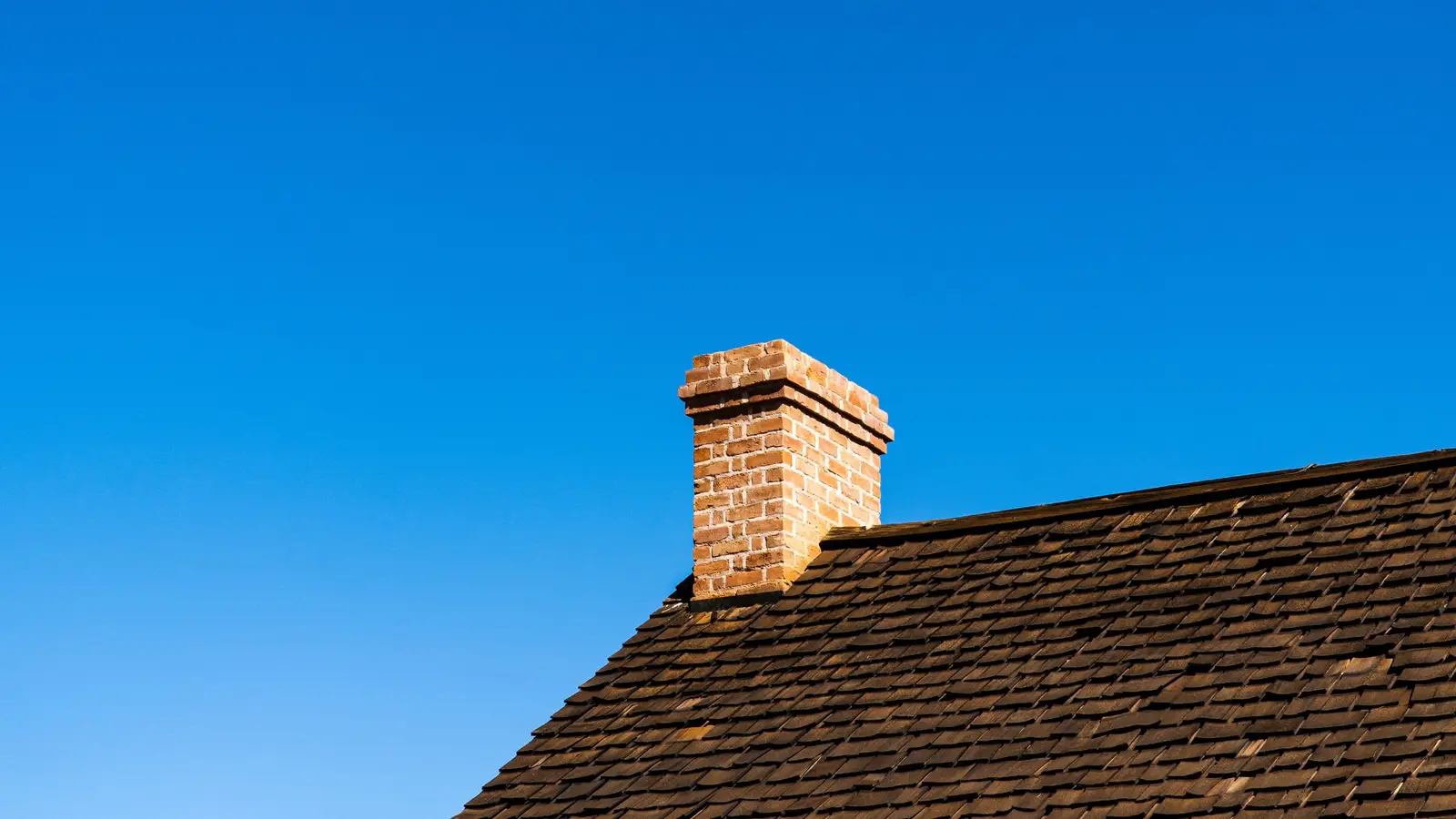
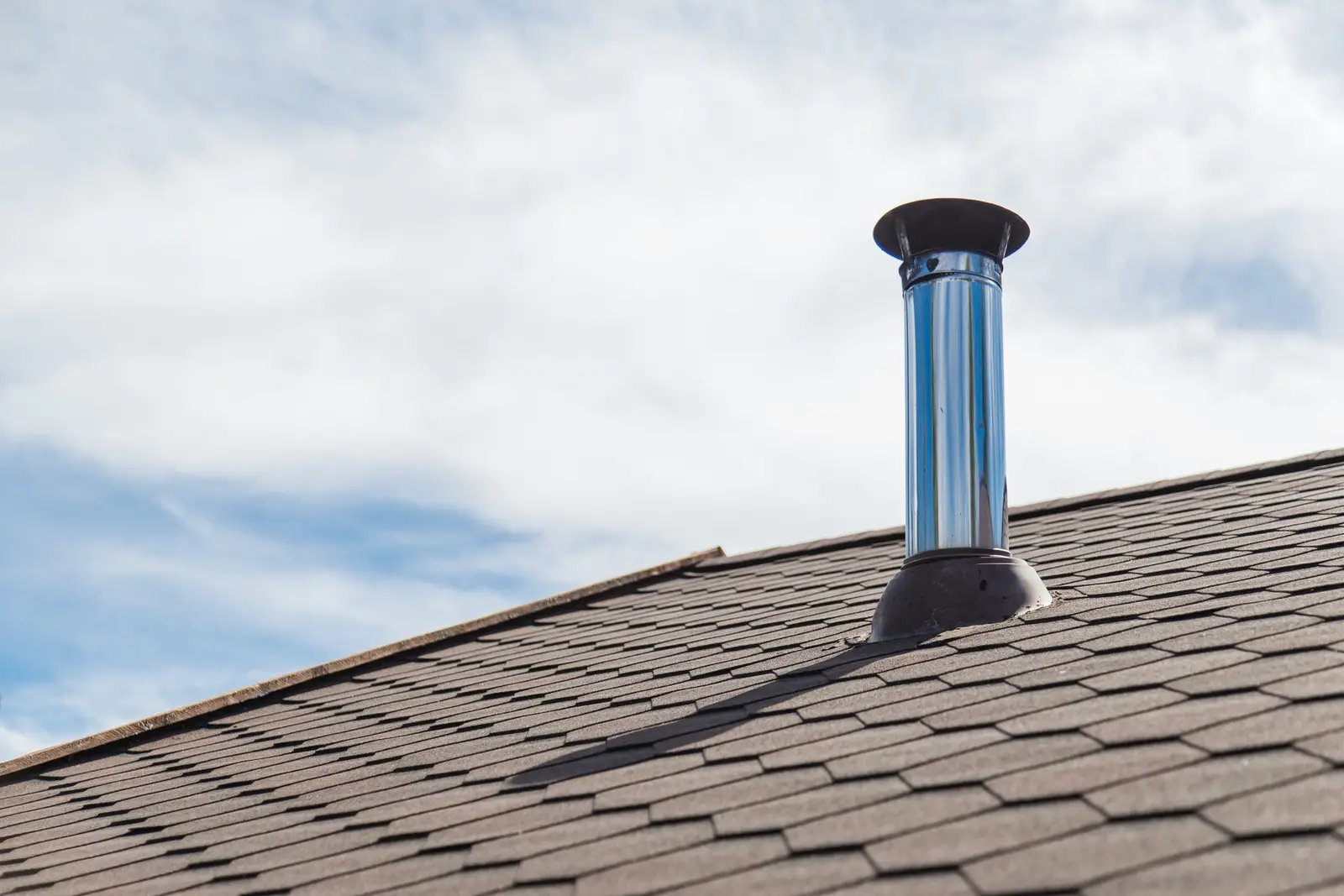
- Terminated outside with a proper cowlA capped fitting at the top of a flue or duct that lets air out while keeping rain, debris and birds from getting in.. It must let air out, keep rain and birds out, and never be a solid cap.
- Checked for compliance, ideally by a qualified installer.
Why You Cannot Just Blow Air Into Bare Brickwork
It is tempting to treat an old flue as a ready-made vent, but unlined masonry causes a string of problems.
- Condensation and damp. Warm, moist, greasy air hits cold masonry and condenses, staining the chimney breast and leading to damp.
- Grease and tar. Grease settles on rough internal surfaces, and disturbed old deposits can give off unpleasant smells.
- Poor airflow. A wide, rough, irregular flue with bends throttles the hood, so it never performs as it should. See recommended extraction rates.
- Leaks into other rooms. Air can escape through old fireplace openings or cracks elsewhere in the stack.
- No weather protection. An open or wrongly capped top lets in rain, debris and birds.
What Good Practice Looks Like
The gold standard for any ducted hood is the shortest, smoothest run possible to an external wall or roof terminal. A disused chimney can serve as the vertical part of that route, provided it is lined with the right ducting and finished correctly at the top. The duct does the work; the chimney simply hides and supports it.
If a Chimney Will Not Work: the Recirculating Option
Where ducting through a chimney is impractical, a recirculating hood is the simpler choice. Rather than sending air outside, it passes it through grease and carbon filters and returns the cleaned air to the kitchen. It is less effective at clearing moisture, but it needs no ductwork at all. To weigh it up, see recirculating versus ducted cooker hoods and our explainer on cooker hood carbon filters.
Can You Vent a Hood Into It? Quick Reference
| Type of chimney or flue | Can you vent into it? | What to do |
|---|---|---|
| Disused, capped chimney | Possibly, with lined ducting | Sweep, line with correct duct, terminate outside |
| Chimney serving a working fire or stove | No | Never share a live flue; get professional advice |
| Chimney serving a boiler flue | No | Never; this is an active combustion flue |
| Open, unlined masonry flue | Not recommended | Line it properly first, or duct elsewhere |
| No chimney available | Not applicable | Duct to an external wall, or use a recirculating hood |
Building Regulations and Getting It Checked
Important: Kitchen extract ventilation in England is covered by Approved Document F of the Building Regulations, and any work that affects a chimney or flue should be assessed properly. If you are in any doubt, a qualified installer or your local building control can confirm what is safe and compliant before you start.
Planning your cooker hood setup?
Getting the extraction route right is what makes a hood actually work. These guides help you choose and set up the right one.
- Start with whether cooker hoods need to vent outside
- Work out the right model with what cooker hood do I need
- Browse the full CATA cooker hood range
Frequently Asked Questions
Only if the chimney is genuinely disused and you run proper ducting up through it to a terminal outside. Simply venting into the open fireplace void is not advisable, as the moist, greasy air condenses on cold brickwork and the airflow is poor. Have the flue swept and lined first, and confirm nothing else uses it.
No. You must never share a flue that serves a working wood burner, stove, fire or boiler. Doing so can disrupt how the appliance vents and risks drawing combustion gases, including carbon monoxide, back into the room. If the flue is in use, it is off limits for extraction.
Yes. Running continuous, correctly sized ducting through the chimney is what keeps the air contained, protects the masonry from condensation and grease, and maintains airflow. Blowing air into the bare flue void invites damp, smells and weak performance.
Match the ducting to the hood’s outlet and avoid reducing the diameter, since narrowing the duct chokes airflow. Keep the run as straight as the chimney allows, because each bend costs you extraction power. Our ducting size guide explains the right approach for your hood.
It can, if the route is long or has several bends, which chimneys often do. A properly lined, reasonably straight run keeps losses low, but a rough, wide, twisting flue will noticeably weaken extraction. Checking the recommended extraction rate for your kitchen helps you judge whether the route will cope.
A recirculating hood is the practical alternative. It filters grease and odours with carbon filters and returns the cleaned air to the room, needing no ductwork. It does less for moisture than an external vent, but it is far simpler to fit where ducting is not an option.
Final Verdict
You can vent a cooker hood into a chimney, but only a disused one, and only when it is properly lined and terminated. The duct does the work, and the chimney just hides the route.
- Never use a flue that serves a working fire, stove or boiler.
- Sweep the chimney and line it with correct-diameter ducting.
- Keep the run as straight as possible and terminate outside.
- If ducting is impractical, choose a recirculating hood instead.
- When in doubt, get a qualified installer to assess it.