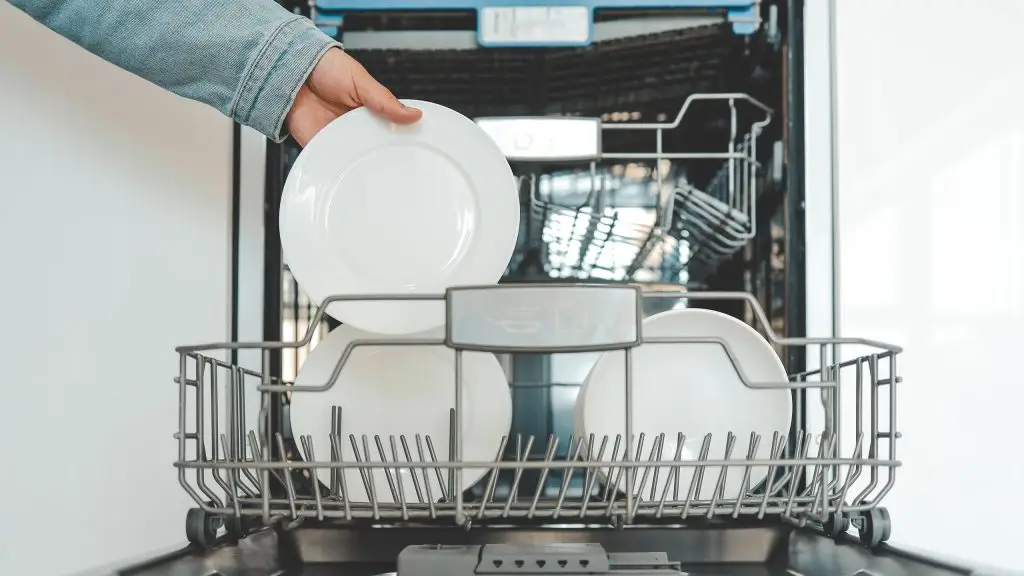
Why Is My Dishwasher Not Drying Properly?
You open the door, the cycle is finished, but the plates are still wet and the plastics are dripping. If your dishwasher isn’t drying properly, there’s usually a clear reason behind it — and often it’s something simple to fix. In many homes, poor drying performance is caused by rinse aid levels, loading habits, programme choice, or the way the machine releases heat and moisture at the end of the cycle.
Modern dishwashers are designed to clean efficiently while keeping water and energy use under control. That means many models now use gentler drying methods than older machines, so they can sometimes appear to be underperforming when they are actually working as intended. The key is understanding how dishwasher drying works and what can interrupt it.
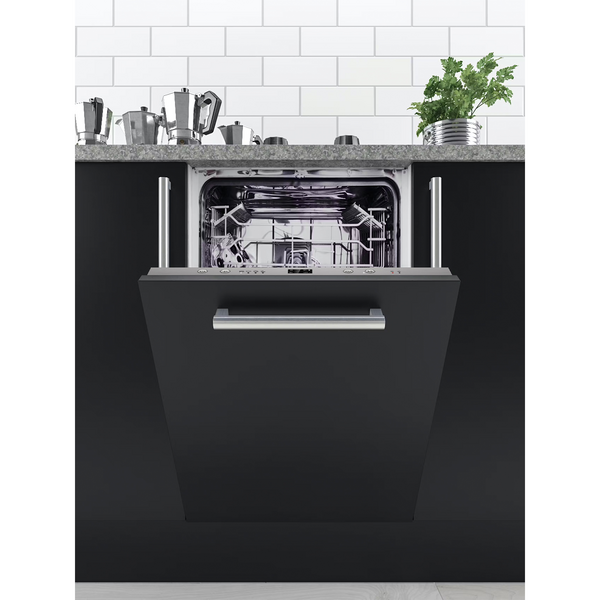
Most models remove moisture using gentle heat and airflow, or by a process called condensation dryingA drying method where warm, moist air cools on the dishwasher’s interior walls, turning into water that drains away.. This works best when there is enough space between items, the rinse aid level is correct, and the appliance can vent steam effectively. If any part of that process is interrupted, dishes can come out damp even when the wash itself has worked perfectly.
Common Reasons Your Dishwasher Isn’t Drying
Several everyday issues can reduce drying performance. Before assuming there’s a fault, it’s worth checking the basics first. In many cases, one or two small adjustments are all that’s needed to get much better results.
Overloaded or Poorly Loaded Dishwasher
How you load the dishwasher has a direct effect on how well it dries. Warm air needs clear pathways to move around the machine, and water needs somewhere to run off. If items are too close together, touching, or stacked in a way that traps water, moisture is much more likely to remain on the surfaces at the end of the cycle.
- Items that touch or nest together block air circulation and stop heat moving around the load properly.
- Large trays or pans on the lower rack can shield the heating zone and trap moisture above.
- Mugs, bowls, and food containers should be angled so water drains away instead of pooling inside them.
- Overcrowding the racks makes it harder for both cleaning and drying to work efficiently.
Rinse Aid Is Empty or Set Too Low
Rinse aid is one of the biggest factors in drying success. It reduces water surface tension so droplets spread and run off dishes more easily. Without it, water clings to glassware, plates, cutlery, and plastics, which leads to visible droplets and damp patches.
- Top up the rinse aid dispenser if it is empty or running low.
- Set the dosage to a medium level first, then increase it slightly if droplets still remain after cycles.
- Use a good-quality detergent and make sure dishwasher salt levels are correct if your model uses it, as residue and filming can also hold moisture on the surface.
Plastic Items Stay Wet
Plastic items are one of the most common causes of dishwasher drying complaints. Unlike glass, ceramic, or metal, plastic does not retain heat well. That means it cools down faster, so water does not evaporate from the surface as effectively.
- Lunch boxes, lids, measuring jugs, and lightweight containers often come out wetter than everything else.
- Plastics usually dry better on the top rack, tilted where possible so water can run off.
- Opening the door at the end of the cycle helps trapped steam escape and can improve results for plastic items in particular.
Door Doesn’t Open at the End of the Cycle
Some dishwashers have an auto-door openingA feature that opens the dishwasher door slightly at the end of the programme so steam can escape and drying can finish more effectively. function that releases steam after the cycle. If your model has this feature and the door is not opening as expected, drying performance can drop because the moisture remains trapped inside the cavity.
- If the door stays fully closed, warm moist air may simply circulate inside the machine instead of escaping.
- On models without auto-opening, manually leaving the door slightly ajar for 10 to 15 minutes can help a lot.
- If the feature used to work and has stopped, it may point to a setting issue or a technical problem.
Faulty Heating Element, Fan, or Vent
If your dishwasher is not producing any residual warmth at the end of a long cycle, or if heavy steam remains trapped inside, there could be a problem with the heating system or the way moisture is being exhausted from the machine.
- No warmth at all after a full cycle can suggest a heating issue.
- Heavy visible steam when the door opens can point to poor venting or fan-assisted drying not working correctly.
- If your dishwasher normally makes a fan noise near the end of the cycle and that sound has disappeared, the fan may not be operating.
Dishwasher Drying Methods Explained
Not all dishwashers dry in the same way. Some rely mainly on leftover heat from the final rinse, while others use fan assistance, a dedicated heating stage, or an automatic door-opening function. Understanding the drying method your dishwasher uses can help explain why results vary from one model to another.
| Drying method | How it works | What to expect |
|---|---|---|
| Residual heat drying | Uses the warmth left from the wash and final rinse to evaporate moisture | Efficient and simple, but plastic items may still come out damp |
| Condensation drying | Moist air cools on the dishwasher’s interior walls and drains away as water | Quiet and energy-efficient, but results depend heavily on rinse aid and loading |
| Fan-assisted drying | A fan helps move air around the cavity and push moist air out | Usually gives better all-round drying, especially on mixed loads |
| Heated drying | A heating element adds extra warmth near the end of the cycle | Strong drying performance, but often with higher energy use |
| Auto-door opening | The door opens slightly after the programme to let steam escape | Very effective for reducing lingering moisture and improving natural drying |
How to Improve Your Dishwasher’s Drying Performance
Before calling a technician, try a few practical changes. These are the same kinds of steps that often solve poor drying on otherwise healthy machines.
- Always use rinse aid and keep the dispenser topped up.
- Space items evenly so warm air can circulate freely around the load.
- Angle cups, bowls, and containers so water drains off rather than pooling.
- Place plastic items on the top rack where they are less likely to trap heat and water awkwardly.
- Use an Extra Dry or Intensive Dry setting if your dishwasher has one.
- Leave the door slightly open for 10 to 15 minutes after the cycle finishes to release steam.
- Wipe excess water from the door seal and edges occasionally, as trapped moisture can linger there even when the main load is dry.
If you are thinking about replacing an older machine, you can browse the CATA dishwasher range for models designed around efficient cleaning and better everyday drying, or read more help articles in the dishwasher advice section.
When It Might Be a Technical Fault
If your dishwasher has always dried well but has suddenly stopped, the problem may be mechanical or electrical rather than a loading or rinse aid issue. This is especially worth considering if everything in the machine feels cold at the end of the programme.
Signs of a Faulty Heating Element
- Dishes and interior surfaces feel cold immediately after a full cycle.
- Water may not be reaching proper wash temperatures, which can also affect cleaning results.
- The programme finishes unusually quickly, suggesting a heating stage may have been skipped.
Signs of a Faulty Fan or Vent System
- Visible steam clouds appear when the door opens, showing moisture has been trapped inside.
- Heavy water droplets sit on the inner door, racks, or upper surfaces after drying should have finished.
- The usual fan sound near the end of the programme is missing, which can point to a failed motor or blocked vent.
Preventing Future Drying Problems
A few simple habits can help keep your dishwasher drying efficiently for years. Regular care helps the heating system, sensors, filters, and vents do their job properly, which supports both better cleaning and better drying.
- Clean the filters and spray arms regularly so water can circulate properly.
- Keep the rinse aid dispenser topped up and salt balanced where required.
- Avoid overloading the racks or blocking vent areas with large trays and pans.
- Run an empty maintenance cycle with a dishwasher cleaner every month or so to remove grease and limescale build-up.
- Leave the door slightly ajar after cycles to release moisture and help prevent stale smells around the seals.
Frequently Asked Questions
Conclusion
In most cases, when a dishwasher fails to dry properly, the cause is something straightforward such as incorrect loading, low rinse aid, or trapped moisture at the end of the cycle. Checking these basics first often restores drying performance quickly without the need for any repair work.
If your dishes remain cold and consistently wet after every programme, though, there may be a genuine issue with the heating element, fan, or vent system. In that situation, it is safest to stop at basic checks and arrange a professional inspection.
For the best long-term results, keep up with regular maintenance, top up rinse aid, avoid overloading, and allow airflow after each wash. These small habits can make a noticeable difference to how dry your dishes come out every day.