What Oven Temperature Keeps Food Warm Without Drying It Out?
The right temperature range is 75°C to 95°C — low enough to hold food without continuing to cook it, high enough to stay safely above the 63°C threshold that the Food Standards Agency specifies for hot food. The exact setting depends on what you are keeping warm: delicate items like bread and vegetables need the lower end, while casseroles and dense roasts tolerate the upper end well.
Temperature and Timing by Food Type
Different foods respond differently to low oven heat. A joint of roast beef can hold at 85°C for 45 minutes without deteriorating meaningfully; a tray of roast vegetables at the same temperature for the same time will be soft and limp. The table below sets out the practical temperature and time limits for the foods most commonly held warm before serving.
| Food type | Temperature | Maximum hold time | Key tip |
|---|---|---|---|
| Roast meat (beef, lamb, pork) | 80 to 90°C | 30 to 45 min | Tent loosely with foil; resting also continues here |
| Roast poultry (whole or portions) | 80 to 85°C | 20 to 30 min | Cover well; poultry dries quickly without a lid |
| Casseroles and stews | 85 to 95°C | 45 to 60 min | Keep covered with a tight-fitting lid; stir once halfway |
| Roast or baked vegetables | 75 to 80°C | 15 to 20 min | Leave uncovered to preserve any remaining crispness |
| Rice, pasta, grains | 75 to 80°C | 20 to 30 min | Cover tightly; add a splash of water before covering to prevent drying |
| Bread, rolls, baked goods | 75°C | 15 to 20 min | Wrap in foil; avoid added moisture which makes crusts soggy |
| Baked pasta (lasagne, gratin) | 85°C | 30 to 45 min | Keep covered; the topping continues to set if left uncovered |
| Soups and sauces (oven-safe pot) | 85 to 95°C | Up to 60 min | Lid on; stir occasionally to prevent a skin forming |
Times assume food is already at serving temperature when placed in the oven. Food taken straight from the refrigerator or still partially cold should be reheated fully before switching to a holding temperature.
Food Safety and the Danger Zone
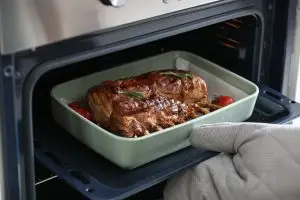
Temperature is not just a question of food quality — it is a food safety issue. The Food Standards Agency specifies that hot food must be held at 63°C or above to prevent the multiplication of harmful bacteria. Food left between 8°C and 63°C is in what food safety guidelines call the danger zone: the temperature range in which bacteria multiply most rapidly.
This means two things in practice. First, 75°C is the safe lower bound for oven holding — it gives a comfortable margin above 63°C even if your oven runs slightly cool. Second, you should not allow food to cool and then reheat it repeatedly in the oven. Each cycle through the danger zone increases risk. If food has cooled significantly, reheat it fully to at least 75°C throughout before switching to a holding temperature.
An oven thermometer is the most reliable way to confirm your oven is hitting the temperature its dial shows. Many ovens run 10 to 20 degrees hotter or cooler than indicated, which matters considerably when you are trying to maintain a precise 80°C rather than a baking temperature where a few degrees is inconsequential.
A food probe thermometer is equally useful for checking the internal temperature of thicker items — a deep dish of lasagne or a rolled joint of meat — to confirm the centre has not fallen below safe temperature during the hold period.
How to Prevent Food Drying Out
A low-temperature oven is still a dry environment. The heat element or fan circulates warm dry air, which draws moisture away from exposed food surfaces over time. The longer food sits, the more moisture is lost — which is why even correctly tempered food can dry out if held too long or left uncovered.
Cover everything that benefits from it
Tightly foil-wrapped or lidded dishes hold their own steam, which keeps the interior moist. Foil works well for meats, casseroles, and baked pasta. Bread and goods with a crust should be foil-wrapped too, but without added moisture — steam makes crusts soft and chewy rather than dry.
Add a small bowl of water to the oven
Placing an oven-safe bowl or ramekin filled with hot water on the bottom shelf increases the humidity inside the oven cavity, which slows surface moisture loss on uncovered or loosely covered dishes. This is particularly useful for holding roast meats and vegetables that you want to keep from shrinking or wrinkling. It is not necessary for tightly lidded pots.
Use deeper dishes
Shallow trays expose more surface area to the dry oven air. Transferring food from a shallow roasting tray to a deeper casserole dish with a lid significantly reduces moisture loss over the same holding period. The depth creates a microclimate of steam inside the dish itself.
Do not hold for longer than you need to
Even with the right temperature and good moisture management, food quality declines over time in a holding oven. The practical approach is to have everything ready as close to serving time as possible and use the oven as a buffer of 20 to 30 minutes, not as a way to cook ahead by an hour or more.
Alternatives to the Oven for Keeping Food Warm
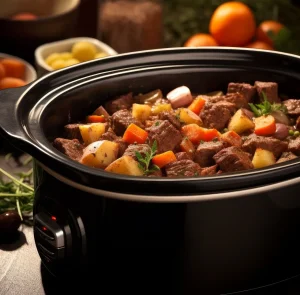
The oven is not always the most convenient or efficient option, particularly when the oven is still in use for another dish, when you are keeping food warm for a longer period, or when the quantity is small enough to be impractical to heat the whole oven for.
Warming drawer
A dedicated warming drawer maintains a precise, gentle temperature — typically 60°C to 80°C — designed specifically for this purpose. Unlike the main oven, it does not risk overcooking and is more energy-efficient for long holding periods. CATA’s warming drawers are designed to sit below a built-in oven and hold multiple dishes simultaneously.
Slow cooker on keep-warm
Most slow cookers have a keep-warm setting that holds food at around 70°C to 80°C — within the safe holding range. Ideal for soups, stews, casseroles, and side dishes like potatoes or grains. The sealed lid retains moisture extremely well, often better than an oven for liquid-based dishes.
Insulated food carriers
For transporting food or when oven and hob space is fully committed, a good insulated food carrier keeps food above 63°C for one to two hours without any power source. Fill it with boiling water first to pre-warm the interior, then add the hot food in its covered dish.
Hob on the lowest setting
For sauces, gravies, and soups, a heavy-based pan on the lowest hob setting with a lid can hold food safely without the oven at all. Stir occasionally to distribute heat and prevent the base from catching. An induction hob’s precise low-end control makes this particularly reliable.
Common Mistakes to Avoid
The same few errors come up repeatedly when people keep food warm in the oven. Each one is easy to avoid once you know what to look for.
If you regularly cook ahead or entertain, a dedicated warming drawer from CATA handles all of this more precisely and efficiently than using the main oven. The guide to using your oven’s defrost function is worth reading alongside this for a full picture of the low-temperature settings most modern ovens offer. For food safety temperatures and guidance, the Food Standards Agency’s chilling guidance sets out the official thresholds.
Common questions answered
Is 100°C too hot to keep food warm?
Yes for most foods. At 100°C, thinner items continue cooking and moisture is lost rapidly. Stay at 95°C or below for holding. Casseroles in a tightly lidded pot can tolerate 95°C; everything else benefits from 80 to 85°C.
Can I keep food warm overnight?
No. Keeping food warm in an oven overnight is not safe or practical. Food should be stored properly within two hours of cooking. Reheat the following day to 75°C throughout before serving.
What is the keep-warm setting on an oven?
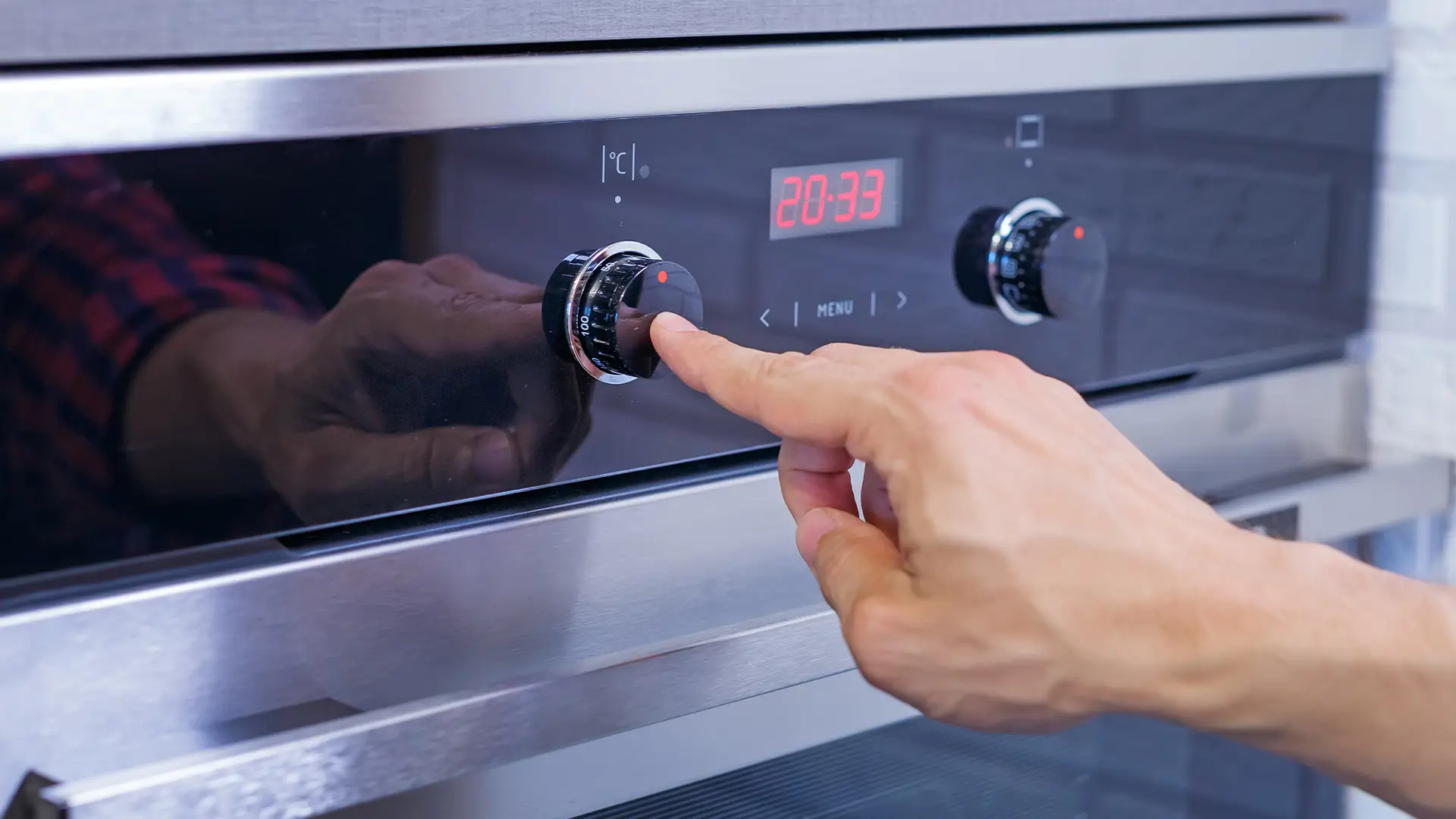
Most ovens with a dedicated keep-warm or low setting run between 60°C and 80°C. Check with an oven thermometer — the actual temperature can differ from the label. If your oven’s lowest marked setting is above 100°C, set it there and use the oven light and a probe thermometer to monitor.
Does fan mode help or hurt when keeping food warm?
Fan mode circulates air more efficiently, which means the oven reaches and maintains the set temperature more evenly — useful for holding multiple dishes consistently. However, fan mode also dries food faster than a conventional setting. Keep dishes covered if using fan mode for holding.