Home » Hob Guides & Advice » Pan Size Detection Myths: What Really Happens Under the Glass
Pan Size Detection Myths: What Really Happens Under the Glass
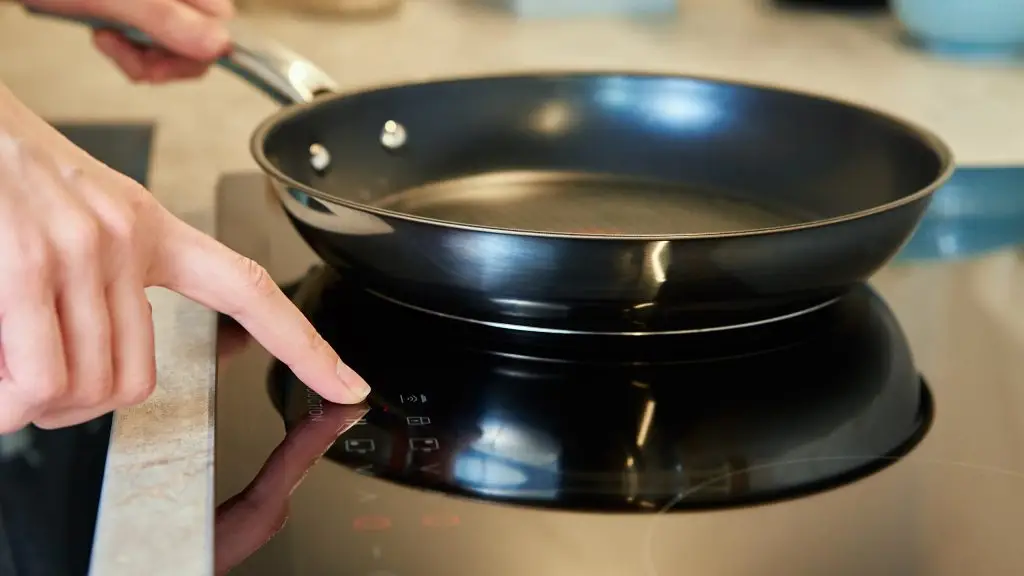
An induction hob does not detect pan size in the way most people assume. There is no camera, no weight sensor, and no diameter measurement. The hob detects magnetic load — how strongly the pan’s base responds to the electromagnetic field generated by the coil beneath the glass. That single principle explains most of the behaviour people attribute to mysterious “size detection”, and debunks most of the myths around why a pan sometimes does or does not activate a zone.
What Is Actually Happening Under the Glass
The hob measures how much of the electromagnetic field is absorbed by the pan base. Above a minimum threshold, the zone activates. The pan’s physical size is not measured directly.
The copper coil beneath the glass carries an alternating current at high frequency, producing an oscillating electromagnetic field above the glass surface. When a ferromagnetic pan base sits within this field, it absorbs energy from it — the field induces eddy currents inside the metal, which generate heat through resistance. The hob’s control electronics monitor how much of the field is being absorbed. If absorption exceeds a minimum threshold, the zone activates. If it does not, nothing happens and the hob either shows an error or simply does nothing.
This is why the hob appears to be detecting pan size. A larger pan base presents more ferromagnetic material to the field, absorbing more of it and producing a stronger load signal. A smaller pan base absorbs less. But the hob is not measuring diameter — it is measuring magnetic load. A small pan made from excellent quality magnetic stainless steel may produce a stronger load signal than a large pan with a thin, mixed-metal base. The quality and material of the base matters as much as, or more than, the physical diameter.
Common Myths — Busted
The hob measures the pan’s diameter
People assume the marked circles on the glass correspond to sensors that measure whether the pan covers them. Most do not. The circles are visual guides to help with positioning, not measurement boundaries.
It measures magnetic field absorption
The zone activates when sufficient magnetic load is detected above the coil. A pan that covers the zone’s circle perfectly but has a weak magnetic base may not activate. A smaller pan with a strongly ferromagnetic base can activate the full zone reliably.
Moving the pan slightly will stop it heating
Users sometimes avoid adjusting pan position during cooking, fearing the heat will cut out if the pan shifts even slightly from the marked circle.
Minor movement is fine
As long as the pan base remains over the coil and maintains sufficient magnetic coverage, small positional adjustments during cooking do not interrupt heating. Significant movement off the zone — leaving mostly empty glass over the coil — will trigger a low-load response, but routine adjustment does not.
The hob knows the pan is “too small” for the zone
When a small pan fails to activate a large zone, people conclude the hob has assessed the pan as undersized and rejected it.
The pan failed the magnetic threshold test
The hob did not compare the pan’s diameter to the zone’s marked circle. It detected insufficient magnetic load and declined to activate. The same small pan might activate a smaller zone on the same hob, because that zone’s coil has a lower minimum threshold matched to its smaller diameter.
A warped base heats unevenly because the hob senses the shape
When a pan with a warped base produces hot spots or uneven cooking, the assumption is that the hob has detected the shape and adjusted heat delivery accordingly.
Warped bases reduce contact — physics does the rest
A warped pan base sits on the glass at its rim or centre, leaving a gap in the middle or edges. The area in closest proximity to the coil receives the strongest electromagnetic coupling and generates the most heat. The hob does not detect the warping — the geometry of the gap creates uneven heating directly.
Which Pans Work and Why
The pan’s base material determines how strongly it interacts with the electromagnetic field. The key property is ferromagnetism — the ability to respond to a magnetic field. A simple fridge magnet test tells you what you need to know: if it sticks firmly to the base, the pan will work on induction.
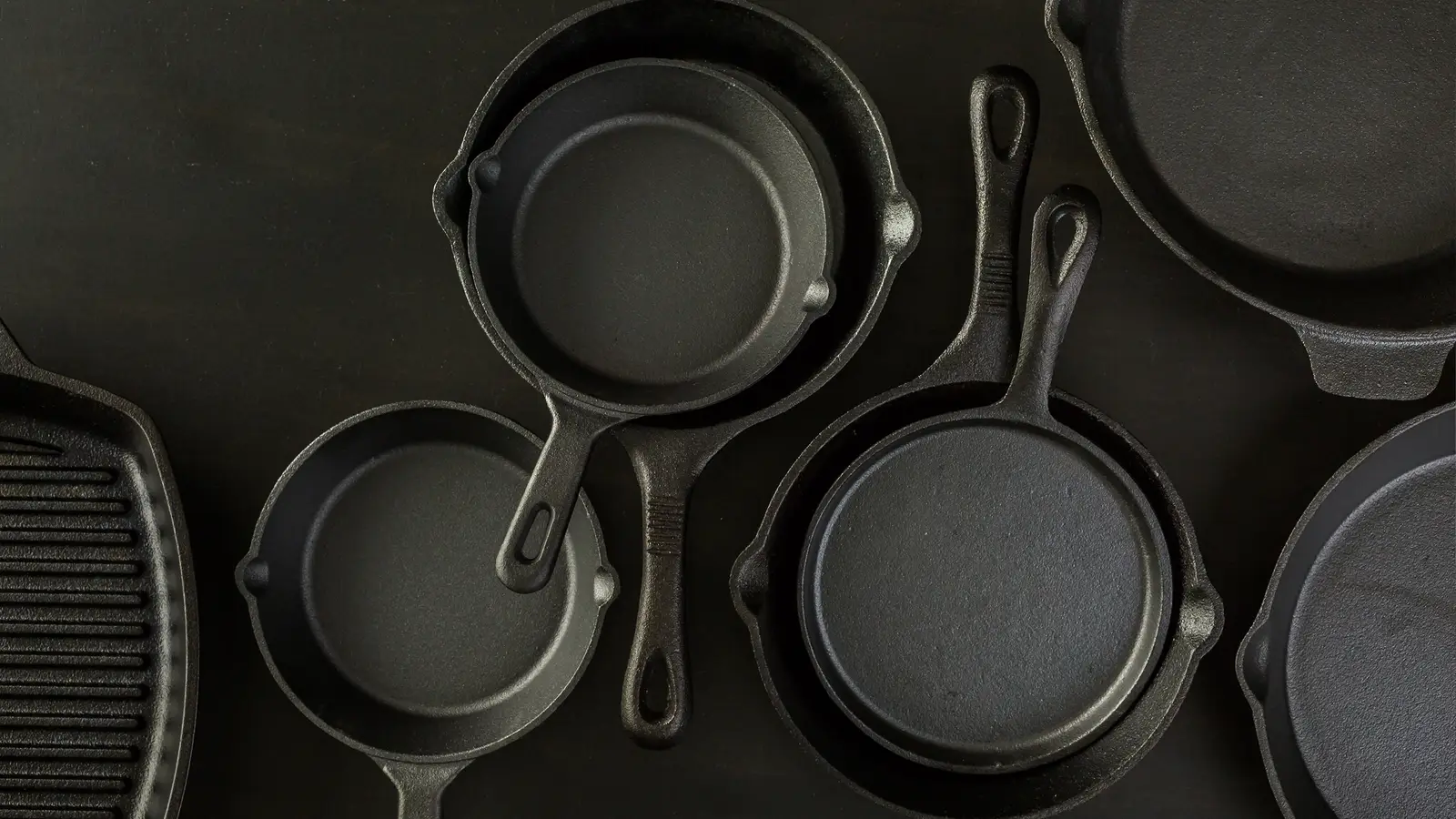
Cast iron
Highly ferromagnetic, excellent magnetic coupling. Even older cast iron pans work reliably. Very forgiving of slight positional offset.
Magnetic stainless steel
The standard material for purpose-made induction cookware. Strong load signal, responsive, and compatible with any zone size above the minimum threshold.
Carbon steel
Used in woks, crepe pans, and some frying pans. Ferromagnetic and effective on induction. May take a cycle or two to reach cooking temperature from cold due to its thinness.
Non-stick with induction disc
Many non-stick pans have a bonded induction-compatible disc on the base. The magnet test confirms compatibility, but the disc must cover enough of the base to generate sufficient load for the zone.
Aluminium
Not ferromagnetic. No eddy currents are induced, no load is detected, no heat is generated. Does not work on induction unless it has an induction base layer bonded to it.
Copper and glass
Neither material responds to the electromagnetic field. A copper pan will not activate any induction zone regardless of size, brand, or how it is positioned.
Practical Implications for Everyday Cooking
What this means in the kitchen
For a deeper look at how flex zone detection works across multiple coils, the guide to how flex zone induction hobs work explains the coil matrix and bridging in detail. Browse CATA’s full induction hob range to compare standard zone and flex zone models.
Common questions answered
Why does my pan work on one zone but not another?
Each zone has a minimum magnetic load threshold matched to its coil size. A smaller zone has a lower threshold, which is why a small pan may activate it but not a larger zone. Move the pan to a zone whose diameter is closer to the pan base diameter for reliable activation.
Why does my hob show an error when I put a pan down?
An error at the point of placing a pan almost always means the magnetic load fell below the zone’s minimum threshold. Check the pan base with a magnet. If the magnet clings firmly, the pan is compatible but possibly too small for that zone or has a warped base reducing contact area.
Can I use a small pan on any zone?
Only if the pan generates enough magnetic load for that zone’s threshold. Most hobs have two or more zones with different minimum pan sizes. Smaller zones have lower thresholds and are more tolerant of smaller pans. Check your hob manual for the minimum pan diameter specified per zone.
Does the hob heat less efficiently with a small pan?
Not if the pan activates the zone correctly. Once the zone is active, the coil generates its full field and the pan heats at the rate its base can absorb. The efficiency difference between a small and large pan comes from how much of the field the base intercepts — a smaller base absorbs a smaller proportion of the available field, so some energy is effectively unused.
Explore More Kitchen Advice & Buying Guides
Browse our latest articles covering appliance tips, energy-saving advice, and expert guidance – designed to help you choose, use, and get the most from your kitchen appliances.