How to Use the Bottom Heat Oven Setting for Crisp Pastry
A soggy pastry base is one of the most common baking frustrations, and most modern ovens have a setting designed to fix it. The bottom heat function sends heat up from the floor of the oven, drying and crisping the underside of your bake. Used well, it is the difference between a pale, damp base and a firm, golden one.
The symbol to look for: a square with a single horizontal line along the bottom. That line represents the lower heating element working on its own, with no top element and no fan, so heat rises gently from the base of the cavity.
What the bottom heat setting does
On bottom heat, only the lower element is active. Heat radiates upward from the floor of the oven without browning the top of your food, which makes it a targeted tool rather than an all-purpose cooking mode. It concentrates energy exactly where a soggy base forms, setting and crisping the pastry before moisture from the filling can soak in.
Because it does not colour the top, bottom heat is usually used in one of two ways: as a finishing stage to firm up a base near the end of cooking, or as part of blind baking a pastry case before the wet filling goes in. Our complete oven functions guide shows where it sits alongside the other settings on your control panel.
Specific foods that benefit from bottom heat
Anything with a pastry or dough base that sits under a wet or heavy filling is a strong candidate. Here are the dishes where the setting earns its place.
Quiche Lorraine
The egg and cream filling is very wet. Blind bake the case first, then finish on a low shelf with bottom heat so the base sets crisp instead of soaking.
Egg custard tarts and pastel de nata
A liquid custard needs a base that sets fast. A hot floor from bottom heat firms the pastry before the filling can seep in.
Apple and fruit pies
The bottom crust sits under juicy fruit. Start on a preheated tray with bottom heat to set the base, and tent the top with foil if it colours too quickly.
Treacle tart and Bakewell
Sticky, sugary fillings can leave a base damp and pale. Bottom heat keeps it firm and golden underneath.
Thin crust pizza
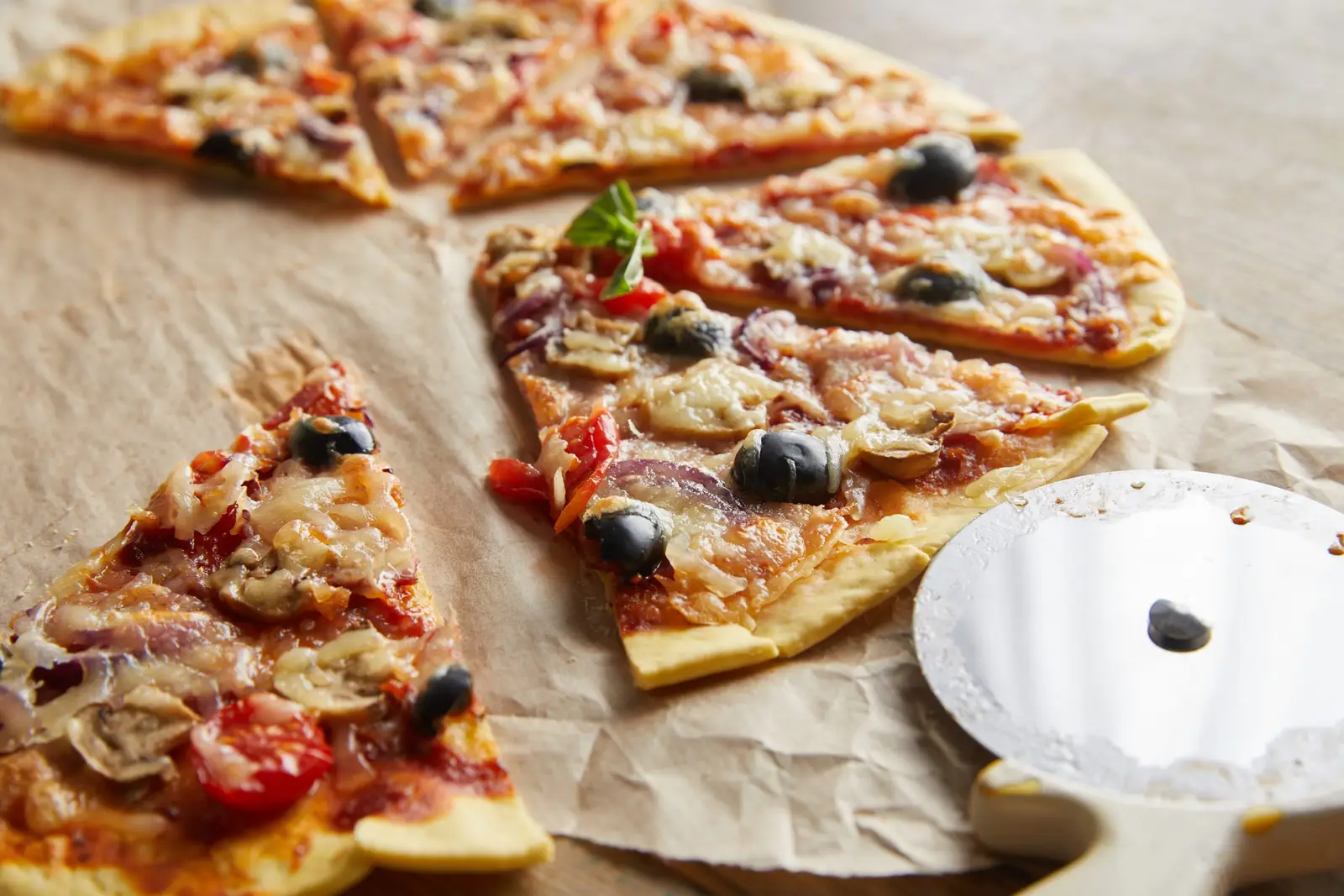
Pair bottom heat with a preheated stone or steel at 220 to 250 degrees for a crisp, well coloured base rather than a bready one.
Pork pies and raised pies
The dense hot water crust base needs proper heat to cook through. Bottom heat stops it staying doughy at the centre.
Tart and flan cases
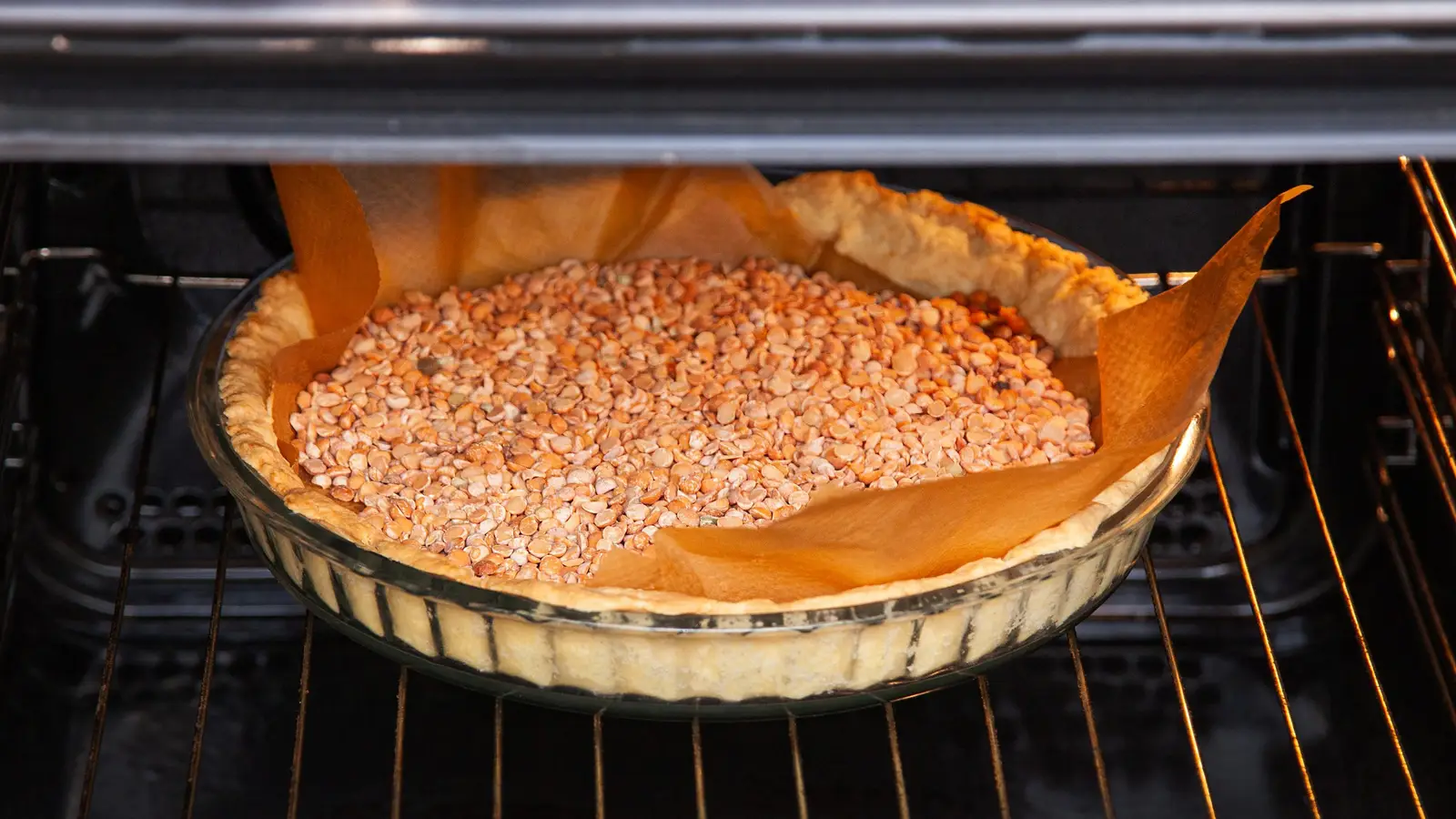
The classic use. Line with parchment and baking beans, bake on a low shelf, then dry the base on bottom heat until it looks matte and set.
Sausage rolls and pasties
A short spell on bottom heat at the end crisps the underside that sits flat against the tray.
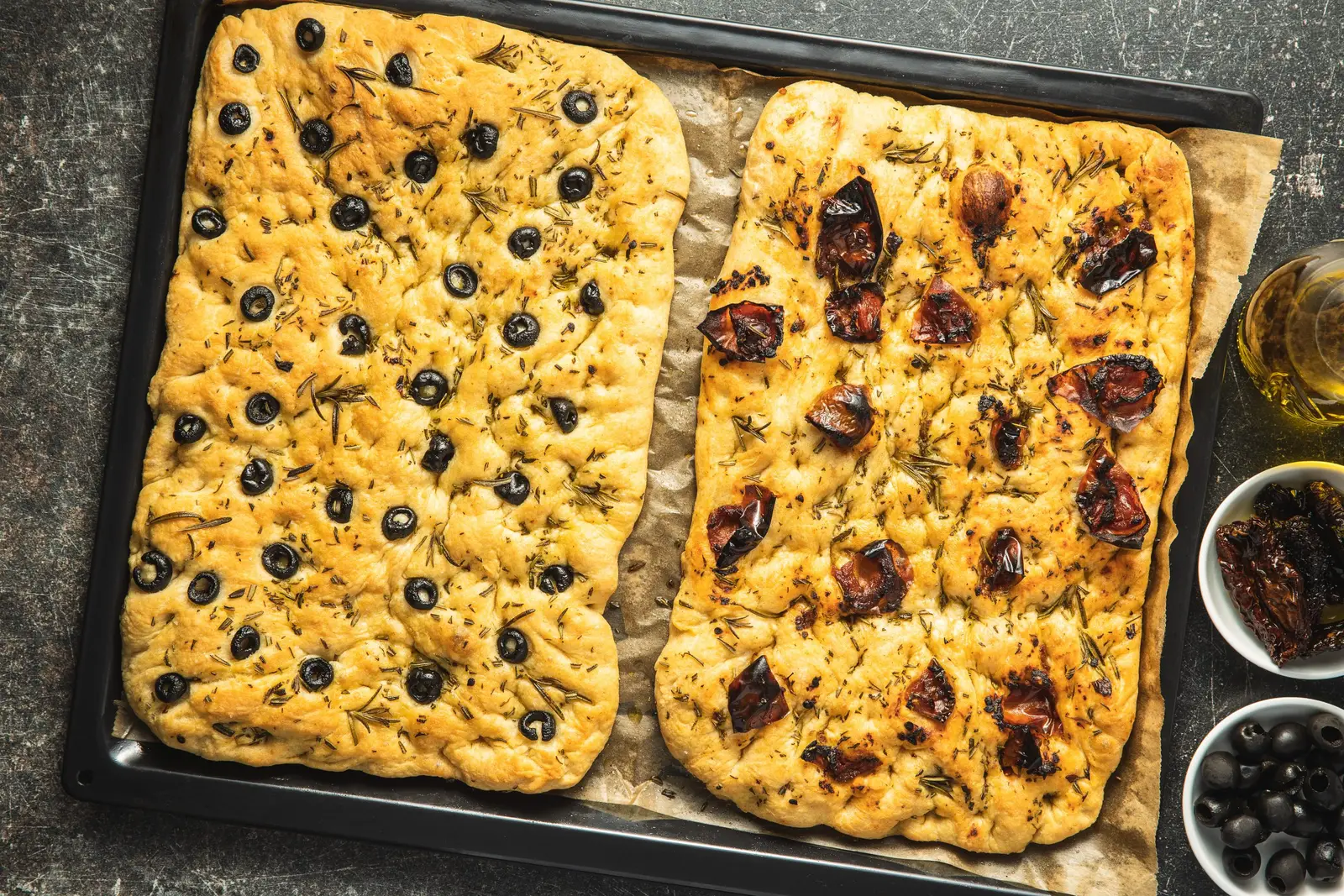
Focaccia and flatbreads
Bottom heat gives these a crisp, golden underside to match the soft, airy top.
How to use bottom heat step by step
- Preheat fullyThe base element needs time to get properly hot. Loading food before the oven has stabilised wastes most of the crisping effect.
- Use the lowest shelfPlace the dish as close to the floor of the oven as possible so it gets maximum contact with the rising base heat.
- Add a preheated tray or stoneA heavy metal tray or baking stone heated in advance gives the base an extra burst of heat the moment the dish lands on it.
- Blind bake wet fillingsFor quiches and custard tarts, line the case with parchment and baking beans, bake until the edges are set, remove the beans, then dry the base on bottom heat.
- Seal the base if neededA thin brush of beaten egg white, melted chocolate or warmed jam over a blind baked case sets into a barrier that keeps wet fillings from soaking in.
- Switch settings to finish the topBottom heat will not brown the top, so once the base is crisp, move to a conventional or fan setting to colour and cook the rest of the dish.
Bottom heat with or without the fan
Many ovens offer a second related setting that combines the base element with the fan, often labelled as a pizza function. Plain bottom heat is the gentler, more precise option for blind baking and for finishing a base without disturbing the top. Bottom heat with the fan moves that base warmth around the cavity, which suits pizza and pies where you want a crisp bottom and a cooked top at the same time.
If you are weighing up when to use the fan more generally, true fan versus fan assisted baking explains how circulated air changes your results, and our guide to oven settings for baking bread covers how base heat helps a crusty loaf.
Quick summary
- Bottom heat uses only the lower element, shown by a square with a single line at the base.
- It crisps and sets pastry bases, which makes it ideal for blind baking and beating a soggy bottom.
- Best for quiches, custard tarts, fruit pies, pizza, raised pies and tart cases.
- Preheat fully, use the lowest shelf, and add a preheated tray or stone for the crispest result.
- It does not brown the top, so switch to fan or conventional heat to finish the rest of the dish.
Frequently asked questions
A square outline with a single horizontal line along the bottom edge. That line represents the lower heating element working alone, with no top element or fan.
Not usually. It crisps the base but will not brown the top, so it works best as a blind baking or finishing setting. Switch to fan or conventional heat to cook the rest of the dish.
For very wet fillings such as quiche or custard tart, yes. Bottom heat helps a great deal, but blind baking with parchment and baking beans remains the most reliable barrier against a soggy base.
Bottom heat with a preheated stone or steel gives the crispest base. Bottom heat combined with the fan, sometimes called pizza mode, balances a crisp base with evenly cooked toppings.
The usual causes are a filling that is too wet, a base that did not get hot enough, or not enough baking time. A preheated tray, the lowest shelf and a spell on bottom heat at the end fix most cases.
For more on diagnosing and preventing a soggy pastry base, the cookery writer Nigella Lawson sets out the blind baking method and sealing tricks that pair well with the bottom heat setting.