Home » General Appliance Guides & Advice » Which kitchen appliances use the most electricity? (ranked)
Which Kitchen Appliances Use the Most Electricity? (Ranked)
Not all kitchen appliances are equal on your bill. A few quietly account for most of the electricity your kitchen uses, and they are not always the ones you would guess. Below is a ranking of the biggest users, an explanation of why they cost what they do, and a calculator so you can work out the running cost of your own appliances in seconds.
Why some appliances cost so much more
Two things drive an appliance up the rankings, and almost every big user falls into one or both groups.
It makes heat
Heating is the most energy hungry thing a kitchen does. Ovens, tumble dryers, kettles, hobs, and the water heating inside dishwashers and washing machines all draw heavily because turning electricity into heat takes a lot of power.
It never switches off
Fridges and freezers use modest power, but they run every hour of every day. That constant draw quietly adds up to one of the largest shares of the whole bill.
Put simply, running cost is power multiplied by time. A high power appliance used briefly can cost less than a low power one left on for hours. That is why the ranking below is based on typical yearly running cost rather than headline wattage alone.
The ranking: biggest electricity users
These are typical figures for a household that uses each appliance regularly, costed at about 25p per kWh, roughly the current price cap rate. Your own totals will vary with how often you cook, wash and dry, which is exactly what the calculator below is for.
| Rank | Appliance | Typical power | Approx yearly cost |
|---|---|---|---|
| 1 | Tumble dryer, vented or condenser | 2.5 kW | About £135 |
| 2 | Electric oven | 2.1 kW | About £85 |
| 3 | Dishwasher | 1.3 kW | About £72 |
| 4 | Fridge freezer, always on | Runs 24 hours | About £72 |
| 5 | Electric hob | 2 kW per ring | About £52 |
| 6 | Separate freezer, always on | Runs 24 hours | About £45 |
| 7 | Washing machine | 2.1 kW | About £42 |
| 8 | Kettle | 3 kW | About £40 |
| 9 | Air fryer | 1.5 kW | About £33 |
| 10 | Microwave | 1 kW | About £15 |
Appliance running cost calculator
Pick an appliance to load typical figures, then adjust the power, the average minutes per use, how often you use it, and your own unit price. The yearly cost updates as you type.
Work out your running cost
Enter power in watts, as shown on the appliance label or rating plate. Defaults are typical UK figures at about 25p per kWh. For dishwashers and washing machines the figure used is the average power while running, which is lower than the peak rating on the label, because they only draw full power while heating the water. Fridges and freezers run constantly rather than in separate uses, so they appear in the ranking above instead of here.
The big hitters in detail
Tumble dryer
The tumble dryer tops most kitchens that own one. It ticks both boxes that drive cost: it makes a lot of heat and it runs for a long time, often an hour or more per load. A typical vented or condenser model gets through around 5 kWh in a single full cycle, so two loads a week alone can cost well over a hundred pounds a year. Drying outdoors or on an airer when you can is the simplest saving, and a heat pump model roughly halves the running cost if you dry indoors regularly.
Electric oven
An oven draws around 2 kW and stays on long enough to add up, though the thermostat cycling on and off means it does not pull full power the whole time. Cost depends almost entirely on how often you cook from scratch. Batch cooking, skipping long preheats and using residual heat at the end all help. For smaller portions, an air fryer or microwave is far cheaper, which we cover in real world running costs of an oven, air fryer and microwave.
Fridge freezer
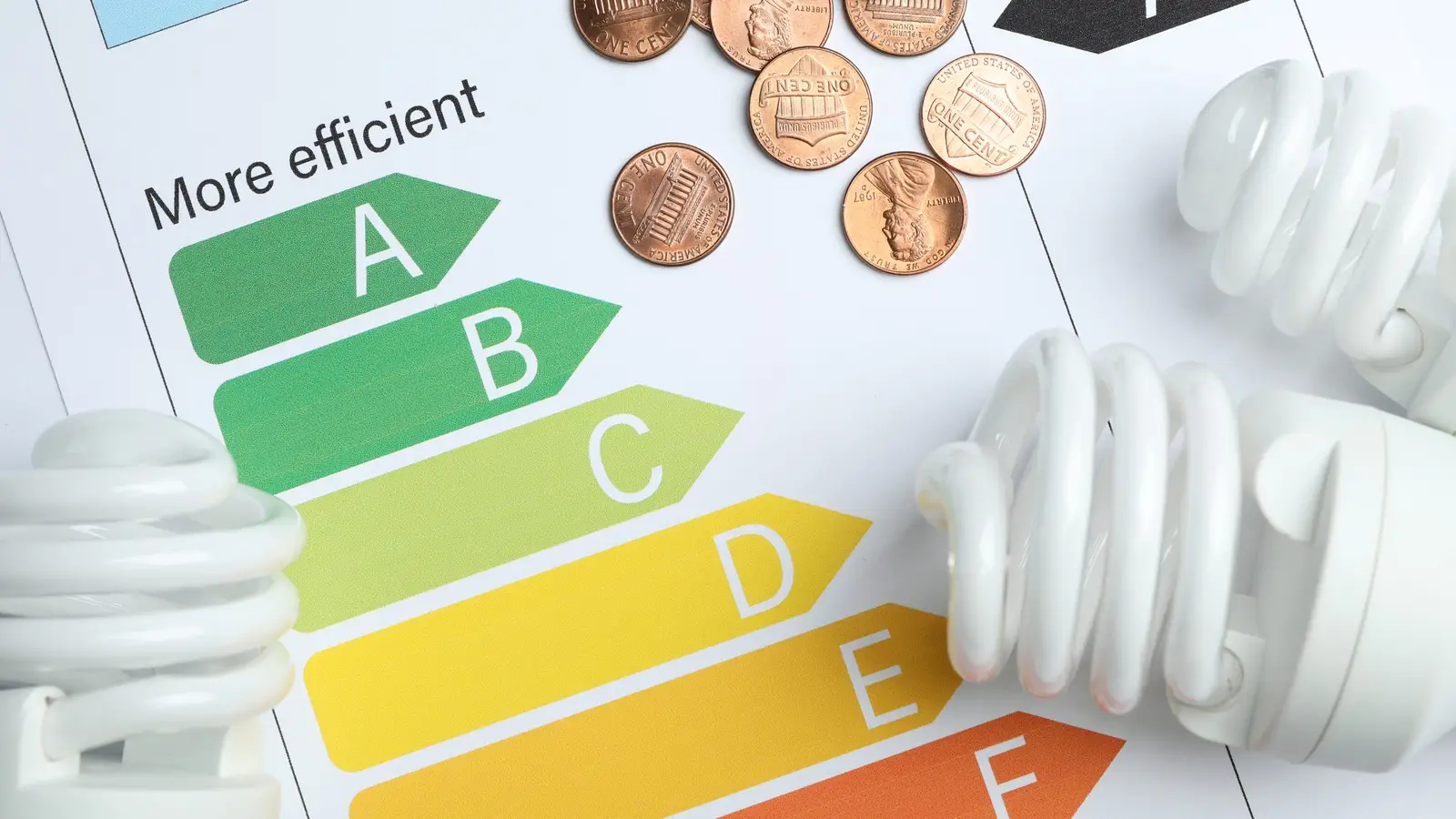
No single fridge freezer uses much power at any one moment, but because it runs every hour of every day it works out at around 13 percent of a typical electricity bill. That makes the energy rating the thing that matters most when buying, since an efficient model can use a fraction of the electricity of an old one. Keeping it at the right temperature, the door closed, and the coils clean all help, but you should never switch it off to save energy.
Dishwasher
Most of a dishwasher’s energy goes on heating the water, not running the pump. That is why the eco setting, which uses cooler water over a longer cycle, is usually the cheapest way to run it, and why waiting for a full load beats two half loads. A standard machine costs in the region of seventy five pounds a year.
Kettle and hob
A kettle is a 3 kW appliance, the most powerful thing in many kitchens, but each boil is short. The cost lives in how often you boil and how much water you heat, so filling it only as much as you need is the easy win. The hob is similar, varying enormously with what and how often you cook. Using the right pan size and a lid to keep heat in makes a real difference.
How to cut the cost
A few habits target the appliances that matter most:
- Dry clothes outdoors or on an airer whenever you can, and choose a heat pump dryer if you buy.
- Run dishwashers and washing machines on eco settings and only with full loads.
- Boil only the water you need, and wash clothes at 30 degrees where you can.
- Choose the highest energy rating you can when replacing big or always on appliances.
- Switch small appliances off at the wall to stop standby waste building up.
For more on each of these, see our guides to saving money on appliance running costs, cutting energy use with your washing machine, and why it pays to switch appliances off at the wall.
Quick summary
- The biggest users either make heat or run constantly. Often both apply.
- For homes with one, the tumble dryer is usually the single most expensive appliance to run.
- The oven and the always on fridge freezer are the next largest, the fridge freezer because it never switches off.
- Microwaves and air fryers are among the cheapest, especially for small portions.
- Use the calculator to cost your own appliances, then target the few that dominate your bill.
Frequently asked questions
For most homes that own one, it is the tumble dryer, because it combines high power with long, frequent cycles. Where there is no dryer, the electric oven and the always on fridge freezer top the list.
Individually their power draw is low, but because they run 24 hours a day they add up to around 13 percent of a typical electricity bill. The energy rating is what makes the biggest difference here.
For small portions, yes. Both heat a much smaller space than a full oven and finish faster, so they use far less electricity for everyday reheating and quick meals.
Work out the energy it uses, which is its power multiplied by how long it runs, then multiply by how often you use it and your unit price. The calculator above does this for you and gives weekly, monthly and yearly totals.
A little. Standby power can account for up to around 10 percent of a home’s electricity, so switching unused appliances off at the wall can save in the region of fifty pounds a year across a household.
Appliance energy shares and efficiency guidance follow the Energy Saving Trust, with unit costs based on the Ofgem price cap of about 25p per kWh. Your own rate may differ, so the calculator lets you set it.
Explore More Kitchen Advice & Buying Guides
Browse our latest articles covering appliance tips, energy-saving advice, and expert guidance – designed to help you choose, use, and get the most from your kitchen appliances.