Wine in a Standard Fridge: Temperature Swings and Cork Health
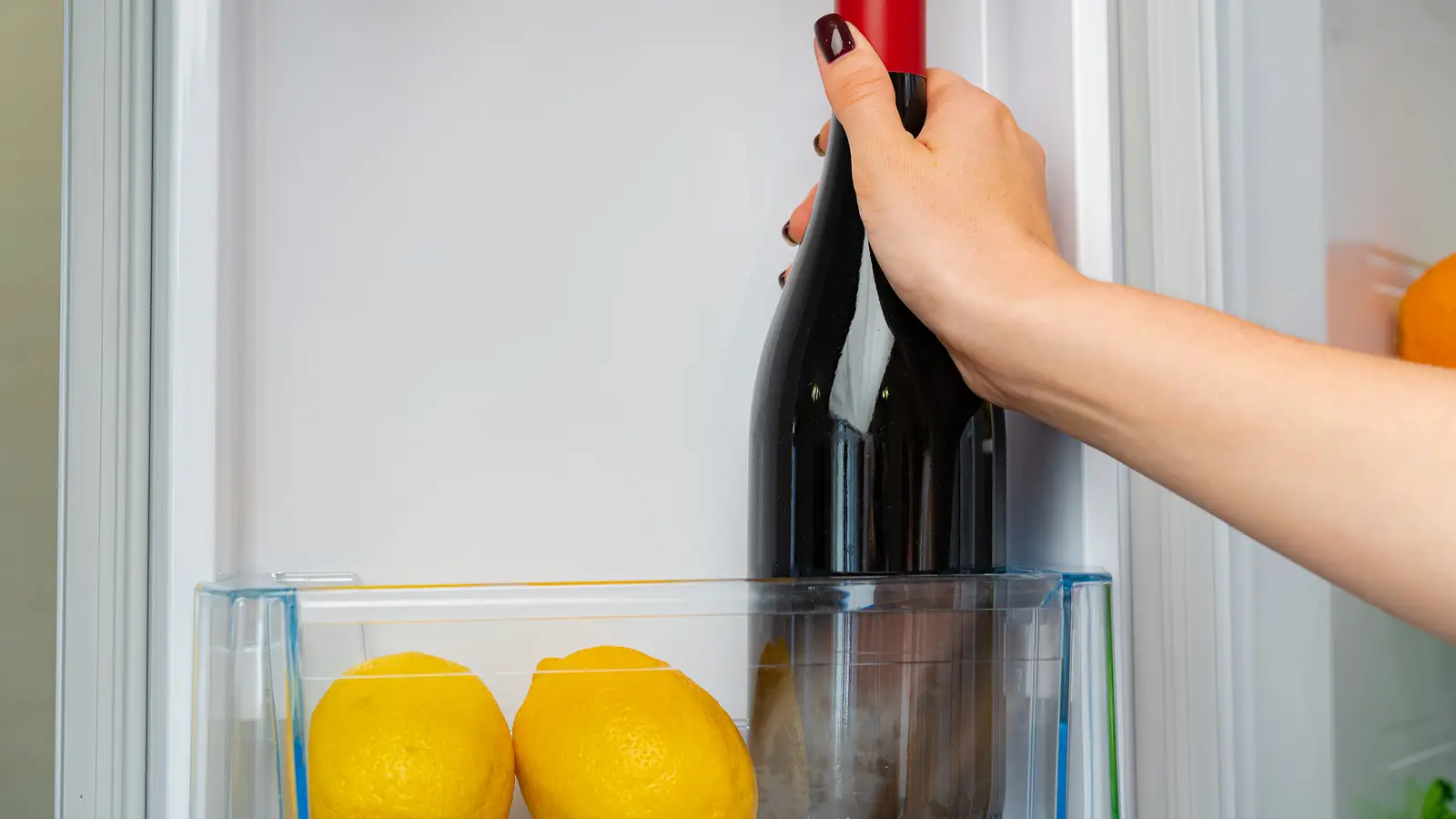
Storing wine in a standard fridge is convenient, but domestic refrigerators are not designed for long-term bottle preservation. Fluctuating temperatures, very dry air and over-chilling all influence the flavour, aroma and structural stability of the wine.
Why Standard Fridges Are Not Ideal for Wine
Kitchen fridges operate at around 2 to 5°C. This is far colder than the recommended wine storage range of 10 to 14°C. Standard fridges also run cooling cycles, which means the temperature is constantly rising and falling throughout the day.
How Temperature Movement Affects Wine
- The liquid inside the bottle expands and contracts with every temperature change.
- This movement places pressure on the cork and can weaken its seal.
- A weakened seal allows small amounts of oxygen into the bottle.
- Oxygen exposure results in muted flavours and premature ageing.
Very Cold Storage Causes Its Own Problems
Even if the temperature does not swing dramatically, the fridge is still too cold. Wine stored at low temperatures can taste closed or flat, even after opening. Over longer periods the wine’s complexity and balance diminish.
Why the Cork Dries Out
Domestic fridges deliberately remove moisture to prevent frost. This low humidity environment slowly dries natural corks, which leads to:
- reduced elasticity
- looser seals around the neck
- leaking and seepage
- greater oxygen exposure and spoilage
Short-Term Versus Long-Term Storage
Better Ways to Store Wine
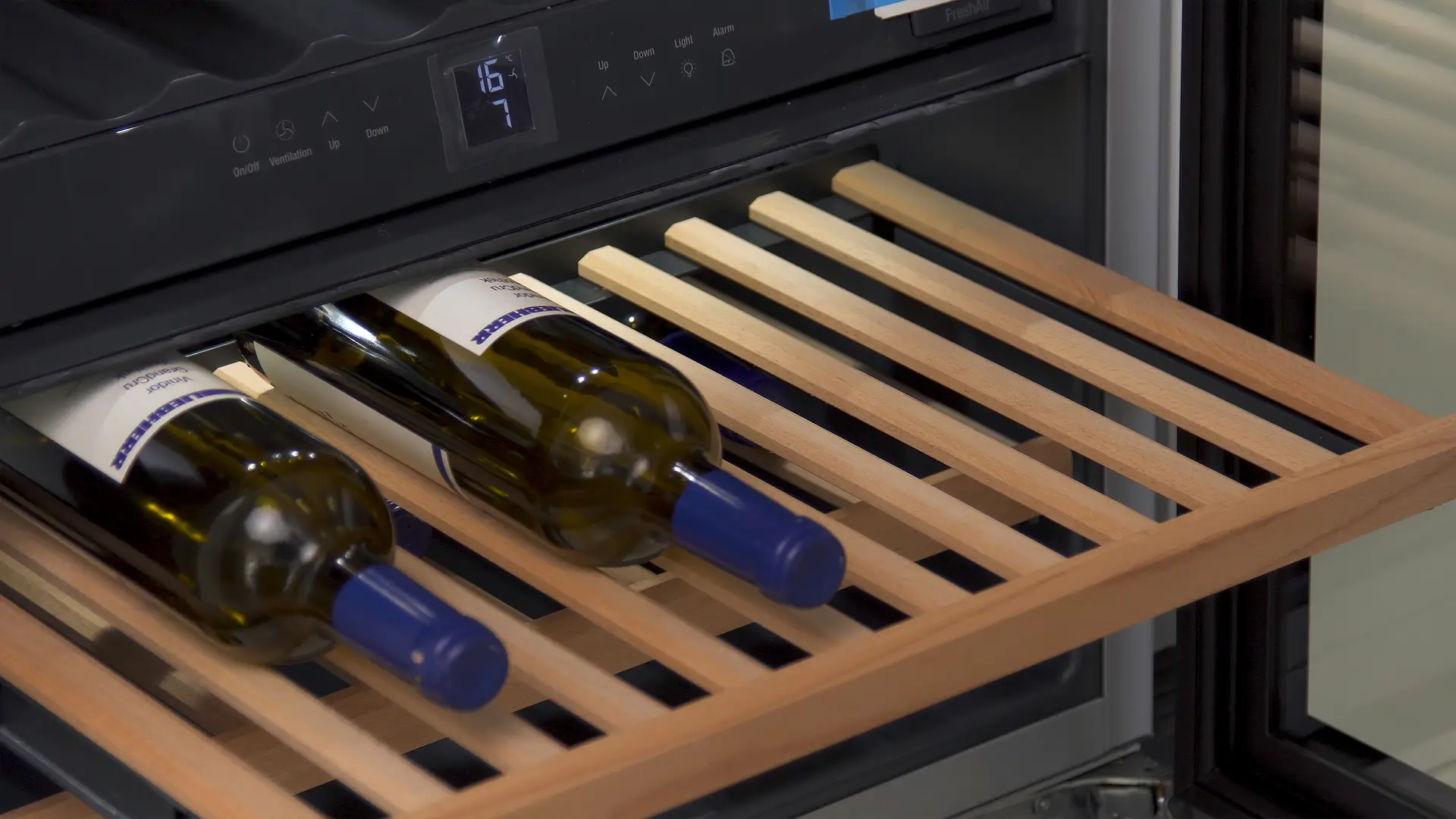
A dedicated wine cooler offers stable temperatures and consistent humidity, giving the wine the environment it needs to maintain quality and character over time.
Explore the collection at CATA Wine Coolers.
- All Posts
- Cooker Hood Guides & Advice
- Dishwasher Guides & Advice
- General Appliance Guides & Advice
- Hob Guides & Advice
- Laundry Guides & Advice
- Microwave Guides & Advice
- Oven Guides & Advice
- Wine Cooler Guides & Advice
Find out whether your gas hob needs a Flame Failure Device (FFD) or Flame Supervision Device (FSD) and why they’re...

In this guide, we’ll explain whether outdoor extraction is necessary, what your options are if it isn’t possible, and how...

Discover if vented induction hobs are the future of kitchen ventilation. Explore benefits, trends, and expert insights - find out...

Wondering how a microwave grill works? Discover how it combines heating and grilling to cook food fast with a crisp...

Discover the ideal humidity for wine storage and how to maintain it. Keep your bottles in perfect condition with the...

Home / Appliance Guides & Advice Do Cooker Hoods Use Much Electricity? Cooker hoods don’t use a lot of electricity compared...

Discover pyrolytic, catalytic and steam self‑cleaning ovens: how they work, safety and fumes, energy use, pros & cons, and maintenance...

Discover simple tips to stop your washing machine smelling musty. Keep it clean, fresh, and efficient — follow our quick...

Learn how to maximise oven space with smart baking tips. Cook multiple dishes at once efficiently and evenly. Read our...