What Containers Are Safe to Use in a Microwave?
Choosing the right container for your microwave matters — the wrong one can warp, melt, or even release harmful chemicals. Here’s a simple guide to help you stay safe and make your cooking easier.
Safe Containers for Microwave Use
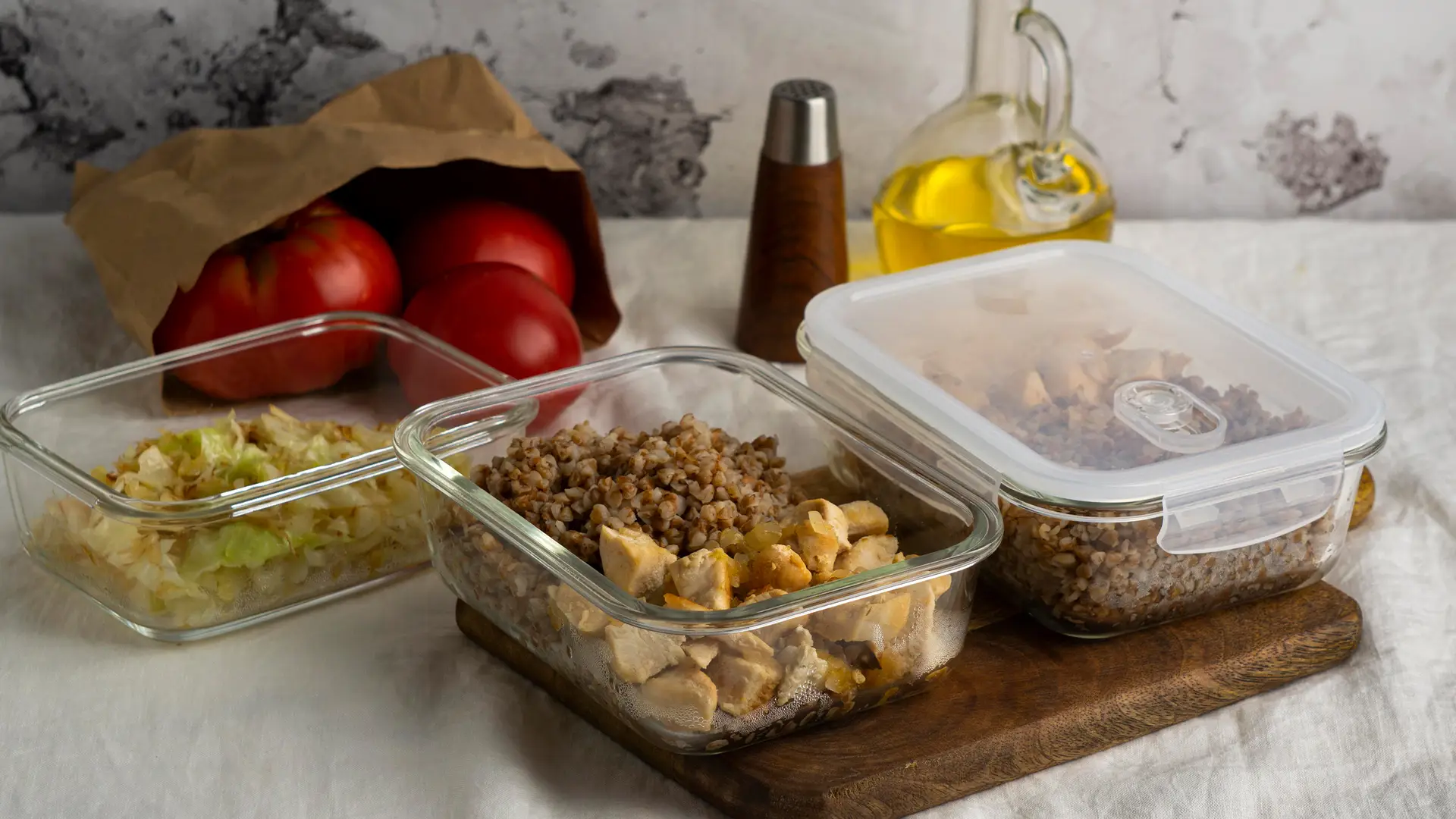
- Glass dishes – Heat-resistant glass is one of the safest materials for microwaving food. Ideal for reheating and cooking evenly.
- Ceramic bowls – Unglazed or microwave-safe ceramics work well, but avoid those with metallic trims or decorations.
- Microwave-safe plastic – Only use plastics clearly labelled as microwave-safe. These are designed to withstand heat without melting or leaching chemicals.
- Silicone containers – Perfect for steaming or reheating. They’re flexible, non-toxic, and handle temperature changes well.
Containers to Avoid
- Metal containers – Metal reflects microwaves, causing sparks and potential damage to your appliance.
- Aluminium foil – Can cause arcing or fires unless used in very small amounts and under supervision.
- Takeaway containers – Many single-use plastics aren’t designed for reheating and can warp or release chemicals.
- Plastic tubs without a label – If it doesn’t say microwave-safe, don’t risk it.
Quick Tip
Before using any container in the microwave, check the base or packaging for a microwave-safe symbol — usually a box with wavy lines inside it.
Why Safety Matters
Microwaving the wrong materials can cause fires, release toxins, or damage your appliance. Always choose containers designed for heat exposure to protect both your health and your microwave’s lifespan.
CATA’s Commitment to Kitchen Safety
At CATA, we design our kitchen appliances with safety and convenience in mind. From microwaves to induction hobs, every product is built to meet the highest safety standards for modern homes.
- All Posts
- Cooker Hood Guides & Advice
- Dishwasher Guides & Advice
- General Appliance Guides & Advice
- Hob Guides & Advice
- Laundry Guides & Advice
- Microwave Guides & Advice
- Oven Guides & Advice
- Wine Cooler Guides & Advice
Discover the ideal temperatures for red, white, rosé & sparkling wines. Serve perfectly every time – read our quick guide...

Discover how self-cleaning ovens work, their pros and cons, and if they’re worth the cost. Learn about pyrolytic, catalytic, and...

Discover how energy-efficient modern wine coolers are, compare running costs, and learn tips to reduce energy use. Keep your wine...

Find out which hob type is the cheapest to run. Compare gas, induction and electric to save on your energy...

Cooker hood carbon filters explained: what they do, when you need one, how to choose the right size, and how...

Discover why airtight UK homes may need make-up air for safe, effective ventilation. Learn the signs and simple fixes. Read...

Cut your kitchen energy bills with these easy tips for running appliances efficiently. Learn how to save power, water, and...

Wondering how a microwave grill works? Discover how it combines heating and grilling to cook food fast with a crisp...

Discover the best spots to install your wine cooler for convenience and style. Read CATA’s quick guide and find your...